What Is Quiet Luxury Interior Design and Why Does It Matter?

While vibrant Barbiecore and eclectic maximalism capture headlines, a quieter revolution is reshaping homes, prioritizing the inherent value of materials over overt display.

SD
Sebastian Duval

April 17, 2026 · 4 min read

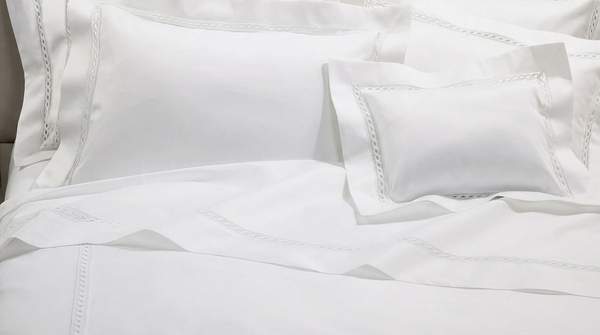
A serene and minimalist living room showcasing natural materials, soft lighting, and understated opulence, embodying quiet luxury interior design.

While vibrant Barbiecore and eclectic maximalism capture headlines, a quieter revolution is reshaping homes, prioritizing the inherent value of materials over overt display. A profound re-evaluation of personal space marks this shift, moving away from transient trends towards lasting integrity. Homeowners increasingly seek environments that offer calm and genuine substance, focusing on the core quiet luxury interior design principles for elegant homes.

The rising popularity of quiet luxury shows a shift towards subtle refinement, contrasting with interior design trends that often lean towards bold, expressive statements.

As consumers increasingly seek longevity and authenticity, quiet luxury is poised to become a foundational aesthetic, influencing design choices far beyond its current trend status.

Embracing Understated Elegance in Design

The contrast between the understated aesthetics of quiet luxury and the more overt displays of wealth has become particularly stark. A deeper desire for substance over spectacle is revealed by this subtle shift. Discerning homeowners pivot towards designs that speak through quality, not flash. The emerging preference for intrinsic value suggests a maturing consumer base, one that values enduring style over fleeting fads.

The Understated Allure of Quiet Luxury

Quiet luxury embraces understated and refined aesthetics, directly contrasting with louder trends such as Barbiecore and maximalism, according to Luxesource. Despite this counter-trend stance, quiet luxury is simultaneously a trending interior design look, as identified by HGTV. A nuanced consumer landscape is revealed by this duality: a widespread yearning for subtlety, even as the aesthetic gains mainstream traction. A broader fatigue with performative consumption is reflected by this duality.

The style prioritizes elevated materials and quality, allowing the material's inherent value to define a room rather than a specific stylistic choice, as observed by Housebeautiful. Moving beyond transient styles, this approach establishes a more enduring and sophisticated decor. The integrity of natural elements becomes the focal point. Consumers increasingly seek intrinsic value and longevity in their homes, challenging the interior design industry's reliance on disposable, trend-driven decor.

Beyond Trends: The Principles of Enduring Elegance

The true power of quiet luxury lies in its meticulous attention to detail and the inherent beauty of natural, high-quality elements. Craftsmanship is emphasized by this aesthetic, using materials like cashmere, silk, and natural wood to create tactile and visually rich environments. Finishes are typically matte or subtly polished, avoiding high-gloss surfaces that can appear ostentatious.

Design principles often include clean lines, thoughtful spatial arrangements, and a focus on functionality that complements sophisticated aesthetics. The intent is to craft spaces that exude comfort and timelessness, where every piece serves a purpose and contributes to an overall sense of calm. Each element, from furniture to textiles, upholds a standard of lasting quality and understated elegance, resisting the rapid obsolescence of fast-fashion decor, ensured by this methodical selection process.

Why Less is More: The Psychology Behind the Trend

In a world saturated with visual noise, quiet luxury offers a sanctuary of calm and authenticity, appealing to a desire for peace and genuine value. Those seeking refuge from digital stimulation and conspicuous consumption resonate with this design philosophy. It is a subtle rebellion against overt wealth, favoring a personal, experienced luxury.

The appeal stems from a psychological shift towards mindful living, where homeowners prioritize well-being and a sense of permanence in their surroundings. Such environments are not merely aesthetically pleasing; they promote mental tranquility and a deeper connection to one's space. Intrinsic worth, prioritized over external validation, offers a comforting stability increasingly desired in contemporary society.

Investing in Timelessness: The Long-Term Value Proposition

Embracing quiet luxury is an investment in enduring aesthetic and functional value. It resists the obsolescence of fleeting fads. High-quality materials and classic designs reduce the need for frequent renovations, yielding long-term cost savings. A growing consumer preference for sustainability and thoughtful consumption is aligned with this.

Properties designed with quiet luxury principles often command higher resale values due to their timeless appeal and superior material integrity. Unlike homes styled with transient trends, these spaces retain sophistication and desirability. Quiet luxury is a prudent choice, creating a beautiful home and a sound financial asset, reflecting a commitment to lasting quality.

Your Questions Answered: Demystifying Quiet Luxury

What are the key elements of quiet luxury design?

Key elements of quiet luxury design include a muted color palette, an emphasis on natural light, and the strategic use of textures like wool, linen, and unlacquered brass. These components work together to create a subtle richness without relying on bold patterns or flashy ornamentation.

How to achieve a minimalist yet luxurious home aesthetic?

To achieve a minimalist yet luxurious home aesthetic, focus on decluttering to ensure every item has purpose and beauty. Invest in a few high-quality, handcrafted pieces of furniture rather than many average ones, and ensure ample storage to maintain clean sightlines.

What colors are associated with quiet luxury interiors?

Quiet luxury interiors typically feature a serene palette of neutral colors, including creamy whites, warm grays, muted beiges, and soft earth tones. These colors provide a calming backdrop that allows the textures and forms of high-quality materials to stand out.

The Future of Refined Living

Quiet luxury marks a return to foundational design values, emphasizing intrinsic worth and durability over overt display. This enduring appeal suggests that designers like Kelly Wearstler will likely integrate more of these understated principles, solidifying quiet luxury as a cornerstone of sophisticated residential design. The focus will remain on crafting environments that offer lasting comfort and inherent beauty, transcending fleeting stylistic statements.