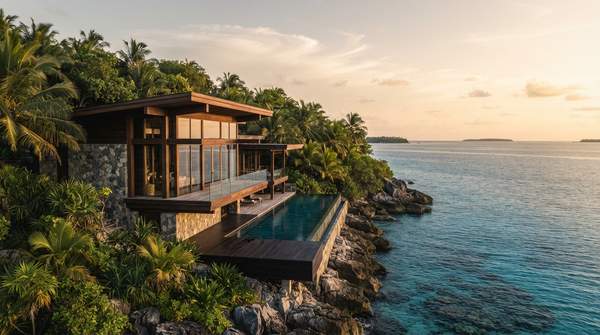
A recent analysis revealed that a 15,000-square-foot 'net-zero' luxury residence in Aspen, despite its solar panels and geothermal heating, had an embodied carbon footprint equivalent to 70 average-sized homes. This staggering figure, attributed to imported exotic materials and extensive site work, was reported by the GreenBuild Institute in 2023. Such vast consumption of resources undermines the perception of minimal environmental impact often associated with "net-zero" labels, particularly when discussing sustainable luxury home design trends 2026.
Consumers are increasingly willing to pay a premium for sustainable luxury homes. Yet, the sheer scale and material demands of these properties often result in a larger overall carbon footprint than standard construction. This tension reveals a fundamental disconnect between market aspirations and actual environmental outcomes in high-end residential development.
The 'sustainable luxury' market, while growing rapidly, risks becoming a performative display of wealth. It diverts attention and resources from truly impactful, scalable environmental solutions, unless fundamental changes in design and consumption are embraced.
The Green Premium: A Booming Market
- 12.5% — The global sustainable luxury real estate market is projected to grow at a compound annual growth rate, reaching $500 billion, according to Luxury Market Insights (2023).
- 15-20% — High-net-worth individuals are willing to pay a premium for homes featuring certified green elements, reports the Knight Frank Wealth Report (2024).
- 45% — Searches for "eco-luxury homes" increased year-over-year on prominent real estate platforms, as observed by Zillow Trends (2023).
A robust market demand is confirmed by these figures, reflecting a significant shift in affluent consumer values toward perceived environmental responsibility and personal wellness. A powerful economic force within the luxury sector is underscored by the willingness to invest substantial capital in these properties. This trend suggests that for many, sustainability has become an integral component of modern opulence, rather than a mere afterthought.
Beyond the Label: Unpacking True Impact
| Metric | Luxury Home Impact | Standard Home Comparison |
|---|---|---|
| Energy Consumption (over 10,000 sq ft) | 3-5 times higher | Compared to a standard 2,000 sq ft home, according to Environmental Building Journal (2022) |
| Material Sourcing Emissions | Increased due to complex global supply chains | For rare, "sustainable" materials, per Supply Chain Sustainability Report (2023) |
| Daily Water Consumption | 4-6 times higher | Compared to average households, due to landscaping and multiple bathrooms, states Urban Water Institute (2023) |
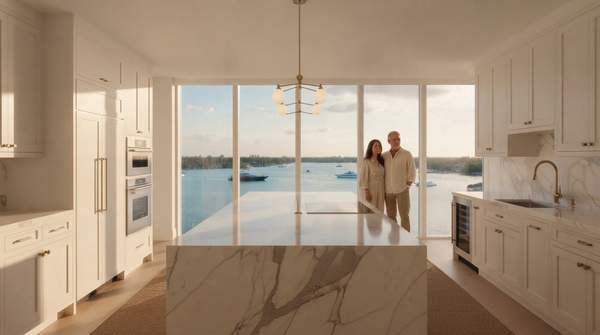
Despite advanced green technologies, the sheer scale and material intensity of luxury homes often negate their purported environmental benefits. A gap between certification claims and actual environmental impact is exposed, particularly concerning embodied carbon. The pursuit of grandeur, even with green features, often overshadows genuine ecological responsibility, creating a paradox at the heart of sustainable luxury.
The Drivers: Status, Wellness, and Marketing
A recent survey indicated that 70% of affluent buyers perceive sustainable features as a significant status symbol, reflecting their values and social responsibility, according to the Luxury Lifestyle Survey (2024). A strong psychological driver for adopting eco-friendly designs in luxury residences is confirmed by this figure, positioning environmental consciousness as a marker of elite status.
Architects report increased client demand for biophilic design elements and wellness features, often marketed as "sustainable" due to their connection to nature and health benefits, reports the AIA Trends Report (2023). These design choices cater to a desire for personal well-being, aligning self-care with perceived ecological virtue.
Developers actively leverage green certifications, such as LEED Platinum, as a primary marketing tool. This strategy allows them to command higher prices and attract environmentally conscious buyers, as detailed in the Real Estate Developer Quarterly (2023). The convergence of social status, personal well-being aspirations, and sophisticated marketing creates a powerful incentive for the affluent to invest in this high-end segment, often prioritizing perception over verifiable impact.
Ripple Effects: Who Benefits, Who Bears the Cost?
The surge in demand for "sustainable" luxury properties in desirable areas has contributed to a 30% increase in land values over the past five years, making homeownership less accessible for middle-income families, according to the Housing Policy Institute (2023). This trend exacerbates existing housing affordability challenges, transforming environmental aspirations into a driver of social stratification.
Local communities situated near new luxury developments often face increased strain on existing water and energy infrastructure, even when individual homes claim "net-zero" status, as noted by the Municipal Planning Review (2022). The cumulative impact of multiple large properties can overwhelm local resources, exposing the limitations of individual "net-zero" claims against collective consumption.
Critics contend that the intense focus on high-end "green" solutions diverts innovation and investment from more scalable, affordable sustainable housing options for the broader population, states the Environmental Justice Alliance (2024). This trend, while benefiting a select few, inadvertently creates social inequities and diverts resources from more broadly impactful sustainability initiatives, raising critical questions about equity and genuine environmental progress.
Towards Genuine Sustainability: The Path Forward
The luxury sector must fundamentally re-evaluate its approach to environmental claims, moving beyond performative gestures to embrace verifiable, holistic sustainability. This demands a departure from current practices that prioritize perceived greenness over actual environmental responsibility.
- Emerging trends include "regenerative design," which aims for a positive environmental impact, focusing on local materials and ecosystem restoration rather than mere neutrality, according to the Future Architecture Forum (2024).
- Some luxury developers are now exploring modular construction and designing smaller, highly efficient footprints to genuinely reduce environmental impact without sacrificing quality, reports the Prefabricated Luxury Homes Report (2023).
- There is a growing call for more rigorous, transparent lifecycle assessments for all building materials and processes in luxury construction to effectively combat greenwashing, states the Global Green Building Council (2024).
These shifts represent the true path to sustainable luxury: a commitment to verifiable environmental performance, a re-evaluation of scale, and a definitive embrace of regenerative design principles. This trajectory, if adopted widely, could redefine luxury as a force for genuine ecological improvement.
If the luxury real estate sector truly embraces rigorous, transparent lifecycle assessments and a commitment to reduced scale, it appears likely to transition from performative sustainability to genuinely impactful environmental stewardship.