Luxury home buyers now view their residences as a 'portfolio of experiences,' demanding specific performance from every square foot. Once lauded for its modernism and flexibility, open-concept design faces a retreat, marking a profound shift. Clients actively move away from one undifferentiated open room, seeking curated environments over expansive backdrops. A re-evaluation of spatial utility will fragment luxury home design into highly specialized zones, ushering in a renaissance of bespoke architectural solutions.
The Retreat from Openness: Why Luxury Buyers Demand More
Open-concept design, once lauded for its flexibility and modernism, now faces outright rejection. The Los Angeles Times reports that buyers now expect specific performance from home spaces, viewing a residence as a 'portfolio of experiences' rather than a mere backdrop. Value no longer lies in expansive openness, but in curated, high-performing environments. Developers who persist with undifferentiated open layouts fundamentally misread the luxury market, risking obsolescence.
Open-Concept Floor Plans: Adapting for Specialized Zones
Best for: Social homeowners valuing connectivity within defined zones.
Open-concept floor plans dominated luxury real estate for two decades, per the Los Angeles Times. While many clients still desire openness, a single undifferentiated room is no longer acceptable. Modern luxury design now creates 'zones' within open layouts, notes txsparksluxuryhomes, balancing spaciousness with functional definition. The evolution acknowledges the need for both flow and specific utility.
Strengths: Promotes natural light; offers flexible, defined areas; maintains flow. | Limitations: Lacks acoustic privacy; heating/cooling inefficiencies; risks a 'warehouse' feel without thoughtful zoning. | Price: Moderate to High.
Contemporary Architecture: Innovation and Sustainability
Best for: Forward-thinking buyers prioritizing technology, efficiency, and unique aesthetics.
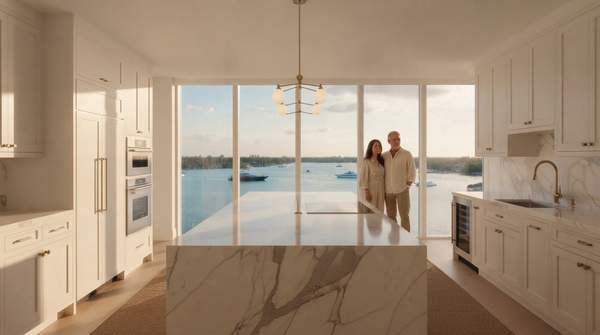
Contemporary Architecture employs innovative materials, geometric shapes, and sustainable principles, states Rogerperry. Demand for modernist designs integrating eco-friendly and smart technologies continues to grow. The style inherently aligns with the luxury market's desire for high-performing, purpose-built environments.
Strengths: Energy efficiency; smart home integration; distinctive, custom aesthetics; often incorporates natural light and views. | Limitations: Can be perceived as stark; requires specialized contractors; higher initial construction costs for advanced systems. | Price: High to Very High.
Mid-century Modern: Clean Lines and Integrated Spaces
Best for: Design enthusiasts appreciating minimalist aesthetics and indoor-outdoor living.
Mid-century Modern features clean lines, open floor plans, and extensive glass, per Rogerperry. Emphasizing simplicity and functionality, its inherent connection to nature appeals to luxury buyers seeking serene, integrated living. However, its traditional open layouts may require careful adaptation to meet contemporary demands for distinct zones.
Strengths: Strong indoor-outdoor connection; timeless appeal; clean, uncluttered aesthetic; promotes natural light. | Limitations: May require updates for energy efficiency; open layouts can conflict with demand for distinct zones; limited privacy without careful design. | Price: Moderate to High.
Sustainable and Eco-friendly Designs: The Conscious Luxury Choice
Best for: Environmentally conscious buyers seeking long-term value and reduced ecological footprint.
Sustainable and Eco-friendly Designs are a notable trend in luxury home architecture, reports Rogerperry. Designs integrate renewable energy, efficient systems, and natural materials, offering more than just aesthetics: they deliver lower operating costs and enhanced indoor air quality, appealing to a discerning, environmentally conscious clientele.
Strengths: Lower operating costs; enhanced indoor air quality; contributes to environmental stewardship; often includes advanced smart home features. | Limitations: Higher upfront investment; requires specialized knowledge; material sourcing can be complex. | Price: High to Very High.
Early Modernism (Arts and Crafts, Art Nouveau): Craftsmanship and Detail
Best for: Buyers valuing artisanal quality, historical character, and intricate detailing.
Early Modernism, including Arts and Crafts and Art Nouveau, continues to influence home design, per Architectural Digest. These styles emphasize craftsmanship, natural materials, and integrated artistry. Their deliberate, crafted spaces offer a strong counterpoint to generic open layouts, appealing to those who seek distinct, intimate environments.
Strengths: Unique historical character; high-quality, durable materials; bespoke detailing; creates distinct, intimate spaces. | Limitations: Costly to reproduce authentically; may not integrate easily with ultra-modern smart home tech; layouts can be more compartmentalized. | Price: High.
Mediterranean-Inspired: Warmth and Traditional Grandeur
Best for: Homeowners desiring a classic, opulent aesthetic with historical European charm.
Mediterranean-inspired designs guide luxury home decor, according to txsparksluxuryhomes. Featuring stucco exteriors, terracotta roofs, and wrought iron accents, this style provides a distinct aesthetic that contrasts sharply with minimalist modern trends, offering a sense of established opulence.
Strengths: Evokes grandeur and warmth; strong curb appeal; durable exterior materials; creates distinct indoor and outdoor living areas. | Limitations: Can feel less contemporary; requires specific landscaping; stucco and tile maintenance can be a factor. | Price: Moderate to High.
Spanish Colonial Revival: Historic Elegance and Craft
Best for: Clients seeking a rich historical narrative and architectural authenticity with regional flair.
Spanish Colonial Revival gained prominence in the early 20th century, notes Rogerperry. Integrating red tile roofs, stucco walls, and arched doorways, its historical roots provide a sense of established luxury and enduring design principles, offering a timeless appeal.
Strengths: Distinctive regional character; strong historical presence; often features intricate tile work; creates a sense of permanence. | Limitations: Less adaptable to minimalist modern interiors; requires specific regional context for authenticity; renovations can be complex due to historical materials. | Price: Moderate to High.
Hollywood Regency: Glamour and Bold Statements
Best for: Individuals prioritizing theatricality, bold design, and a glamorous, polished aesthetic.
Hollywood Regency emerged in the 1930s, per Rogerperry. Known for dramatic flair, mirrored surfaces, and opulent finishes, this maximalist style creates highly defined, visually striking spaces, offering a distinct departure from understated luxury.
Strengths: Creates luxurious, glamorous atmosphere; allows bold color and material choices; highly decorative and expressive; provides distinct, visually rich environments. | Limitations: Can be overwhelming if not executed carefully; may not appeal to minimalist sensibilities; requires significant investment in high-end finishes and furnishings. | Price: High.
From Backdrop to Portfolio: Old vs. New Luxury Home Paradigms
| Characteristic | Open-Concept Ideal (Old Paradigm) | Experiential Design (New Paradigm) |
|---|---|---|
| Design Philosophy | Expansive, flexible aesthetics; minimal walls | Meticulously curated, purpose-built environments |
| Spatial Definition | Undifferentiated, anticipatory space | Fragmented, specific zones for distinct activities |
| Primary Value Proposition | Sheer volume, perceived spaciousness | Functional specificity, emotional resonance |
| Target Buyer | Prioritized aesthetic openness, modernism | Prioritizes bespoke functionality, intimate experiences |
| Current Market Trend | Declining demand for generic, undifferentiated layouts | Increasing demand for tailored, high-performing spaces |
Luxury is no longer defined by sheer volume or lack of walls, but by the thoughtful orchestration of diverse, purpose-built environments. The Los Angeles Times confirms clients desire 'distinct experiences within the home,' shifting perceived value from expansive aesthetics to a meticulously curated environments.ly curated sequence of functional and emotional environments. This demands a complete re-evaluation of design principles.
Designing for Performance: The New Approach to Luxury Living
Luxury home design now pivots from aesthetic grandeur to functional specificity, ensuring each space serves a distinct, elevated purpose. Architects create a 'portfolio of experiences,' not an 'anticipatory space,' by deeply understanding homeowner routines, hobbies, and social interactions. A dedicated wellness suite with specific controls, for instance, now holds more value than a larger, undifferentiated master bathroom. This bespoke approach engineers every room for precise functional and emotional outcomes, moving beyond a generic open backdrop. Influential architectural styles for 2026 are thus evaluated on their capacity to deliver tailored performance, not just visual appeal.
Ultimately, the future of luxury home design appears to favor meticulously tailored, fragmented spaces that deliver a precise 'portfolio of experiences' over generic open layouts, if developers embrace this shift in buyer demand.