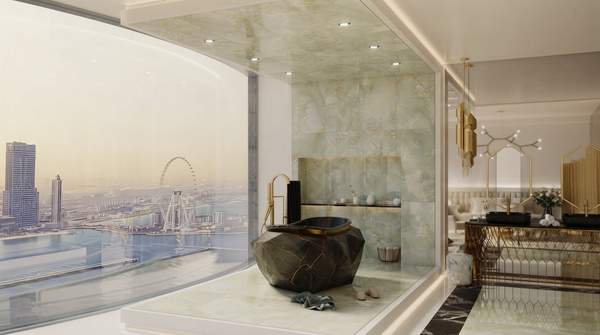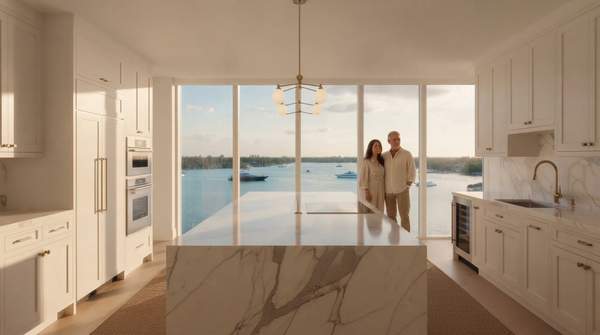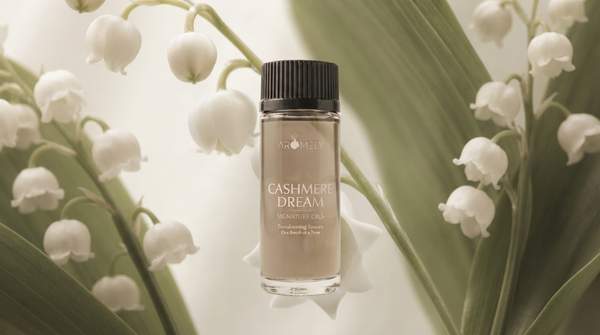
A distinctive fragrance has become a finishing layer of luxury interior design: a sensory signature that makes a beautiful home recognizable, and memorable, long after a visit ends. Reporting on premium residences by Firstpost's Namita S Kalla describes luxury homes embracing everything from botanical fragrances to room-specific aromas, treating scent as a deeply personal design dimension rather than an afterthought. The good news for the homeowner is that the logic behind this trend is learnable, and it can be applied room by room with a simple decision framework.
The Sensory Dimension of Luxury: Why Scent Matters
The trend has a psychological foundation, not merely an aesthetic one. Marketing strategists at Bigeye, an agency that designs signature scents for consumer brands, explain the mechanism plainly: "Unlike visuals or sounds, scents connect directly to emotions and memories, influencing how customers perceive and remember your business." A well-designed fragrance, they note, can evoke feelings of relaxation, energy, or luxury, reinforcing identity across touchpoints. What holds for a retail brand holds equally for a private address: the scent of a space becomes part of how it is remembered.
Firstpost's coverage of premium interiors makes the residential case vividly, describing a home that can be recognized with your eyes closed, through "a distinctive blend of aged wood, fresh flowers, clean linen, and crisp air that belongs to that address alone." That blend is not accidental. In commercial scenting, professionals begin by defining the emotions they want a space to evoke, then match fragrance elements to that personality, citrus for energy, woody notes for warmth, before testing the scent in the actual space and refining it based on feedback. The same sequence translates directly to a private home: decide the feeling first, then choose the notes, then live with the result and adjust.
Luxury hotels offer the most developed reference points, because hospitality brands have spent decades engineering precisely the impressions a homeowner now wants to borrow. Hotel Collection's guide to luxury hotel scents, written by Stephanie Rice, catalogs the compositions behind some of the most recognizable lobbies in the world. One profile pairs an amber, vetiver, and musk base with sandalwood and oud wood middle notes, crisp lemon on top, and warm cinnamon and cardamom for balance, producing what she describes as "a lavish atmosphere of opulence and relaxation the second you breathe it in."
These examples matter because they show that "luxury" is not a single smell but a constructed effect. Lemon contributes brightness and lift; sandalwood and oud add depth and warmth; amber, vetiver, and musk give the composition its long-lasting foundation. A homeowner can borrow that architecture, top notes for first impression, heart notes for character, base notes for the lingering memory, without commissioning a custom perfume.
Your Home's Scent Profile: A Decision Framework
The framework below adapts commercial scent-branding principles to a residential setting. It works in three steps: name the mood you want a space to produce, match that mood to a fragrance family using the note-to-emotion associations documented in scent branding and hotel scenting, then assign the composition to the area of the home where that mood belongs. The room pairings are general applications of each mood rather than prescriptive rules; your own routines should have the final word.
| Desired Mood | Fragrance Family and Notes | Spaces Commonly Chosen |
|---|---|---|
| Calming and relaxing | Woody and warm notes: sandalwood, oud, amber, vetiver, musk, with cinnamon and cardamom for balance | Bedrooms and living rooms, or any space intended for unwinding |
| Invigorating and energizing | Citrus notes, particularly lemon, for brightness and lift | Home offices, kitchens, and entryways, where a fresh, alert feeling is welcome |
| Welcoming and elevated | Clean, gentle compositions in the style of bright hotel-foyer scents, such as the Ritz-Carlton-inspired "Cabana" profile described as bright and refreshing | Entryways and foyers, where first impressions form |
To use the table, start with the mood column rather than the notes. If the goal for a bedroom is calm, the woody-and-warm row points toward sandalwood, amber, and musk; if the goal for a workroom is alertness, the citrus row points toward lemon-led compositions. Hotel profiles demonstrate how the rows combine: the opulent, relaxing scent described above places lemon on top of sandalwood and oud, showing that a single fragrance can carry both lift and warmth when the layers are balanced.
Delivery matters as much as selection. Reeds and electric diffusers release fragrance continuously and evenly, suited to the sustained calm of a bedroom or living room; candles add warmth and a ritual quality that suits evening use; room sprays offer immediate, short-lived lift, useful in entryways before guests arrive. Whatever the format, the commercial practice of testing in the actual space and refining applies at home: a scent that reads as opulent in a grand foyer can overwhelm a small study.
Elevate Your Home's Ambiance: A Lasting Impression
The decision, then, is to implement a signature scent strategy in your luxury home by selecting fragrances that align with the desired mood for each specific room, choosing notes for the feeling they produce rather than for the bottle they come in. The measure of success is the one hospitality has already validated: guests and residents consistently report a positive emotional response and a heightened sense of luxury and comfort upon entering and moving through scented spaces. That indicator comes from hotel guest feedback on pleasant scents rather than from studies of private homes, so treat it as a well-supported benchmark rather than a guarantee. Begin with one room, one mood, and one fragrance family, and let the framework above guide each subsequent choice.
Sources
- Smell of luxe: Why signature scents are becoming the final word in premium design — Firstpost
- Full-Service Marketing Agency for Consumer Brands — Bigeyeagency
- The Complete Guide to Luxury Hotel Scents — Hotel Collection