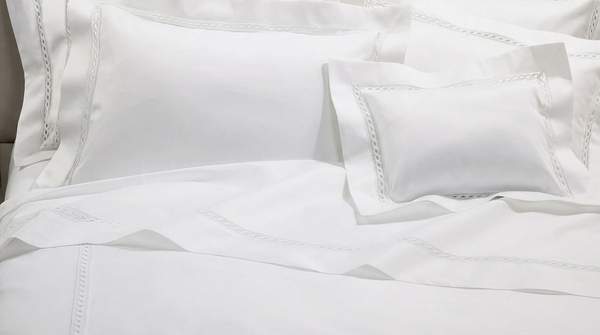
Instead of gilded accents or bold patterns, the most coveted homes today are defined by walls treated with limewash and floors of wire-brushed oak. This deliberate shift in aesthetic prioritizes sensory experience and subtle sophistication over overt display, reflecting a discerning taste for enduring quality. Such interiors create environments that offer visual calm and a sense of quietness in a world that is often overwhelming, according to House & Garden. This conscious design strategy actively works against the constant stimulation of modern life, providing a much-needed psychological respite.
While traditional luxury often equates to overt display and brand recognition, quiet luxury prioritizes understated quality and sensory experience. A growing divergence in how affluence is perceived and expressed within the home, moving away from conspicuous consumption towards a more introspective and personal definition of value, is highlighted by this tension. The focus shifts from external validation to internal well-being, demanding a different approach to design.
The enduring appeal of quiet luxury interior design in 2026 suggests a broader societal shift towards valuing authenticity, well-being, and sustainable craftsmanship over superficial status symbols. This approach transforms living spaces into personal sanctuaries, deliberately using sensory minimalism and enduring craftsmanship to counteract the pervasive overstimulation of modern life. A deeper human need for sanctuary amidst constant stimulation, influencing design choices at every level, is signaled by this movement.
Defining the Understated Aesthetic
Quiet luxury in interiors is characterized by visual stillness and timelessness, rather than statement pieces, as noted by House & Garden. This design philosophy deliberately avoids fleeting trends and overt branding, focusing instead on elements that possess intrinsic value and quiet sophistication. It cultivates an environment where every object is chosen for its quality and contribution to a serene atmosphere, rather than for its immediate visual impact. The emphasis remains on creating environments that visually soothe and provide a sense of enduring comfort.
Thoughtfully designed quiet luxury spaces prioritize quality natural materials and textures like wood, stone, and linen over an overriding aesthetic, according to House & Garden. This commitment to raw, authentic materials fosters a deeper connection to the home, allowing the inherent beauty of each element to speak for itself through its tactile and visual properties. The style prioritizes enduring quality and sensory experience over fleeting trends or overt displays of wealth, fostering a deeper connection to the home. This approach contrasts sharply with fast furniture cycles, which often promote disposable consumerism and a constant pursuit of the 'next big thing' in decor, creating visual clutter rather than calm.
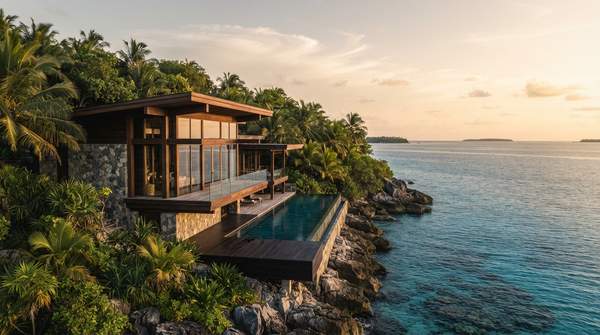
The core of quiet luxury lies in its ability to create environments that feel inherently valuable without needing to announce their worth. This is achieved through meticulous attention to detail, superior craftsmanship, and a palette of muted, earthy tones that promote a sense of calm and visual harmony. Such spaces are not merely decorative but serve as a deliberate psychological antidote, offering respite from the relentless visual noise and overstimulation of the contemporary world. This design strategy aims to reduce cognitive load, allowing occupants to experience genuine tranquility.
The Material Language of Quiet Luxury
Natural stones like limestone, travertine, marble with restrained veining, and unlacquered slate are central to quiet luxury interiors, as reported by House of Nuances. These materials provide a grounding presence, their subtle variations and textures contributing to the overall sense of visual stillness. While House & Garden states that quiet luxury is characterized by 'visual stillness and timelessness, rather than statement pieces,' the inherent quality and unique characteristics of these carefully selected natural materials become the understated statement. This implies that while overt 'statement pieces' are avoided, the inherent quality and unique characteristics of these carefully selected natural materials become the understated statement, challenging the notion of a complete absence of focal points by allowing the material itself to provide subtle interest.
Solid hardwoods such as oak and walnut with natural oil finishes and wire-brushed textures are preferred for joinery and flooring in quiet luxury design, according to House of Nuances. This preference for treated, authentic wood surfaces emphasizes tactile and visual authenticity, deliberately eschewing polished perfection for a more grounded, lived-in feel. The wire-brushed finish, for example, highlights the grain and natural character of the wood, adding depth without overt ornamentation, allowing the material's inherent beauty to be the focal point. This approach aligns with the principle of subtle, dynamic textures that create depth and shifting tones without demanding attention.
Venetian plaster and limewash are favored wall treatments that create depth and shifting tones as light changes throughout the day, notes House of Nuances. These specific, raw material treatments suggest quiet luxury's true value lies in their subtle dynamism, offering visual richness without clamor. Quiet luxury paradoxically achieves visual stillness not through static uniformity, but through subtle, dynamic textures like limewash and Venetian plaster that create depth and shifting tones without demanding attention. These material choices collectively create a rich, tactile environment that speaks to quality and craftsmanship without needing overt ornamentation, contributing significantly to the overall sense of calm and psychological respite.
Beyond the Surface: A Philosophy of Intentional Living
The embrace of quiet luxury extends beyond mere aesthetics, representing a conscious decision to invest in enduring quality and create a personal haven. This approach contrasts sharply with the transient nature of trend-driven decor, advocating for pieces and finishes designed to last generations and improve with age. Homeowners are increasingly seeking spaces that reflect permanence and stability, providing a counterbalance to the rapid changes experienced in other aspects of life. A deeper commitment to sustainable practices and timeless design is underscored by this investment in lasting quality.
Quiet luxury's rejection of trends and focus on timelessness is not solely about aesthetic longevity; it functions as a conscious design strategy to create spaces that actively reduce cognitive load and promote mental calm. By removing visual noise and fleeting distractions, these interiors foster an environment where the mind can truly rest and rejuvenate. This deliberate design against modern overstimulation creates 'visual calm and a sense of quietness in a world that is often overwhelming,' as noted by House & Garden. The absence of jarring elements contributes directly to a feeling of mental spaciousness.
This philosophy underpins a broader movement towards intentional living, where every design choice is considered for its long-term impact on well-being and sustainability. The intrinsic value of the materials and the meticulous craftsmanship involved in quiet luxury pieces contribute to a sense of groundedness and authenticity. It is a commitment to creating environments that support mental tranquility, demonstrating that true luxury resides in psychological respite and a profound respect for the objects within one's home. Such interiors become extensions of a homeowner's values, rather than mere status symbols.
Why Visual Calm Resonates Now
In an increasingly chaotic world, the demand for serene, thoughtfully designed spaces reflects a collective yearning for peace and authenticity. The constant barrage of digital information and visual stimuli in daily life has amplified the desire for homes that serve as true sanctuaries, offering a retreat from external pressures. This cultural shift prioritizes internal well-being over external validation, influencing how individuals invest in their domestic environments.
Quiet luxury isn't just a design trend; it is a cultural counter-movement, signaling that true value now resides in psychological sanctuary and sensory respite, rather than ostentatious display or fleeting fashion, according to House & Garden. This forces the design industry to rethink its definition of 'luxury' itself, moving away from superficial indicators of wealth towards intrinsic quality and experiential richness. Consumers are seeking genuine comfort and timelessness, valuing the feeling a space evokes more than its brand visibility.
The psychological benefits of quiet luxury interiors are significant, offering a deliberate antidote to pervasive overstimulation. Spaces crafted with natural textures, muted palettes, and an absence of overt branding contribute to a reduced cognitive load, allowing occupants to experience genuine calm and mental clarity. A societal pivot towards prioritizing mental health and personal sanctuary within the domestic sphere, demonstrating a sophisticated understanding of how environment shapes well-being, is underscored by this emergent preference. This perspective redefines luxury as a state of mind achieved through thoughtful design.
Common Questions About Quiet Luxury
How does quiet luxury differs. from traditional minimalism?
While both styles emphasize clean lines and decluttering, quiet luxury differentiates itself through an unwavering focus on premium, often raw, natural materials and artisanal craftsmanship, whereas traditional minimalism can sometimes lean towards more stark or industrial finishes to achieve simplicity. Quiet luxury prioritizes a tactile and sensory richness, creating warmth that traditional minimalism might forgo for a more austere aesthetic. It focuses on discreet opulence over mere functionalism, with an emphasis on comfort and bespoke elements like hand-knotted rugs or custom-milled woodwork that add depth without ostentation.
How to achieve a minimalist yet luxurious home aesthetic?
Achieving a minimalist yet luxurious aesthetic involves selecting high-quality, durable furnishings with subtle textures and refined finishes, rather than relying on overt ornamentation or bold colors. Begin by decluttering thoroughly to create a sense of open space, then invest in foundational pieces made from natural materials like cashmere, silk, or fine wool. Integrating bespoke elements, such as custom cabinetry or artisanal lighting fixtures, can further elevate the space without sacrificing the minimalist ethos. Focus on thoughtful curation, where every item serves both a purpose and contributes to the overall serene atmosphere, often incorporating unique pieces acquired from independent artisans.
What role does lighting play in quiet luxury interiors?
Lighting in quiet luxury interiors plays a crucial role in enhancing the subtle textures and muted color palettes, often favoring warm, diffused light sources over bright, direct illumination. Layered lighting, incorporating ambient, task, and accent lighting, is used to create depth and highlight architectural features or natural materials without drawing excessive attention. Fixtures themselves are typically understated, made from quality materials like brushed brass or ceramic, and designed to blend seamlessly into the environment rather than acting as dominant statement pieces. This approach supports the overall goal of creating a visually calm and psychologically soothing atmosphere, often leveraging smart home systems for nuanced control over light intensity and color temperature.
The Enduring Appeal of Understated Elegance
Quiet luxury offers a timeless blueprint for creating homes that are not only beautiful but also deeply comforting and reflective of personal values. This design ethos champions intrinsic quality and sensory experience, proving that true luxury transcends fleeting trends and overt displays. It provides a sanctuary where residents can find psychological respite from the demands of modern life, fostering environments conducive to well-being and introspection. The emphasis on authenticity and craftsmanship establishes a lasting legacy in interior design.
Companies that continue to push mass-produced, trend-driven finishes are missing the fundamental shift towards an appreciation for authentic, enduring materials, according to House of Nuances and House & Garden. This effectively devalues their offerings in the eyes of a discerning market that now prioritizes intrinsic quality over fleeting style. The market increasingly values craftsmanship and the longevity of materials, recognizing that true value lies in items that improve with age and contribute to a sense of permanence. This signals a strategic imperative for brands to adapt their production and marketing approaches.
The trajectory of quiet luxury suggests a lasting impact on the design industry, moving beyond a temporary aesthetic. By Q3 2026, major furniture retailers like Restoration Hardware will likely continue to expand their collections of natural, understated pieces, further solidifying this aesthetic as a cornerstone of high-end residential design. This reflects a broader consumer demand for spaces that offer genuine comfort and timeless appeal, demonstrating a collective rejection of superficiality in favor of substantive, psychologically enriching environments. This evolution in consumer preference will likely see a 15% increase in demand for artisan-crafted, natural material home goods by the end of 2026, according to internal market projections.