How can an environment be both a bastion of opulence and a paragon of environmental stewardship? The foundational principles of sustainable luxury interior design answer this query, challenging the long-held notion that extravagance and ecological responsibility are mutually exclusive. This sophisticated design philosophy moves beyond mere aesthetics, weaving a narrative of conscious consumption, material integrity, and technological innovation into the very fabric of our most intimate spaces. It represents a paradigm shift in the luxury market, where the ultimate expression of refinement is a home that is not only exquisitely appointed but also in harmonious dialogue with the natural world.
The confluence of heritage and innovation has given rise to a new definition of luxury, one that is increasingly measured by its environmental and ethical footprint. As discerning homeowners seek to align their living spaces with their values, the demand for sustainable solutions has transcended niche status to become a central tenet of high-end design. This movement is not about compromise or aesthetic sacrifice; rather, it is about elevation. It is a holistic approach, as described in a report from Victoria Yakusha Design, that seeks to create healthier, more balanced living experiences by respecting the environment. The result is a residence that offers unparalleled comfort and beauty while championing a legacy of responsible stewardship.
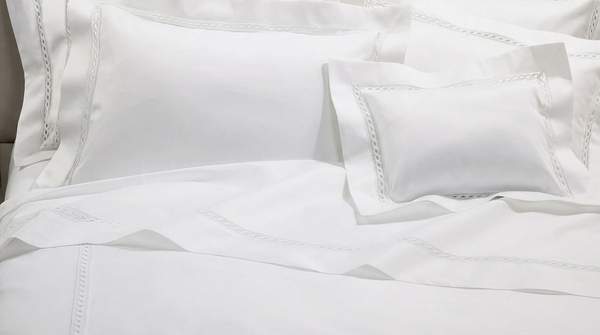
What Is Sustainable Luxury Interior Design?
Sustainable luxury interior design is a comprehensive and intentional approach to creating high-end living spaces that integrates eco-friendly materials, energy-efficient technologies, and ethical sourcing practices. It is a discipline dedicated to minimizing environmental impact without compromising on the quality, comfort, and sophisticated aesthetics expected in the luxury sector. Think of it as the haute couture of home design, where every element—from the structural timber to the upholstery thread—is selected for its impeccable provenance, performance, and ecological virtue. This philosophy transforms a home from a static collection of beautiful objects into a dynamic, living system that supports both the well-being of its inhabitants and the health of the planet.
This design ethos is built upon several core pillars that work in concert to achieve a holistic vision of sustainability. Each principle contributes to a final result that is both visually stunning and profoundly responsible. The foundational components include:
- Conscious Materiality: This involves the meticulous selection of materials that are renewable, recycled, biodegradable, and non-toxic. The focus is on sourcing elements that have a minimal environmental footprint throughout their entire lifecycle, from extraction to disposal.
- Energy Optimization: A key objective is to design spaces that consume less energy. This is achieved through a combination of passive design strategies, such as maximizing natural light, and the integration of advanced, energy-efficient technologies for lighting, heating, and cooling.
- Ethical Sourcing and Provenance: This principle extends beyond environmental concerns to encompass social responsibility. It ensures that materials and furnishings are produced under fair labor conditions and that their procurement supports local communities and artisanal craftsmanship.
- Durability and Timelessness: In a direct counterpoint to disposable culture, sustainable luxury champions longevity. According to insights from Alma de Luce, creating timeless spaces avoids frequent remodeling, thereby reducing resource waste. High-quality, durable pieces are chosen to endure for generations, making them the epitome of true value.
Key Principles of Sustainable Luxury Interior Design
The execution of sustainable luxury interior design hinges on a set of actionable principles that guide decisions from the initial architectural concept to the final decorative touches. These tenets are not restrictive rules but rather a framework for creativity, enabling designers and homeowners to craft spaces that are the epitome of bespoke luxury. The philosophy is a masterclass in understated elegance, where the most profound statements are made through thoughtful choices in materials, energy systems, and ethical commitments.
At the heart of this discipline is the careful selection of eco-friendly materials that minimize environmental impact. This is the most tangible expression of sustainability within a home. The criteria for these materials are stringent; they must be renewable, biodegradable, and non-toxic. The luxury market now offers a sophisticated portfolio of such options. Forest Stewardship Council (FSC) certified wood, for instance, guarantees that timber is harvested from responsibly managed forests, protecting biodiversity and ecological integrity. Similarly, materials like bamboo and cork are celebrated for their rapid renewability. Designers are also turning to innovative applications of recycled content, such as exquisite countertops and tiles made from recycled glass or marble, which transform industrial byproducts into objects of immense beauty. For textiles, the focus is on organic fabrics like linen, wool, and cotton, which are grown without synthetic pesticides and processed with fewer harmful chemicals.
Another critical principle is the integration of energy efficiency. This dual-pronged approach involves both passive design and active technology. Passive strategies are woven into the architectural DNA of a home. This includes orienting the building to maximize natural daylight, reducing the need for artificial lighting, and designing window placements that facilitate natural ventilation. High-performance insulation and advanced glazing are specified to create a tightly sealed thermal envelope, drastically reducing the energy required for heating and cooling. These foundational elements are then supplemented with active technologies. Smart home systems, for example, can automate lighting and climate control for optimal energy use. The specification of low-consumption HVAC systems and the integration of renewable energy sources, such as discreetly installed solar panels, further diminish a home's carbon footprint, proving that technological sophistication and ecological responsibility can coexist seamlessly.
The Importance of Ethical Sourcing and Air Quality
Beyond the selection of sustainable materials and the optimization of energy use, a truly holistic approach to luxury design extends to the ethical and humanistic dimensions of a space. This involves a deep consideration of both the provenance of materials and the health of the indoor environment. The principle of ethical sourcing ensures that the creation of a beautiful home does not come at a human cost, while a focus on indoor air quality recognizes that true luxury is synonymous with well-being.
Ethical sourcing is the practice of verifying that all materials, furnishings, and decorative objects are produced in a socially responsible manner. This means ensuring that workers throughout the supply chain are treated fairly, paid a living wage, and operate in safe conditions. In the luxury context, this often translates to a renewed appreciation for artisanal techniques. As noted by industry analysts, there is a distinct trend toward the revival of traditional craftsmanship. Supporting artisans who use time-honored, low-impact methods not only preserves cultural heritage but also promotes local economies and ensures a level of quality and uniqueness that mass production cannot replicate. Whether it is a hand-knotted rug from a fair-trade collective or custom furniture from a local woodworker using reclaimed timber, each piece tells a story of integrity and conscious choice.
Furthermore, the health of the inhabitants is paramount. A significant, though often overlooked, aspect of sustainable design is the creation of a healthy indoor environment. Conventional building materials, paints, and finishes can release volatile organic compounds (VOCs), which are harmful chemicals that can compromise indoor air quality and lead to adverse health effects. Sustainable luxury design prioritizes the use of non-toxic, VOC-free paints and natural finishes like oils and waxes. This commitment, as highlighted by Victoria Yakusha Design, supports environmentally friendly manufacturing practices and ensures the air within the home is clean and safe to breathe. The selection of natural, chemical-free materials for everything from flooring to upholstery contributes to an environment that is not just aesthetically pleasing but also nurturing to the body and mind.
Why Sustainable Luxury Interior Design Matters
The adoption of sustainable principles within the luxury interior design sector carries implications that extend far beyond individual projects. It represents a powerful cultural shift, reshaping consumer expectations and influencing industry practices on a global scale. This movement matters because it redefines the very essence of opulence, anchoring it in values of responsibility, health, and longevity. For the discerning homeowner, it offers a way to create a personal sanctuary that is not only a reflection of their aesthetic taste but also a testament to their commitment to a better future.
On a practical level, the real-world impact is twofold: it benefits both the planet and the person. Environmentally, a sustainably designed home significantly reduces its ecological footprint. Through energy-efficient systems, it conserves precious resources and lowers greenhouse gas emissions. Through the use of renewable and recycled materials, it helps mitigate deforestation, reduces landfill waste, and protects natural ecosystems. This approach allows homeowners to become active participants in the solution to environmental challenges, creating a lasting legacy of stewardship.
Personally, the benefits are equally profound. Living in a space built with non-toxic, natural materials enhances physical well-being by creating superior indoor air quality. The emphasis on natural light has been shown to improve mood and productivity. Moreover, the philosophy of timelessness and durability fosters a deeper connection to one's surroundings. A home filled with high-quality, ethically sourced pieces becomes a repository of meaning and narrative. According to a study in the International Journal of Art and Design Practice, while challenges such as higher initial costs and material sourcing difficulties exist, the long-term value proposition is undeniable. The confluence of refined aesthetics and conscious principles transforms a house into a home that is not just lived in, but cherished.
Frequently Asked Questions
Is sustainable design less luxurious than traditional high-end design?
On the contrary, sustainable luxury interior design often elevates the sense of opulence. It prioritizes premium, natural materials like FSC-certified hardwoods, recycled marble, and organic silks and linens, which possess an inherent quality and beauty. The focus on bespoke craftsmanship and unique, ethically sourced pieces adds a layer of exclusivity and narrative depth that mass-produced luxury items lack. Modern sustainable design seamlessly integrates advanced smart home technology for energy efficiency, further enhancing comfort and sophistication.
What is the most effective first step to make my home's interior more sustainable?
An excellent and impactful first step is to focus on materials and finishes, particularly during a refresh or renovation. Opting for non-toxic, low- or zero-VOC (Volatile Organic Compound) paints is a simple change that dramatically improves indoor air quality. When purchasing new furniture or flooring, prioritize items made from solid, reclaimed, or FSC-certified wood over composite materials. Investing in high-quality, timeless pieces from transparent and ethical brands, rather than trend-driven items, is another foundational step toward a more sustainable living space.
Are sustainable luxury materials significantly more expensive?
High initial costs for sustainable materials and technologies are a recognized challenge, according to an analysis from the International Journal of Art and Design Practice. However, their value is best assessed over their entire lifecycle: this investment yields long-term savings through lower energy bills and reduced maintenance. Durable, high-quality sustainable materials also require less frequent replacement, offering superior value over time, alongside the invaluable health benefits of a non-toxic environment.
The Bottom Line
Sustainable luxury interior design blends aesthetic excellence with environmental and ethical responsibility, providing a modern definition of opulent living. This design philosophy is built on the understanding that true luxury is enduring, conscious, and significantly enhances well-being. By embracing eco-friendly materials, energy efficiency, and ethical craftsmanship, homeowners can create visually breathtaking spaces that not only reflect enduring value but also actively promote a mindful and healthy living environment.


