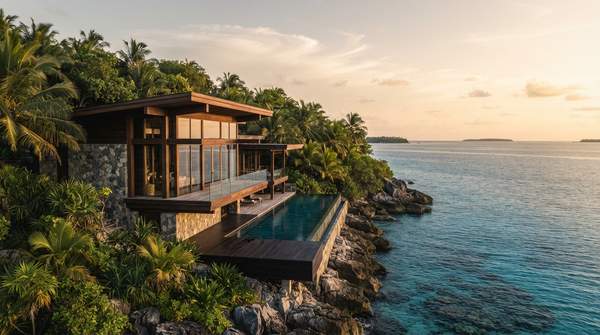
Experience of Space and Place: This more nuanced aspect of biophilic design relates to how a space makes one feel, drawing on primal human responses to different environments. It is best expressed through the concepts of "Prospect" and "Refuge."- Prospect refers to an unimpeded, expansive view over a distance, which provides a sense of awareness and control. In a luxury residence, this is achieved through floor-to-ceiling windows, elevated terraces, and open-plan layouts that embrace a commanding view.
- Refuge, conversely, offers a place of withdrawal and protection, a smaller, safer space from which to observe the larger environment. This can be created with elements such as a high-backed chair, a cozy reading nook, a canopy bed, or a secluded courtyard. The most effective biophilic spaces balance these two conditions, providing both expansive vistas and intimate shelters.
Integrating biophilic design elements into high-end residences
The translation of biophilic principles into the realm of luxury residential architecture is an exercise in sophisticated integration. The discerning eye will note that it is not about rusticism, but about the seamless fusion of high-end aesthetics with organic sensibilities. In markets from Palm Beach to Beverly Hills, architects and designers are crafting environments that are both visually stunning and deeply connected to the natural landscape. This process involves a meticulous selection of elements that work in concert to create a cohesive, restorative atmosphere.
The foundation of this integration is often light. Expansive glazing, skylights, and light wells are employed not just for illumination but to create a dynamic interplay of light and shadow that shifts throughout the day, connecting residents to diurnal rhythms. Natural ventilation is also paramount, with designs that facilitate cross-breezes and a constant flow of fresh air, blurring the boundary between indoors and outdoors. According to an analysis by The Berkeley, Palm Beach, these elements are fundamental to how biophilic design is transforming luxury residences.
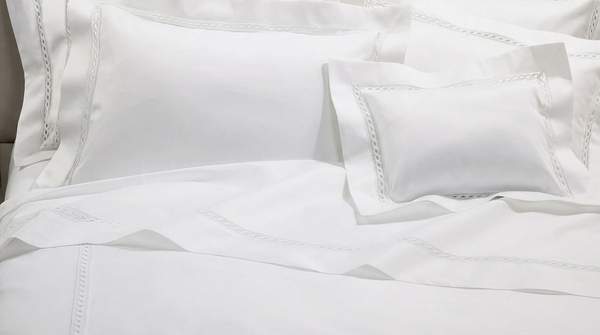
Materiality is another critical component. The emphasis is on authentic, sustainable materials that engage the sense of touch. One sees the use of reclaimed wood with visible grain, rough-hewn stone for feature walls, and natural fibers like linen and wool for textiles. These choices are often guided by sustainability principles, such as those from the U.S. Green Building Council, ensuring that the home's construction works with, rather than against, the environment. The result is a tactile richness that synthetic materials cannot replicate. Organic forms are also prevalent, with architects favoring fluid curves and waves over rigid, rectilinear geometries. As noted by design firm HPXD, such shapes are perceived as more inviting and can make a home feel more relaxed, echoing the non-uniform patterns found in nature.
Water, a powerful life-giving element, frequently becomes a central feature. In luxury applications, this can manifest as a tranquil stream running through an interior courtyard, a dramatic wall cascade in a double-height entryway, or an infinity pool that appears to merge with the horizon. As highlighted by Hart Design Selection, water is elevated from a utility to a primary decorative and sensory element. Finally, the integration of plant life goes far beyond simple decoration. It includes the creation of lush indoor gardens, verdant atriums, and extensive green roofs that become integral parts of the architectural form, purifying the air and providing a constant, living connection to the natural world.
How biophilic design enhances well-being and property value
The adoption of biophilic design in luxury homes extends far beyond aesthetic preference; it is grounded in its demonstrable positive effects on human health and its consequential impact on property value. The core premise is that by creating environments that align with our innate connection to nature, we can foster both physical and mental well-being. This philosophy aims to cultivate a sense of tranquility and reduce the stresses of modern life, transforming a residence from a mere dwelling into a true sanctuary.
A growing body of research supports these claims. Studies cited by multiple sources, including Amlings Interior and HPXD, have reported that exposure to natural elements in built environments can lead to tangible physiological and psychological benefits. These may include reduced stress levels, lower heart rates and blood pressure, increased productivity, and an overall elevated mood. By maximizing natural light, improving air quality through natural ventilation and indoor flora, and providing calming views of nature, biophilic homes are designed to be inherently healthier spaces. The design fosters a stronger connection to nature, which in turn contributes to a more balanced and restorative lifestyle for its residents.
For the astute investor and homeowner, these wellness benefits translate directly into market appeal and financial value. As awareness of the link between environment and health grows, properties that actively promote well-being are becoming increasingly sought after. A home that is thoughtfully designed with biophilic principles is not just a luxury good but a long-term investment in quality of life. This enhanced appeal can lead to a significant increase in property value and marketability. A residence that offers a unique sense of calm, connection, and healthfulness possesses a distinct competitive advantage in the high-end real estate market. It represents a more evolved form of luxury—one that is defined not only by its grandeur but by its capacity to enrich the lives of those who inhabit it.
Why Biophilic Design Matters
Biophilic design matters because it represents a fundamental re-evaluation of the purpose of architecture in the luxury sector. It signals a departure from an era where luxury was often defined by ostentation and a detachment from the surrounding environment. Instead, it proposes a more intelligent and integrated vision, where the ultimate luxury is a harmonious relationship between the inhabitant, the home, and the natural world. This shift is not merely stylistic; it is philosophical, reflecting a deeper cultural move towards sustainability, authenticity, and holistic well-being.
The movement is being driven, in part, by a new generation of high-net-worth individuals who bring a different set of values to the market. They are often more environmentally conscious and place a higher premium on experiences and wellness than on material possessions alone. For this clientele, a home must do more than impress; it must nurture. As detailed in a report by Joyce Rey, this design approach is already elevating luxury homes in exclusive enclaves like Beverly Hills. By embracing biophilic principles, architects and developers are not just meeting a market demand—they are anticipating the future of luxury living itself. It is a future where the most coveted properties will be those that provide a profound and restorative connection to nature.
Frequently Asked Questions
What is the main goal of biophilic design?
The primary goal of biophilic design is to foster a stronger connection between people and nature within the built environment. It aims to improve the physical health, mental well-being, and overall quality of life for occupants by systematically integrating natural light, materials, forms, and living elements into architecture and interior spaces.
Is biophilic design just about adding plants to a room?
No, it is a far more comprehensive approach. While incorporating plants and living walls is a key component, true biophilic design also involves a holistic consideration of natural light, water features, air quality, organic forms, and natural materials. It also addresses spatial configurations that appeal to our innate instincts, such as creating balances between expansive views (prospect) and secure, enclosed spaces (refuge).
Can biophilic design increase a home's value?
Biophilic design enhances aesthetic quality and promotes resident well-being, aligning with contemporary demands for sustainability and wellness. These attributes increase a property's value and market appeal, making such homes highly sought after by discerning buyers in the luxury market.
Who pioneered the concept of biophilic design?
The underlying concept is rooted in biologist Edward O. Wilson's "biophilia" hypothesis from the 1980s, which posits an innate human tendency to connect with nature. The application of this idea to the built environment, known as biophilic design, was significantly pioneered and developed by the late Stephen R. Kellert, a professor at Yale University, who established a comprehensive framework for its principles and practice.
The Bottom Line
Biophilic design is an evidence-based philosophy that redefines luxury residential architecture. It transforms a high-end home from merely providing shelter and comfort into a space that actively enhances the health and well-being of its inhabitants. For discerning individuals, understanding these principles is key to appreciating truly intelligent and luxurious living spaces.