Bespoke vs. Made-to-Measure: Which Custom Tailoring Process Is Better?

In a striking market shift, Qingdao-based Redcollar Group now commands 90% of the U.

VL
Victoria Laurent

April 15, 2026 · 5 min read

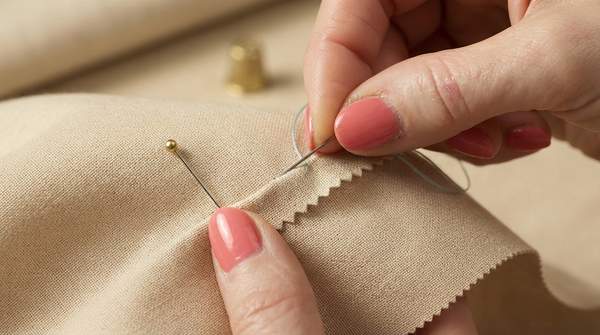
A visual comparison of bespoke tailoring with hand-stitching and made-to-measure with digital scanning, highlighting craftsmanship versus technology.

In a striking market shift, Qingdao-based Redcollar Group now commands 90% of the U.S. and European market for custom suits priced as low as $200. This dominance, reported by Vocal Media, reshapes the fashion landscape for personalized garments. Consumers can now acquire custom-fitted suits at prices once unimaginable, fundamentally altering expectations for tailored clothing by 2026.

This accessibility, however, directly challenges the long-held perception of custom tailoring as an exclusive, expensive luxury. Advanced manufacturing and sophisticated data systems now render personalized garments affordable for the mass market, creating a distinct tension between traditional craftsmanship and technological efficiency.

The very definition of 'custom clothing' is expanding, moving beyond traditional bespoke to embrace technologically-driven made-to-measure. This pushes the industry toward greater accessibility and directly challenges the traditional premium model. Consumers are now compelled to question the premium historically associated with extensive fittings and hand-drawn patterns, redefining the process and inherent value of custom garments.

What is Custom Tailoring?

Custom clothing is inherently made-to-order, produced solely based on consumer demand. This approach, as noted by Qclothier, significantly curtails excess inventory, fostering a more sustainable fashion model. Garments are tailored to individual measurements and preferences, ensuring a superior fit unmatched by off-the-rack alternatives.

Beyond superior fit, custom clothing offers enhanced quality and durability. These garments often feature premium fabrics and meticulous craftsmanship, ensuring longevity and form retention. Companies like Redcollar, utilizing C2M systems for demand-based production, are not merely selling apparel; they are pioneering a sustainable, efficient manufacturing model. This drastically reduces excess inventory, establishing a new industry benchmark for responsible production.

Bespoke vs. Made-to-Measure: The Core Distinctions

The primary differences between bespoke and made-to-measure tailoring lie in their processes, measurement techniques, and customization levels. These distinctions highlight varying degrees of personalization and time investment.

FeatureBespoke TailoringMade-to-Measure
Measurement Process25-30 body measurements, unique hand-drawn paper patternStandardized patterns adjusted to specific measurements, often digital
Fittings Required3-5 fittings over 4-8 weeksMaximum of two fitting sessions over 4-8 weeks
Fabric Selection3000-5000 fabrics available, endless customizationFew hundred fabrics, limited customization options
Price Point (Entry)Starts at $1,500, can climb to $6,500+Starts as low as $200

This comparison, drawing data from Theartefact and Vocal.media, reveals a fundamental divergence in the very essence of 'precision' and 'personalization' in custom clothing. Bespoke delivers ultimate individuality through extensive manual artistry. Made-to-measure, conversely, offers a more standardized yet personalized approach, primarily leveraging technology for efficiency.

When to Choose Bespoke: Uncompromising Craftsmanship

Bespoke tailoring remains the pinnacle for clients prioritizing unique design, a perfect fit, and an unparalleled luxurious experience. A tailored suit from a bespoke artisan, as noted by Sallauretta, can range from $1,500 to over $6,500. This significant investment directly reflects the extensive craftsmanship and personalized attention required to create a truly one-of-a-kind garment.

Despite the emergence of more accessible custom options, bespoke tailoring continues to captivate a clientele seeking unparalleled quality and a distinctive aesthetic. Barron's highlights a new wave of U.S. designers actively reshaping the perception of bespoke clothing. This suggests that even as the market evolves, the demand for bespoke’s unique value proposition endures, appealing to those who prioritize the ultimate expression of personal style and meticulous handcraft.

When to Choose Made-to-Measure: Accessible Personalization

Made-to-measure has rapidly emerged as a highly viable and accessible option for personalized clothing, primarily driven by technological advancements. Qingdao's Redcollar Group, for instance, has dramatically lowered the price of made-to-measure suits to just 10% above mass-produced alternatives, making custom garments attainable for a broader demographic. This affordability stems directly from their innovative approach, as detailed by Vocal.media.

Indeed, Redcollar's market dominance, capturing 90% of the U.S. and European market for $200 suits (Vocal.media), is rooted in their C2M (customer to manufacturer) data system. Perfected over 13 years with a $40 million investment, this system allows body measurements in mere seconds via a light beam apparatus, streamlining a traditionally lengthy process. This substantial investment and decade-plus refinement reveal that democratizing custom clothing is not a simple price reduction. It is a complex technological and logistical triumph, one traditional tailors are ill-equipped to replicate, leaving them vulnerable to significant market erosion.

Redcollar Group's commanding 90% market share for $200 custom suits unequivocally proves the mass market's preference for accessible, efficient customization over the meticulous, time-consuming perfection of traditional bespoke. This fundamentally shifts consumer value propositions. Most consumers, it appears, prioritize a good fit and affordability above extreme customization. Made-to-measure, particularly pioneered by companies like Redcollar, strikes a compelling balance of personalization, quality, and affordability, democratizing custom clothing for a vastly broader market.

FAQ: Common Questions About Custom Tailoring

How is a bespoke pattern created?

A bespoke pattern is meticulously drawn by hand by the tailor, unique to each client. This process involves taking 25-30 precise body measurements to ensure the pattern perfectly reflects the individual's unique physique. This foundational step is critical to achieving the unparalleled fit synonymous with bespoke garments, as outlined by Theartefact.

The traditional method of creating a bespoke pattern by hand contrasts sharply with the digital adjustments common in made-to-measure. This manual pattern drafting allows for minute adjustments and a level of personalized contouring that automated systems cannot replicate.

What are the benefits of custom-made clothing?

Custom-made clothing provides distinct advantages beyond its superior fit. These garments typically feature premium fabrics and meticulous craftsmanship, ensuring enhanced durability and longevity compared to mass-produced alternatives. The made-to-order model also inherently supports sustainable fashion, minimizing textile waste by producing only what is specifically demanded.

Moreover, custom clothing enables profound personalization in design and aesthetic, ensuring the garment truly reflects the wearer's individual style. This level of customization, from fabric selection to specific design elements, offers a unique expression of personal taste rarely found in off-the-rack options.

The custom tailoring market, reshaped by pioneers like Redcollar Group, reflects a profound re-evaluation of value in luxury fashion. The accessibility of custom suits for as little as $200, a technological triumph backed by Redcollar's $40 million C2M system investment, has fundamentally disrupted traditional perceptions of personalized garments. By 2026, this continued innovation will likely solidify made-to-measure's position as a dominant force, compelling traditional bespoke tailors to articulate their unique value proposition beyond mere price and speed.