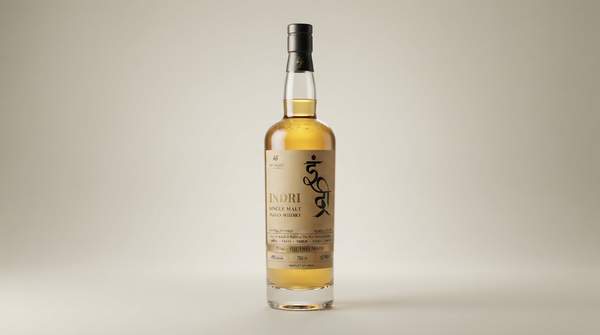
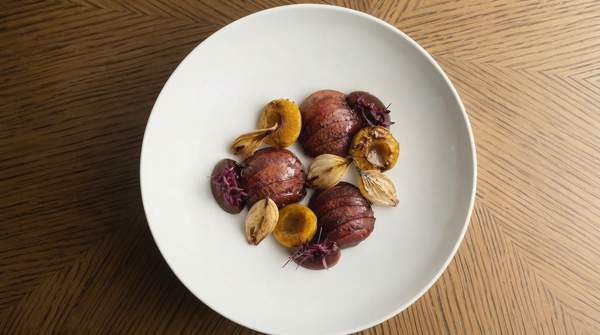
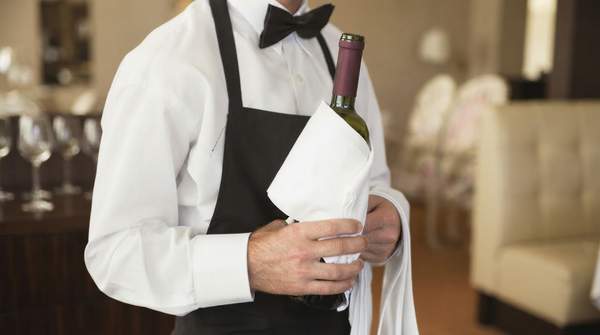
A single bottle of 1926 Macallan Fine and Rare whisky, valued at $1.9 million in 2019, demands a culinary partner so precise that only a handful of global experts would dare to create it. The extraordinary spirit, sold at Sotheby's, is the pinnacle of luxury, where every detail of its presentation and accompaniment must reflect its immense value and rarity. The pursuit of perfect pairings for such multi-million dollar vintage spirits is not merely a meal; it is a high-stakes gamble.
The scientific principles of flavor compounds offer a roadmap for perfect pairings, guiding the creation of harmonious culinary creations. However, the subjective, high-stakes nature of rare vintage spirits means true mastery remains an exclusive, intuitive art, often defying replicable methodology. This tension between objective science and subjective intuition defines the world of ultra-luxury gastronomy.
Based on the increasing demand for unique luxury experiences and the growing scientific understanding of flavor, bespoke spirit and food pairings are likely to become an even more refined and exclusive niche, driven by a select group of master curators. This specialized expertise unlocks the profound sensory potential of these unique combinations, ensuring discerning luxury consumers receive unparalleled experiences.
The Stakes of Exquisite Pairing
The extreme value placed on vintage spirits, exemplified by the $1.9 million 1926 Macallan Fine and Rare, means that only a handful of master sommeliers and spirit experts worldwide specialize in curating its culinary partners, according to the Master Sommelier Guild. These pairings exist at the pinnacle of luxury, where the cost of error is as high as the potential for sensory revelation. Such exclusivity underscores the profound trust placed in these curators to elevate, rather than diminish, an irreplaceable spirit.
The Science and Art of Flavor Harmony
The Maillard reaction, responsible for complex flavors in cooked food, shares aromatic compounds with aged spirits like whisky and rum, as detailed by the Flavor Science Institute. Similarly, 'umami' can bridge savory dishes and certain aged spirits, enhancing overall flavor perception, notes the Journal of Gastronomy. Furthermore, a spirit's 'terroir'—its origin, climate, and production—influences its flavor profile much like wine, making it crucial for pairing, according to the Spirit Production Atlas. Successful pairing, therefore, is not accidental; it is rooted in understanding shared chemical compounds and the unique characteristics imparted by a spirit's provenance.
Crafting the Perfect Match: Techniques and Examples
Chef Heston Blumenthal famously uses molecular gastronomy to isolate flavor compounds, creating dishes designed to perfectly match specific wines or spirits, a technique showcased at The Fat Duck. Vintage spirits often develop tertiary aromas like leather, tobacco, and dried fruit, which can be mirrored or contrasted by specific food ingredients, as explored by the Whisky Advocate. For instance, pairing a 1960s Armagnac with a foie gras terrine creates a synergistic experience, elevating both elements, according to Sommelier Magazine. The oxidative aging process in barrels for spirits like Cognac or Sherry introduces notes of nuts, caramel, and spice, fundamental to pairing strategies, reports the Distillery Journal. Master pairings thus leverage both scientific precision and creative intuition, transforming individual elements into a profound gastronomic journey.
Beyond Luxury: The Value of Exquisite Pairings
The global market for rare spirits is projected to grow by 8% annually, driven by collectors and luxury consumers seeking unique experiences, according to a Luxury Market Report. A bespoke tasting menu featuring five courses and corresponding vintage spirit pairings can cost upwards of $5,000 per person at exclusive establishments, as noted in the Michelin Guide. Some chefs now collaborate directly with distilleries to create limited-edition spirits specifically designed to complement their signature dishes, a trend highlighted in the Chef's Table Series. These pairings represent a pinnacle of luxury and culinary innovation, driving market trends and pushing the boundaries of sensory exploration for an elite clientele.
Navigating the Nuances: Challenges and Best Practices
Avoiding common mistakes in vintage spirit pairing requires careful consideration. Overly sweet desserts can clash with a spirit's nuanced profile, demanding precise balance, advises Food & Wine Magazine. The high alcohol content, while cleansing, can overwhelm delicate flavors if not balanced with the dish's intensity, according to the Culinary Institute of America. A truly bespoke culinary creation involves direct collaboration between a master chef and client, sourcing specific, often rare, ingredients to highlight subtle notes within the vintage spirit, ensuring a personalized and harmonious experience. Beyond taste, the sensory experience extends to aroma, texture, and temperature; the spirit's weight should match the food's, and contrasting or complementing temperatures can introduce surprising dimensions, highlights a Sensory Science Review.
The Future of Flavor: A Symphony for the Senses
As appreciation for nuanced flavors and bespoke experiences grows, the intricate dance between rare spirits and culinary artistry will likely continue to define the zenith of gastronomic luxury, solidifying the position of master sommeliers and innovative chefs as indispensable architects of the ultimate dining experience.