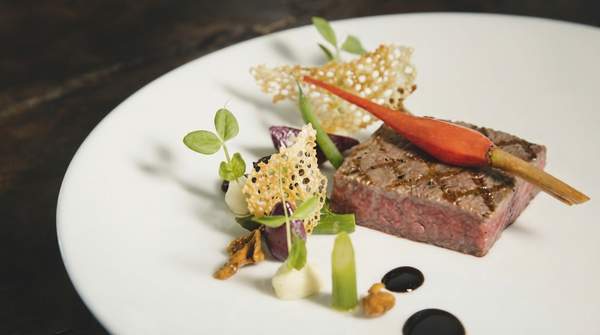
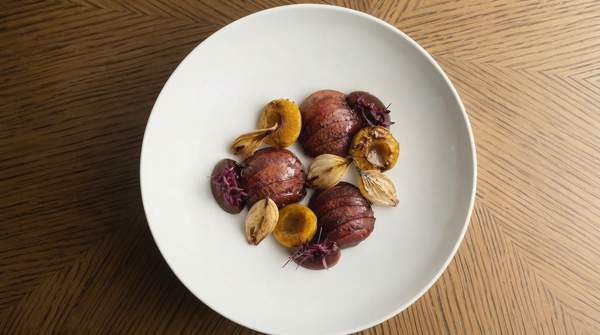
A 50 oz bone-in ribeye and roasted chicken with brioche and sage honeycomb are back on the menu at The Tasting Kitchen, a restaurant reopening after a nearly four-year closure with a complete redesign, according to Wallpaper*. Chef Casey Lane now leads the culinary direction, offering both seasonal tasting menus and à la carte options.
The luxury dining landscape sees a resurgence of opulent, nostalgic concepts, yet simultaneously, new openings for 2026 redefine fine dining through highly specific, culturally focused, and immersive offerings. This tension shapes the current culinary scene, compelling diners to choose between grandiosity and granular authenticity.
Based on this current wave of restaurant openings, the future of luxury dining will likely be characterized by a bifurcated market: hyper-traditional, high-end revivals alongside innovative, niche culinary experiences.
The Tasting Kitchen's return, featuring lavish dishes and a redesign by Matt Winter, exemplifies a desire for unapologetic opulence. Such openings show a dynamic shift where luxury is defined by both a return to opulent classics and novel, brand-integrated experiences.
1. The New Culinary Landscape: Diverse Flavors and Concepts
August 2026 brought a variety of new restaurant options to the Bay Area, including San Francisco's inaugural cafe for Indian specialty coffee and a second location for a Russian bakery established in 1953, Fine Dining Lovers reports. This proliferation of niche and culturally specific concepts, from regional coffee to specialized Vietnamese dishes, shows a discerning consumer appetite for authentic, unique dining adventures that transcend traditional fine dining definitions.
1. The Tasting Kitchen
Best for: Diners seeking grand, indulgent dishes and a classic, high-end experience.
Description: Reopened after a nearly four-year closure, this Los Angeles restaurant features a redesign by Matt Winter and a menu from chef Casey Lane. Offerings include a seasonal tasting menu and à la carte options like a 50 oz bone-in ribeye and roasted chicken with brioche and sage honeycomb.
Strengths: Focus on opulent dishes, established chef, significant reopening event. | Limitations: May appeal less to those seeking minimalist or hyper-specific cultural experiences. | Price: High-end.
2. Mistral
Best for: Patrons who appreciate updated classic French bistro fare in a traditional setting.
Description: A nearly 40-year-old French bistro, Mistral was reopened by restaurateur Jonah Freedman. It retains its classic New York-style dining room while incorporating modern updates. The menu features French bistro staples such as crispy goat cheese ‘cigars’ with honey, escargot with Pernod butter, and steak frites.
Strengths: Retains classic appeal with modern touches, proven menu. | Limitations: Less emphasis on culinary novelty or fusion. | Price: Moderate to high.
3. Elder
Best for: Adventurous eaters seeking innovative British-Indian fusion cuisine.
Description: This British-Indian restaurant from chef Sujan Sarkar pays homage to London's chophouses blended with Indian flavors, according to Observer.
Strengths: Unique culinary concept, named chef. | Limitations: Niche appeal may not suit all palates. | Price: High.
4. Le Café Lacoste
Best for: Those interested in curated lifestyle experiences that merge fashion, sport, and dining.
Description: A pop-up restaurant located at The Plaza hotel, this concept draws inspiration from the Lacoste fashion brand's connection to tennis and the upcoming U.S. Open.
Strengths: High-profile location, strong brand synergy, immersive temporary event. | Limitations: Temporary nature, focus may be more on brand experience than purely culinary innovation. | Price: Premium.
5. Musaafer
Best for: Diners exploring notable Indian cuisine outside traditional hubs.
Description: Originating from Texas, Musaafer has been added to the map of notable Indian restaurants, according to ny.
Strengths: Represents a regional culinary powerhouse gaining national recognition. | Limitations: Specific details on menu or experience are limited. | Price: High-end.
6. New Vietnamese restaurants (San Anselmo and Oakland)
Best for: Diners seeking authentic, specialized Vietnamese dishes.
Description: New Vietnamese establishments are opening in San Anselmo and Oakland, with the Oakland location specifically focusing on cơm tấm (broken rice), Fine Dining Lovers reports.
Strengths: Focus on hyper-specific cultural cuisine. | Limitations: Lack of explicit luxury details, broader appeal may be limited compared to more established fine dining. | Price: Moderate.
2. Nostalgia vs. Novelty: Reimagining Classic Luxury
Mistral, a nearly 40-year-old French bistro, reopened under restaurateur Jonah Freedman with modern updates, yet maintained its classic New York-style dining room, Wallpaper* reports. Concurrently, The Derby Club, a new restaurant, aims to recreate the excess and classic American dishes of 1980s New York with a contemporary spin, according to Observer. This strategic embrace of nostalgia, whether by updating beloved institutions or crafting new concepts that evoke a glamorous past, solidifies the enduring allure of classic luxury.
| Feature | Mistral (Nostalgic Revival) | The Derby Club (Nostalgic Creation) |
|---|---|---|
| Concept | Reopening of a nearly 40-year-old French bistro with modern updates | New restaurant recreating 1980s New York excess and classic American dishes |
| Style | Retains classic New York-style dining room | Contemporary spin on a historical era |
| Menu Focus | French bistro staples (crispy goat cheese ‘cigars’, escargot, steak frites) | Classic American dishes evoking 1980s New York |
| Target Audience | Patrons seeking updated traditional French dining | Diners desiring a glamorous, excessive past reinterpreted |
| Experience | Refined, updated classic dining | Immersive, themed retro luxury |
3. Defining 'Notable': Global Influences and Fusion
Elder, a British-Indian restaurant from chef Sujan Sarkar, pays homage to London's chophouses while incorporating Indian flavors, Observer states. Furthermore, The Ambassadors Clubhouse, a London import, and Musaafer from Texas have been added to the map of notable Indian restaurants, according to ny. These examples—fusion, international import, and regional powerhouse—collectively define what makes an Indian restaurant notable.