A single bottle of Curious Elixirs, a non-alcoholic spirit, commands approximately $12, according to Curiouselixirs. This price rivals many craft cocktails, heralding a new era for sophisticated beverage pairings. It shatters the long-held assumption that non-alcoholic options must be significantly cheaper than their alcoholic counterparts. This premium valuation positions non-alcoholic choices not as budget alternatives, but as luxury items, comparable in perceived value to artisanal cocktails served in the most discerning fine dining establishments. It forces a re-evaluation of the entire non-alcoholic category.
Once relegated to simple soft drinks, non-alcoholic beverages were a low-cost afterthought. Now, they emerge as a premium, complex, and revenue-generating cornerstone of gourmet dining. This transformation forces establishments to re-evaluate their entire beverage program's profitability and value.
The rising demand for inclusive dining, coupled with the proven success of high-quality non-alcoholic brands, positions restaurants that embrace sophisticated non-alcoholic pairings for a significant competitive edge and an expanded customer base.
This premium valuation reveals a fundamental shift. Consumers willingly pay for quality and experience, not merely alcohol content, in the gourmet beverage market. Such a change fundamentally reconfigures financial calculations for restaurant beverage programs, moving beyond a simple cost-benefit analysis.
Beyond Sparkling Water: Defining Premium Non-Alcoholic Pairings
Ranking criteria for non-alcoholic cocktail brands prioritize Flavor Complexity & Depth (25%), Food-Pairing Versatility (20%), and Ingredient Quality & Sourcing (20%), according to how to pair non-alcoholic cocktails with food. These standards confirm that premium non-alcoholic beverages are not simple juices or sodas. They are meticulously crafted concoctions, purpose-built to elevate a meal.
For instance, Copenhagen Sparkling Tea Bla offers distinct floral and fruity notes that pair beautifully with light seafood dishes, as noted by Zepeim. This level of specific flavor profile development and suggested food synergy mirrors the approach taken with fine wines, where a beverage's characteristics are carefully matched to culinary creations.
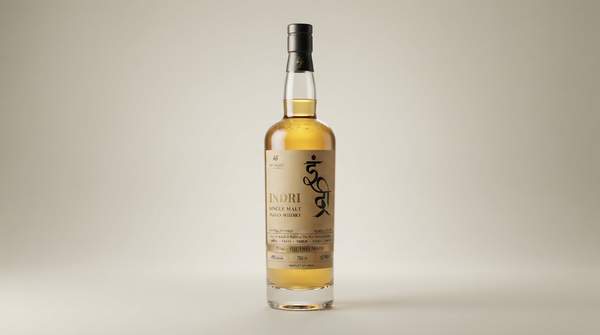
Such thoughtful curation ensures diners receive an elevated sensory experience. The non-alcoholic option contributes meaningfully to the gastronomic journey, transforming dining for those who choose not to drink. This extends the art of pairing beyond traditional spirits, enriching the overall occasion.
The Rise of Sophisticated Alternatives
Curious Elixirs No. 1 boasts significant consumer approval, earning 4.9 out of 5 stars from over 453 reviews, according to Curiouselixirs. This high rating validates the market for premium non-alcoholic options, propelling them beyond niche appeal and into mainstream fine dining.
The New York Times has consistently recognized the brand, featuring it on their Best Non-Alcoholic Drinks list for five consecutive years. This critical acclaim confirms non-alcoholic options are no longer an afterthought. They are a critical component of a restaurant's gastronomic identity, shaping perceptions of modernity and inclusivity.
Such widespread approval and consistent recognition prove premium non-alcoholic options are a recognized, valued category, not a fleeting trend. This market validation empowers restaurants to confidently invest in diverse non-alcoholic programs, knowing a discerning audience exists, eager to engage with and pay for this quality. It expands the very definition of a complete beverage program.
Why Restaurants and Diners are Embracing the Shift
Offering non-alcoholic pairings embraces diverse dietary preferences and restrictions, ensuring all guests feel welcome and valued, as detailed by the importance of alcohol-free pairings for set menus at fine dining establishments. This inclusivity broadens a restaurant's potential customer base, attracting diners previously limited by traditional beverage menus.
Furthermore, premium non-alcoholic pairings can be priced competitively, directly contributing to increased revenue, according to Zepeim. This challenges the old model where non-alcoholic drinks were seen as low-margin items, instead presenting them as a significant new revenue stream that rivals alcoholic options and boosts profitability.
This shift allows restaurants to expand their market, enhance the guest experience through inclusivity, and simultaneously boost their bottom line. By strategically curating these offerings, establishments can cultivate greater customer loyalty and differentiate themselves in a competitive dining landscape, securing a strategic advantage.
Your Questions Answered About Non-Alcoholic Pairings
Can you have mocktails with a tasting menu?
Yes, many fine dining establishments now offer dedicated non-alcoholic tasting menus, often featuring house-made infusions, shrubs, and custom blends. These sophisticated creations are designed to complement each course, elevating the dining experience beyond simple juice or soda.
Do non-alcoholic pairings offer similar profit margins to alcoholic drinks?
Premium non-alcoholic options, such as Curious Elixirs at approximately $12 per bottle, command prices comparable to craft cocktails. This allows restaurants to maintain high-margin revenue streams, fundamentally reshaping profit models for beverage programs.
How can restaurants develop sophisticated non-alcoholic beverage programs?
Developing these programs involves applying the same rigor as alcoholic pairings, focusing on flavor complexity, food-pairing versatility, and ingredient quality, as seen in the ranking criteria for leading brands. This often requires dedicated beverage directors or sommeliers to curate unique offerings that integrate seamlessly with the culinary vision.
The Future of Fine Dining is Inclusive and Innovative
The evolution of non-alcoholic beverages into sophisticated pairings signals a permanent shift towards more inclusive, creative, and profitable dining experiences. This transformation extends beyond mere menu additions, demanding a fundamental reevaluation of how restaurants approach their entire beverage program and guest satisfaction. It challenges the very notion of what constitutes a 'complete' fine dining offering.
The detailed ranking criteria for non-alcoholic cocktail brands, emphasizing Flavor Complexity and Food-Pairing Versatility, suggests the future of fine dining beverage programs lies in curating non-alcoholic experiences with the same rigor and creativity as their alcoholic counterparts. This approach unlocks untapped market potential, allowing establishments to cater to a broader audience while simultaneously enhancing their culinary reputation and appeal. It promises a richer, more diverse gastronomic landscape for all.
By Q3 2026, restaurants that fail to invest in sophisticated non-alcoholic beverage programs, exemplified by brands like Curious Elixirs, risk alienating a growing segment of discerning diners willing to pay a premium for quality. This oversight could lead to missed revenue opportunities and a diminished competitive standing in the evolving gourmet dining sector, underscoring the urgency of adaptation.