The quiet luxury phenomenon, while rooted in the timeless principles of superior craftsmanship and enduring design, is not an enduring style revolution but a cyclical trend now reaching its apex. Its recent, widespread adoption by the mass market, far from cementing its permanence, is precisely the signal that heralds a return to more expressive and individualistic forms of high fashion. The hushed tones and logo-averse aesthetic that have dominated recent seasons are giving way, making room for a new, more vibrant chapter in the lexicon of luxury.
This debate has become particularly salient as we navigate a complex global landscape. Since its notable rise in popularity in 2023, according to a report from The Times, "stealth wealth" has been positioned as an intelligent, sober response to economic uncertainty and a rejection of fleeting, disposable trends. It represented a pivot toward investment dressing, where the intrinsic value of a garment—its fabric, its cut, its longevity—outweighed the social currency of a visible brand name. The question now is not whether these values are important, but whether the minimalist aesthetic that has defined them is the final word in modern elegance or simply a pause before fashion’s next exclamation.
The Allure of Understated Elegance
At its core, quiet luxury is an ode to the art of dressmaking. It is defined by its commitment to expensive but not ostentatious clothing, characterized by meticulous tailoring, high-quality materials, and an understated elegance that whispers rather than shouts. Historically, this stands in stark contrast to the very roots of luxury, a word derived from the Latin 'luxuria,' signifying excess and extravagance. While the logomania of the 1990s and 2000s was a direct descendant of this philosophy, quiet luxury proposes a different paradigm: that the ultimate luxury is anonymity, an insider’s code understood only by those with a discerning eye.
This ethos is masterfully embodied by a new guard of labels that have become synonymous with the movement. As highlighted by Who What Wear, brands like Róhe, Nour Hammour, and the Stockholm-based Toteme have garnered a devoted following among fashion enthusiasts for their impeccably crafted outerwear. Toteme, in particular, is celebrated for its perfectly cut trench coats and tailored jackets, silhouettes so timeless they defy the very notion of seasonal trends. The artistry is in the details: the precise drape of a lapel, the subtle texture of a wool-cashmere blend, the flawless construction that ensures a piece will be cherished for decades. It is a testament to the designer's vision of creating a permanent wardrobe.
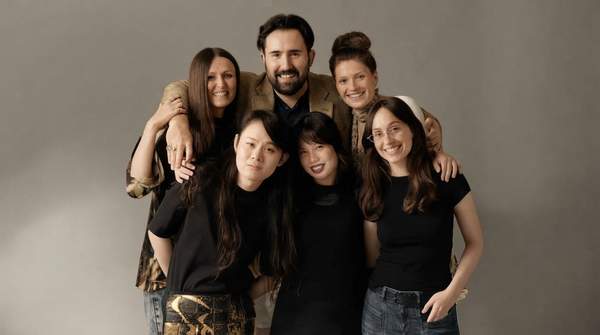
This philosophy of permanence is central to the argument that quiet luxury is more than a fleeting moment. The founders of the brand Tove, in conversation with The Times, articulated this perfectly, viewing quiet luxury not as a trend but as "the ultimate anti-trend, rooted in an ethos of longevity." From this perspective, the movement is a rational and sustainable approach to consumption, encouraging a move away from the relentless cycle of fast fashion and toward a more considered, curated collection of pieces that truly last. It is a compelling and responsible vision for the future of fashion.
The Counterargument: A Whisper Becoming a Bore?
Yet, for all its intellectual and aesthetic appeal, a growing chorus suggests that the reign of beige may be losing its luster. The very uniformity that makes quiet luxury feel safe and sophisticated can also, over time, feel stifling. Fashion, in its purest form, is a medium of self-expression, of joy, and of creative risk-taking. A landscape dominated by neutral palettes and unadorned silhouettes can begin to feel less like a choice and more like a mandate.
This sentiment is gaining traction. Kat Gallaugher, editor-in-chief of Ohio State’s Scarlette Magazine, told The Lantern, “I think quiet luxury is getting tiring, and people want to see more color.” Her observation is supported by the concurrent rise of opposing trends; the same runways and street-style galleries featuring minimalist ensembles are also replete with vibrant colors, vintage apparel, and bold early 2000s-inspired clothing. This stylistic dissonance suggests that the consumer appetite is far from monolithic. While many appreciate the security of a neutral staple, they are also seeking moments of sartorial excitement.
This desire for a new chapter is echoed by industry experts. Stylist Florence Strickland, in a debate for Elite Traveler, reframes the conversation entirely. “Perhaps we should reframe the question,” she suggests, “as one which asks us if we’re ready to break the cozy, quiet luxury mould which so safely cocoons so many of us.” Her words point to a critical truth: quiet luxury, for all its merits, has become a comfort zone. And in fashion, comfort zones are rarely a place of innovation or evolution.
The Mainstream Saturation of Stealth Wealth
The most telling evidence that quiet luxury is cresting as a trend lies in its recent democratization. When an aesthetic built on exclusivity and subtlety is adopted by global mass-market brands, its core identity is inevitably diluted. The phenomenon of "stealth wealth" loses its stealth. This brings us to the recent unveiling of PROJECT PUMA PLUS, a new collection from the sportswear giant PUMA that represents a fascinating case study in the lifecycle of a trend.
Set to launch first in Japan on March 6, the collection, as reported by Highsnobiety, is built around the tagline "wear functional beauty." The pieces feature a muted color palette of earthy browns and khaki greens, flowing cuts, and pointedly minimal PUMA branding. The line even incorporates performance technology like windproof windCELL fabrics, merging the quiet luxury aesthetic with the functionality of sportswear in a manner reminiscent of the "quiet outdoor" trend. While a commercially astute move, PUMA's entry into this space fundamentally alters its meaning. Luxury that is accessible at this scale is no longer a coded language for the elite; it is a mainstream aesthetic.
This marks a significant shift. The very essence of the brands that defined the movement—from heritage houses like Loro Piana and Brunello Cucinelli to newer labels like Toteme—is their relative obscurity to the masses. Their value is derived from their quality and their "if you know, you know" status. When the visual codes of this exclusive club are replicated and sold globally, the trend loses its insider cachet. It becomes another option on the rack, a style to be adopted and, eventually, discarded for the next new thing.
What This Means Going Forward
So, where does this leave us? To predict the death of quiet luxury would be a simplification. The principles it champions—quality materials, impeccable tailoring, and conscious consumption—are not going away. They have been rightfully re-centered in the fashion conversation and will remain the foundation of any truly elegant wardrobe. The investment in a beautifully constructed coat or a perfectly tailored trouser will always be a wise one. What is ending is the dominance of this aesthetic as the sole definition of modern sophistication.
I believe we are on the cusp of a renaissance of expressive, intelligent design. The future of luxury will not be a binary choice between minimalist beige and maximalist logos. Instead, it will be about a more personal and nuanced form of expression. It will be about color, but used with intention. It will be about print, but one that tells a story of artisanal craftsmanship. It will be about unique silhouettes that showcase a designer's daring vision and the technical prowess of their atelier. The "quiet confidence look," as influencer Josefine Meyer described her preference to Elite Traveler, will evolve to include the confidence to be bold.
The legacy of quiet luxury will be its elevation of our standards. It has taught a wider audience to look closer, to appreciate the unseen details, and to invest in pieces with integrity. But its role as a palate cleanser is complete. The stage is now set for a return to a more dynamic and diverse expression of personal style, one that weds the enduring quality championed by the quiet luxury movement with the creativity and individuality that are the very soul of fashion. The whisper was beautiful and necessary, but now, the conversation is ready to begin again, perhaps in a slightly louder voice.


