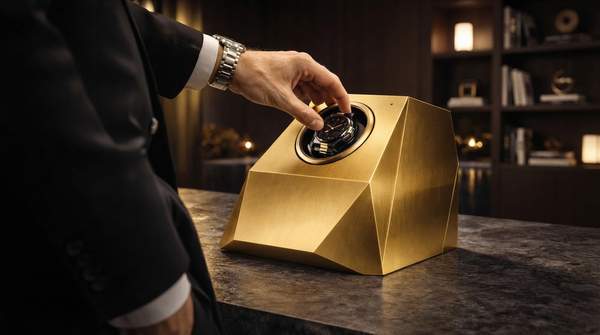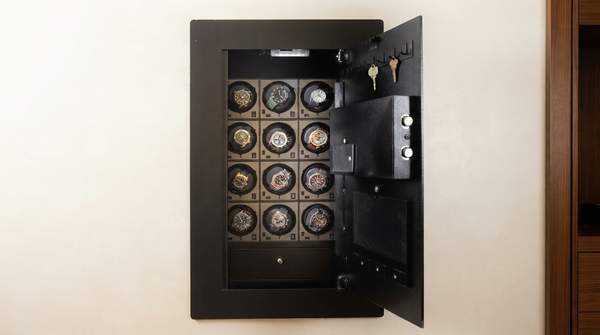
Preserving a luxury watch's condition—and therefore its value—depends on controlling two things: the environment around it and the physical protection around its case and strap. Mechanical timepieces in particular are sensitive to moisture, magnetization, and physical stress, and improper storage can corrode internal components, disrupt movement accuracy, and scratch the case, crystal, or bracelet. The right storage solution is not one-size-fits-all: watch rolls suit travel, padded boxes serve home collections well, and safes answer security concerns—though a sealed safe introduces its own humidity questions that a collector must manage deliberately.
Why Proper Luxury Watch Storage Matters
A luxury watch is a precision instrument whose value rests on its condition. Storage specialists at a UK watch retailer note that mechanical watches are especially sensitive to environmental factors and physical stress, and that improper storage leads to moisture damage through corrosion of internal components, magnetization that disrupts the movement's accuracy, and wear and tear in the form of scratches on the case, crystal, or bracelet.
These risks translate directly into financial consequences. BlumSafe, a safe manufacturer, frames proper storage as essential for maintaining pristine condition and preserving value over time, whether for collectors or for those keeping timepieces for future generations. The stakes are highest for vintage pieces: the horology site Expertyco cautions that vintage watches are especially moisture-sensitive because their seals may have already lost elasticity with age.
The encouraging part is that none of this requires exotic equipment. A cool, dry location away from direct sunlight, a container that prevents watches from contacting each other, and a few routine habits cover most of the risk. The details—exact humidity ranges, temperature bands, and which container to choose—are where collectors can meaningfully refine their approach, and each deserves a closer look.