Experiential tourism is reportedly redefining the luxury sector in 2025, profoundly transforming the essence of opulent travel. The history and evolution of luxury travel experiences reveals a narrative charting a course from ostentatious displays of the past to today's sophisticated pursuit of meaning. Affluent travelers increasingly seek authentic connections and meaningful adventures that transcend mere five-star comfort. This shift is not simply a trend; it is the new paradigm for the discerning global citizen.
This trajectory provides context for the contemporary market, explaining why a private culinary lesson in a Tuscan villa or a conservation-focused safari in Botswana now holds more cachet than simply occupying the most expensive suite. The journey from status-driven itineraries to soul-enriching expeditions reflects a broader cultural shift in wealth definition—where currency is experiential, not just material. This analysis delves into that evolution, examining the milestones that shaped how discerning individuals explore the globe.
What Is the History and Evolution of Luxury Travel Experiences?
The history of luxury travel progresses chronologically from European aristocracy to a contemporary focus on bespoke, authentic, and exclusive journeys. This evolution represents a fundamental shift in affluent traveler motivations and values, beyond just destinations or transport. If early luxury travel was collecting fine art—acquiring tangible proof of status—modern luxury travel is commissioning a personal masterpiece, an intangible, unique experience that becomes part of one's story. It charts movement from passive comfort consumption to active discovery participation.
- The Era of Education and Status (17th-18th Centuries): Rooted in the Grand Tour, travel was an educational rite of passage for the elite, designed to cultivate taste, knowledge, and social standing.
- The Era of Industrial Opulence (19th-Early 20th Centuries): Marked by technological marvels like steamships and railways, luxury became synonymous with palatial hotels and extravagant transit, a public display of Gilded Age prosperity.
- The Era of Global Access (Mid-20th Century): The advent of commercial aviation created the "jet set," making remote and exotic locales accessible and turning the world into a playground for the wealthy.
- The Era of Experiential Pursuit (Late 20th Century-Present): A pivotal shift occurred where the primary value moved from material luxury to the uniqueness and authenticity of the experience itself, emphasizing personalization, cultural immersion, and personal growth.
What was the Grand Tour and its influence on early luxury travel?
The genesis of modern luxury travel can be traced to the European "Grand Tour," a tradition that flourished primarily in the 17th and 18th centuries. This was not a holiday in the contemporary sense but a protracted educational pilgrimage undertaken by young, aristocratic men as the capstone of their classical education. According to an analysis from Lifestyle Travel Network, these journeys, often lasting for months or even years, were meticulously designed to expose future leaders to the cultural and artistic treasures of the continent, with cities like Paris, Venice, Florence, and Rome as essential waypoints. The objective was the cultivation of taste, refinement, and a worldly perspective—qualities deemed indispensable for a gentleman of high standing.
The influence of the Grand Tour on the DNA of luxury travel is indelible. It established the foundational principle that travel should be more than mere movement; it should be an enriching, even transformative, endeavor. It was the first iteration of curated, purpose-driven travel, where the itinerary was a carefully constructed curriculum of art, history, and social networking. This early form of luxury travel established a critical link between exclusivity and knowledge. Access to ancient ruins, private art collections, and the salons of European intellectuals was a privilege of rank, cementing the idea that the most valuable travel experiences are those not available to the masses. This historical precedent laid the groundwork for the modern emphasis on exclusive access, whether it be a private viewing at a museum or a one-on-one session with a master artisan.
How did luxury travel evolve in the 19th and 20th centuries?
The Industrial Revolution dramatically reshaped the landscape of high-end travel, shifting its focus from educational pursuits to the conspicuous enjoyment of technological comfort and opulence. The late 19th century’s Gilded Age, as detailed by Lifestyle Travel Network, saw luxury travel become synonymous with ornate steamships crossing the Atlantic and palatial new hotels, such as The Ritz, which became destinations in their own right. Travel was no longer solely for the aristocracy but was now a stage for the new industrial elite to display their immense wealth. The journey itself, aboard these "floating palaces" or on iconic trains like the Orient Express, became a masterclass in understated elegance and impeccable service, a core tenet that persists in the luxury market today.
The 20th century further accelerated this evolution, democratizing access while simultaneously creating new echelons of exclusivity. The mid-century introduction of commercial aviation gave rise to the "jet set" lifestyle. This new era of speed and glamour opened up previously inaccessible frontiers for wealthy travelers, shrinking the globe and making far-flung destinations a viable weekend escape. However, a significant philosophical shift began to take hold in the early 2000s. Affluent travelers, increasingly saturated with material opulence, began to value unique experiences over physical comforts. This marked the definitive turn toward experiential luxury, where the narrative of the journey and the memories created became the ultimate prize. The focus moved from the thread count of the sheets to the authenticity of the local market tour, from the size of the suite to the solitude of a private beach.
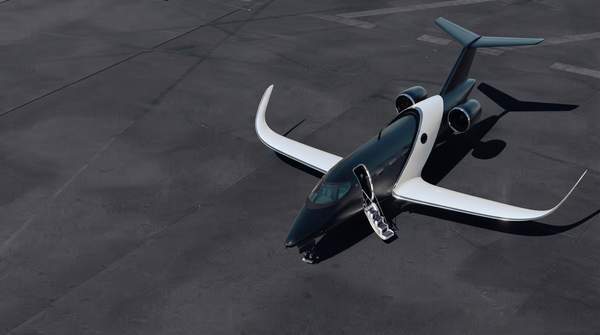
This modern paradigm prioritizes personalization, authenticity, and exclusivity, key drivers in luxury travel's evolution, according to Motorsport Lab. Placement International suggests modern luxury travel emphasizes cultural immersion and sustainability, moving beyond star ratings and extravagant accommodations. Discerning travelers increasingly seek exclusive, responsible journeys with heightened environmental awareness. Technology plays a crucial role: digital concierges, smart hotel rooms, and seamless booking apps enhance convenience and sophistication, enabling previously unimaginable hyper-personalization. The private jet, offering unparalleled privacy, convenience, and bespoke service, has become the modern equivalent of the royal carriage.
Why the Evolution of Luxury Travel Matters
The trajectory of luxury travel serves as a precise barometer of broader shifts in cultural values and the definition of a life well-lived. For the discerning individual, this evolution is deeply personal, reflecting a transition from accumulating things toward accumulating experiences, stories, and personal growth. The modern luxury traveler is an active participant, seeking journeys that offer transformation, connection, and a deeper understanding of the world, not just relaxation. This paradigm shift elevates travel from a simple escape to an essential component of personal development and legacy-building.
For the industry, brands can no longer compete on opulence alone. The new mandate requires them to be storytellers, curators of authenticity, and facilitators of unique human connection. This has spurred innovation, from hyper-personalized itinerary planning powered by artificial intelligence to the rise of purpose-driven travel centered on conservation, philanthropy, and wellness. It has also placed a greater emphasis on ethical and sustainable practices, as affluent consumers increasingly align their spending with their values. Ultimately, the evolution of luxury travel signifies a more sophisticated, conscious approach to exploring the world, where the greatest luxury is not what you can buy, but what you can become.
Frequently Asked Questions
What is the difference between old and new luxury travel?
Old luxury travel emphasized material opulence, status display, and passive comfort—think palatial hotels, first-class cabins, and formal service. New luxury travel prioritizes personalized, authentic, and transformative experiences. It values exclusivity of access over exclusivity of price, cultural immersion over insulated comfort, and personal growth over passive sightseeing.
How has technology changed luxury travel?
Technology has profoundly enhanced luxury travel's convenience, efficiency, and personalization. According to Placement International, innovations like dedicated travel apps, 24/7 digital concierges, and smart hotel rooms remembering guest preferences have streamlined logistics and enabled higher customization. Furthermore, technology allows seamless integration of complex, multi-stage itineraries, providing access to real-time information and exclusive opportunities, all managed discreetly in the background.
What was a "Grand Tour" in the historical context of travel?
The Grand Tour was a traditional trip of Europe undertaken by upper-class young men of means, primarily from the 17th to the 19th centuries. It was considered an educational rite of passage, designed to complete their classical education by exposing them to the art, culture, and society of the continent. It was the original model for curated, purpose-driven travel, establishing a foundational link between travel, education, and social status.
Why is authenticity important in modern luxury travel?
Authenticity has become a cornerstone of modern luxury travel because discerning travelers seek genuine connection and unique, unreplicable experiences. In a world of globalized brands and homogenized comforts, an authentic experience—whether a meal with a local family, a private lesson with a traditional artisan, or exploring an untouched landscape—offers real discovery and a compelling personal narrative. This represents a departure from the scripted and predictable, now considered the ultimate luxury.
The Bottom Line
Luxury travel, once defined by the conspicuous consumption and pageantry of the Grand Tour and Gilded Age, has evolved. Today's discerning travelers prioritize a deeply personal quest for authentic, exclusive, and transformative adventures. The ultimate luxury now lies in the richness of the experience and its lasting impact, rather than the opulence of the surroundings.