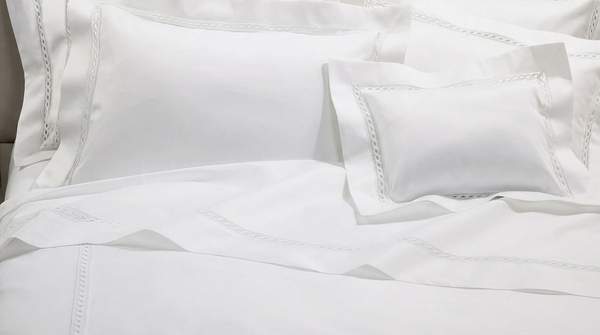
The quiet luxury of a wide-width Lugano sheer, meticulously crafted from a wool and organic hemp blend, now commands significantly more attention in high-end interiors than overtly gilded displays. Textiles valued for their natural composition, subtle drape, and inherent breathability, mark a discernible shift in aesthetic preference, moving towards materials that engage more than just visual appeal. Similarly, wallcoverings woven from 100% Korean raffia, such as those by Kami, exemplify a refined aesthetic that prioritizes intrinsic material honesty and artisanal texture. This choice creates environments that evoke a sense of calm and authenticity, subtly communicating luxury through touch and origin rather than overt ornamentation. This focus on natural, tactile design and texture in luxury interiors for 2026 suggests a profound re-evaluation of what constitutes true opulence, emphasizing a deeper connection to the material world and a more introspective form of indulgence.
Historically, luxury has been defined by visual extravagance, often emphasizing polished surfaces, elaborate ornamentation, and grand, overt displays of wealth designed to impress and signify status. This traditional approach sought to captivate through immediate visual spectacle and clear recognition of high monetary value, often prioritizing rarity, ostentation, and easily discernible brand markers. However, the current trend decisively emphasizes understated, sensory authenticity, moving beyond purely visual appeal to engage the sense of touch, sound, and even subtle scent. This shift aims to evoke deeper, more personal emotional connections with living spaces, fostering an environment of intimate well-being and personal sanctuary rather than grand exhibition. A significant change in consumer values from external validation to internal satisfaction and genuine experience is reflected in the tension between historical grandeur and contemporary subtlety, which forms the core of evolving luxury design.
Based on this growing preference for material honesty, sustainable sourcing, and emotional resonance, luxury interiors are likely to evolve into spaces that prioritize intimate, multi-sensory experiences over superficial displays. This fundamental redefinition of high-end aesthetics challenges designers and brands to innovate in ways that connect with consumers on a more profound, experiential level, moving beyond mere aesthetics to address ethical and psychological desires. A new era of discerning design is signaled where the integrity of materials, the story of their creation, and their contribution to a holistic sense of well-being are paramount, fundamentally reshaping the very essence of luxury living in the coming years and establishing a new benchmark for sophisticated interiors.
The New Language of Luxury: Touch and Texture
The shift towards sensory authenticity extends profoundly to foundational elements within luxury spaces, redefining material selection for 2026 and beyond. Vernazza, a fabric composed of 95-percent cotton, illustrates this preference for natural, breathable textiles in high-end design, marking a clear departure from the once-prevalent synthetic blends that offered visual sheen without tactile depth. A sophisticated consumer desire for comfort, durability, and a tangible connection to natural fibers is reflected in this material choice, influencing the selection of drapery, upholstery, and bedding across contemporary luxury residences. The subtle irregularities and inherent warmth of cotton provide a sensory experience that synthetic alternatives cannot replicate, enhancing the perceived value of the space through its genuine feel and understated elegance, fostering a sense of calm and natural harmony.
This intrinsic material focus aligns with broader 2026 flooring color and design trends, which prioritize warm neutrals, bold accents, and, critically, tactile materials. The embrace of textured flooring, from hand-scraped hardwoods that showcase natural grain to intricately woven carpets with varying pile heights and fiber blends, transforms floors from mere functional surfaces into integral components of the sensory experience. These materials invite interaction, offering subtle variations underfoot that contribute significantly to the overall ambiance and acoustic quality of a room. The deliberate choice of such textures enhances the experiential dimension of luxury, creating environments that feel rich, inviting, and deeply integrated with their surroundings, promoting a sense of groundedness.
An industry-wide redefinition of luxury, moving beyond superficial displays to embrace deeper engagement, is indicated by the prevalence of natural fibers and textured surfaces across both fabrics and flooring. Brands are increasingly investing in research and development to create materials that are not only visually appealing but also offer a rich, authentic tactile dimension, prioritizing genuine material integrity and long-term sensory satisfaction. Luxury is no longer solely about what is seen or what signifies immediate status, but increasingly about what is felt, how materials interact with light throughout the day, and how they contribute to the holistic, lived experience of a space, this evolution suggests. Designers are now tasked with curating environments that speak to a sophisticated appreciation for material integrity, provenance, and the subtle narratives embedded within each chosen element, moving away from purely decorative luxury towards a more profound, sensory engagement with design that elevates everyday living.
This emphasis on the tangible also influences how luxury spaces are maintained and interacted with. Materials like natural cotton and raffia often require specific care, fostering a sense of stewardship and appreciation for their longevity and inherent characteristics. This engagement with the material's lifecycle, from selection to maintenance, becomes an integral part of the luxury experience, differentiating it from disposable or purely aesthetic items. The pursuit of tactile depth ultimately cultivates a more mindful and enduring connection between individuals and their meticulously designed environments, ensuring that luxury is sustained through thoughtful interaction rather than fleeting impression.
Beyond Aesthetics: The Cultural Drivers of Tactile Design
The evolving preferences in luxury interiors are not arbitrary; they respond to deeper cultural, emotional, and functional shifts in how people experience space, according to FloorDaily. Design trends in 2026 are intrinsically linked to a societal yearning for authenticity, well-being, and a more profound connection to the built environment, as highlighted by this comprehensive report. Consumers are increasingly seeking spaces that offer genuine respite, comfort, and a sense of grounding, moving beyond superficial impressions to embrace environments that nurture the individual and promote a sense of inner peace. A broader cultural pivot towards self-care, intentional living, and a desire for environments that support mental and emotional equilibrium is reflected.
Within this context, texture, craft, and material honesty are becoming as important as hue in interior design, reflecting a broader focus on authenticity, sustainability, and emotional intelligence. The provenance of materials, the artisanal techniques used in their creation, and their environmental footprint now significantly influence purchasing decisions for high-end consumers. A market where ethical considerations and a desire for meaningful narratives are intertwined with aesthetic appeal, elevating the perceived value of handcrafted and responsibly sourced items, is signaled. The story behind a material, from its cultivation to its finishing, becomes an integral part of its luxury appeal, adding layers of meaning and personal significance that purely visual attributes cannot provide, fostering a deeper sense of connection and ownership.
Luxury has transcended purely aesthetic considerations to become an ethical and psychological statement, this evolution in design indicates. Consumers are increasingly discerning, favoring brands that demonstrate transparency in their supply chains and a verifiable commitment to sustainable practices. High-end interiors, therefore, function as reflections of personal values, offering a sense of well-being derived from a harmonious blend of beauty, ethics, and emotional resonance. The emphasis shifts from flaunting wealth to fostering genuine connection and a sense of belonging within one’s private domain, creating spaces that feel both luxurious and deeply personal. A maturation of the luxury market is represented by this pivot, aligning opulence with responsibility and a deeper societal consciousness that values integrity above all.
The demand for emotional intelligence in design also implies spaces that adapt to individual needs and moods, offering comfort and flexibility. Tactile elements, such as soft throws, textured rugs, and natural wood finishes, contribute to a sense of psychological comfort and security, creating sanctuaries within the home that act as restorative havens. A significant advancement in how luxury is conceived and delivered is marked by this move beyond purely functional design to emotionally intelligent environments, fostering a deeper, more enduring relationship between individuals and their domestic spaces, transforming homes into personalized retreats.
The Future is Felt: Enduring Value in Sensory Design
The continued demand for exclusive, high-quality materials reinforces the lasting impact of this sensory shift, shaping future market dynamics and the luxury market.evolving role of design professionals in luxury curation.
- Coraggio materials, often featured for their tactile richness, unique compositions, and bespoke qualities, remain available exclusively to the trade, according to Architectural Digest. This exclusivity underscores a foundational commitment to bespoke service and meticulously curated selections within the upper echelons of the luxury sector, ensuring a high level of discernment and acting as a barrier against mass-market imitation, preserving a sense of rarity and craft.
This continued exclusivity for high-quality, tactile materials suggests that discerning taste and expert curation will become even more critical in defining future luxury interiors. Designers now serve as indispensable arbiters of authenticity, guiding clients through a complex landscape of nuanced textures, sustainable options, and artisanal offerings. The ability to articulate the comprehensive story behind a material—its origin, the craftsmanship involved in its production, and its ecological impact—adds immeasurable value to the design process, transforming a space into a narrative of informed, ethical, and sophisticated choices. This elevates the designer's role from merely aesthetic to deeply curatorial and ethically responsible, demanding a profound understanding of material science, cultural context, and consumer psychology.
As the market moves decisively towards authentic and tactile experiences, the role of design professionals in sourcing, evaluating, and integrating these unique materials grows exponentially. This trajectory indicates a sustained demand for materials that offer both profound aesthetic depth and a tangible connection to their origins, fostering environments that are not only visually appealing but also deeply resonant, emotionally engaging, and enduringly luxurious. Luxury brands that can consistently deliver on these promises of integrity, sensory richness, and verifiable sustainability are poised for significant market advantage, while those relying solely on superficial visual extravagance may find their appeal diminishing rapidly by 2026. The future of luxury design favors substance over mere spectacle, rewarding genuine innovation in material and craft that resonates deeply with discerning clientele.
Moreover, this trend implies a greater investment in bespoke and custom design solutions, moving beyond off-the-shelf luxury. With a focus on unique textures and specific material compositions, designers and brands will increasingly collaborate with artisans and specialized manufacturers to create truly individualized elements. This fosters a more intimate and personalized production process, ensuring that each element contributes uniquely to the overall narrative of authenticity and exclusivity. The emphasis shifts from mass production to limited editions and one-of-a-kind pieces, further cementing the value of true craftsmanship and individual expression in the luxury sector, offering a distinct alternative to standardized high-end offerings.
Designing for the Senses: A New Era of Luxury
- The rise of materials like 100% Korean raffia wallcoverings and wool-hemp sheers, as highlighted by Architectural Digest, signals that high-end design is now selling a sensory experience, not just a visual one, forcing designers to prioritize touch and authenticity over ostentatious display.
- As FloorDaily reports, the industry's pivot to 'material honesty' and 'emotional intelligence' reveals that true luxury has become an ethical and psychological statement, challenging brands to prove their sustainability credentials and foster genuine connection, not just flaunt wealth.
- Consumers increasingly seek enduring connections with their living spaces, valuing artisanal craftsmanship and sustainable material producers over purely aesthetic, mass-produced items lacking tactile depth, material integrity, or a compelling story of origin. This shift ensures a more meaningful and lasting engagement with luxury.
The luxury market is recalibrating its definition of value, moving towards an appreciation of intrinsic quality, sensory depth, and ethical provenance. By Q3 2026, leading design houses like Coraggio will likely continue to refine their collections, emphasizing bespoke textures and ethically sourced materials, responding to a sophisticated consumer base that values authentic narratives and lasting emotional resonance over fleeting visual trends. This evolution will solidify tactile design as a cornerstone of modern luxury.