In a world saturated with fleeting trends and conspicuous consumption, how does one define true, enduring style in the home? The concept of quiet luxury home design principles elements has emerged not merely as a fleeting aesthetic but as a resonant philosophy, a shift in the very vernacular of opulence. This approach to interior design is gaining significant momentum, with a forecast from Westlake Royal Building Products™ identifying 'Quiet Luxury' as one of the primary trends expected to shape residential design choices for 2026.
This burgeoning interest reflects a broader societal pivot towards more intentional and considered living. Originating in the world of high fashion, where it signified an appreciation for impeccable craftsmanship and timeless silhouettes over overt branding, 'quiet luxury' has seamlessly translated into the realm of interior design. It champions a refined elegance that whispers rather than shouts, focusing on creating spaces that feel authentic, comfortable, and deeply personal. The ethos rejects the transient in favor of the permanent, valuing longevity and substance above all. It is the confluence of heritage and innovation, a masterclass in understated elegance that prioritizes the sensory experience of a space—the feel of a textile, the patina of aged wood, the quality of light—over ostentatious display.
What Is Quiet Luxury Home Design?
Quiet luxury home design is an interior design philosophy centered on understated elegance, superior quality craftsmanship, and subtle sophistication. It eschews overt branding and trend-driven decor in favor of timeless pieces, natural materials, and a meticulously curated environment that exudes a sense of calm and permanence. Think of it as the architectural equivalent of a bespoke suit; its value lies not in a visible logo but in the perfection of its cut, the quality of its fabric, and the masterful skill with which it was constructed. The luxury is felt and experienced, not merely seen. This approach is less about accumulation and more about intentional selection, creating a sanctuary that is both comfortable and impeccably refined.
At its core, this design movement is built upon several foundational pillars that distinguish it from both minimalism and more traditional forms of luxury. While it shares minimalism's appreciation for uncluttered spaces, it is far warmer and more layered, embracing rich textures and personal objects that tell a story. Unlike conventional luxury, which can sometimes rely on opulence for its own sake, quiet luxury is defined by a profound sense of purpose and restraint. The key components include:
- Understated Elegance: The aesthetic is sophisticated and polished without being ostentatious. It relies on classic silhouettes, balanced proportions, and a harmonious composition.
- Superior Craftsmanship: A deep appreciation for how things are made is central. This includes hand-finished details, artisanal objects, and furniture built to last for generations.
- Timeless Appeal: The design transcends fleeting trends by focusing on classic forms, neutral color palettes, and materials that age gracefully.
- Personal Resonance: A quietly luxurious space reflects the inhabitant's life and values, often through a curated mix of vintage finds, custom pieces, and meaningful art.
What are the core principles of quiet luxury home design?
The philosophy of quiet luxury is guided by a set of distinct principles that inform every choice, from the architectural finishes to the smallest decorative object. These principles ensure a cohesive and resonant environment that feels both elevated and deeply personal. They represent a disciplined approach to design, where every element is chosen for its intrinsic quality and its contribution to an overall atmosphere of serene sophistication.
One of the foremost principles is the use of timeless, honest materials. This involves a commitment to substances drawn from the natural world, celebrated for their inherent beauty and longevity. Think of the veining in a slab of marble, the grain of solid oak, the soft texture of pure linen, or the warmth of hand-tanned leather. These materials are not chosen to be replaced with the next trend; they are selected to evolve with the home, acquiring a rich patina and character over time. The focus is on authenticity—real wood over veneer, natural stone over synthetics. This principle honors the intrinsic value of raw materials, creating a foundational layer of quality that is palpable throughout the space.
Another critical principle is masterful restraint. In an era of excess, quiet luxury finds its power in the art of editing. It is a design ethos where negative space is as crucial as the objects within it, allowing key pieces to breathe and be appreciated. This restraint is not about starkness but about intentionality. As designer Rachel Blindauer notes, "Quiet luxury is where restraint meets resonance." It means resisting the urge to over-decorate, instead focusing on a few exceptional pieces that carry significant weight in form and function. Each item in the room should have a purpose, contributing to a narrative of quality and personal history rather than simply filling a void.
The focus on sculptural silhouettes is equally important. Furniture and decor are selected for their form and structural integrity, often acting as functional art. This can manifest in a sofa with a clean, classic line, a dining table with a unique pedestal base, or a light fixture that makes a subtle yet powerful statement. These are not loud, attention-grabbing designs but rather pieces whose elegance is revealed in their shape, proportion, and masterful construction. They possess a quiet confidence, their quality evident in their very form, creating points of interest that anchor a room without overwhelming it.
Finally, the principle of a subdued, story-led color palette provides the canvas for the entire design. This extends beyond simple beige or white. Quiet luxury palettes are nuanced and layered, often drawing inspiration from the natural world. They consist of warm neutrals, earthy tones, soft grays, and deep, muted colors that create a calming and cohesive backdrop. The "story-led" aspect means the colors are chosen to evoke a specific mood or to complement the architectural elements and natural light of the space. This sophisticated use of color adds depth and warmth, preventing the restrained design from feeling cold or impersonal.
Key elements of quiet luxury interior design
Translating the principles of quiet luxury into a tangible living space involves a meticulous focus on specific elements. These are the building blocks that, when combined with thoughtful curation, create an environment of understated opulence. The emphasis is consistently on quality, tactility, and the seamless integration of form and function, resulting in a home that is as comfortable to live in as it is beautiful to behold.
The foundation of any quiet luxury interior is its quality furnishings. This is where the "buy once, buy well" philosophy is most evident. The approach involves investing in timeless pieces from reputable makers, often featuring classic silhouettes that will not fall out of fashion. This might include a custom-made bed with an upholstered headboard, a solid wood dining table, or a perfectly proportioned sofa. According to a report in Mansion Global, this style is currently booming in high-end markets like the Hamptons, where discerning clients prioritize such enduring quality. The design often incorporates a mix of new, custom, and vintage pieces, which adds a layer of history and personality that cannot be replicated in a showroom.
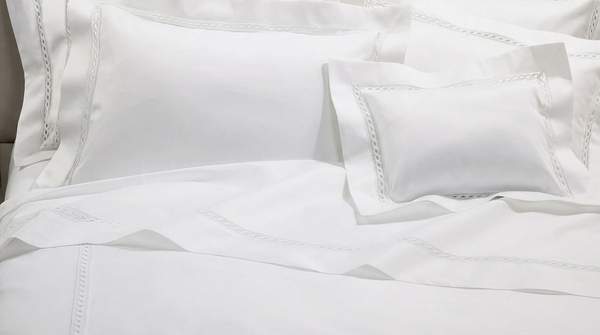
Texture plays a leading role through the use of plush and tactile textiles. In a largely neutral color scheme, texture provides depth, warmth, and sensory interest. This is achieved through the layering of high-quality, natural fabrics. Examples cited by LuxeSource include sumptuous wool-and-silk rugs that feel soft underfoot, cashmere or alpaca throws draped over a chair, and curtains made from heavy linen that diffuse light beautifully. The interplay of different textures—the roughness of a nubby linen pillow against the smoothness of a leather armchair—creates a rich, inviting, and complex environment.
Intentional lighting is another critical element. Lighting in a quiet luxury space is never an afterthought; it is an integral part of the design used to sculpt the room and create a mood. This involves a layered approach that combines ambient, task, and accent lighting. Ambient light provides overall illumination, often from a subtle ceiling fixture or recessed lights on dimmers. Task lighting is functional, such as a well-designed floor lamp for reading. Accent lighting is used to highlight architectural features or artwork. The fixtures themselves are chosen for their elegant forms and quality materials, such as polished metals or hand-blown glass, serving as jewelry for the room.
Finally, the epitome of bespoke luxury is realized through artisanal and personal touches. These are the elements that make a space unique and prevent it from feeling generic. It could be a piece of pottery from a local artist, a collection of books that reflects personal interests, or a stainless-steel-mirror wall sculpture that serves as a focal point. As noted by The Oblist, creating these spaces involves celebrating items with a story and adding artisanal touches. These details infuse the home with the personality of its owner, completing the narrative of a life well-lived.
Why Quiet Luxury Matters
Beyond its aesthetic appeal, the rise of quiet luxury signifies a meaningful shift in consumer values and aspirations. It represents a conscious move away from a culture of disposability and towards a more sustainable and fulfilling way of living. This design philosophy matters because it offers an antidote to the relentless cycle of trends, encouraging investment in quality and longevity. By prioritizing pieces that are built to last, it champions a more responsible form of consumption, reducing waste and fostering a deeper appreciation for craftsmanship. It redefines status not by the logos one displays, but by the quality and intentionality with which one chooses to live.
Furthermore, this approach has a profound impact on personal well-being. A home designed with quiet luxury principles becomes a true sanctuary—a calm, orderly, and comfortable retreat from an increasingly chaotic external world. This is more than just a feeling; there is evidence to support its physiological benefits. According to research cited by designer Rachel Blindauer, the subdued palettes, natural materials, and organic shapes characteristic of this style can help reduce cortisol levels and promote nervous system regulation. In this context, the home is not just a collection of beautiful objects, but a tool for enhancing mental and emotional health. This makes quiet luxury more than an interior design trend; it is a holistic standard for creating environments that nurture and support their inhabitants.
Frequently Asked Questions
What is the difference between quiet luxury and minimalism?
While both quiet luxury and minimalism favor uncluttered spaces and clean lines, they differ in their core focus. Minimalism is primarily about stripping away the non-essential to achieve a state of simplicity, often resulting in a starker, more ascetic aesthetic. Quiet luxury, while also practicing restraint, is fundamentally about warmth, comfort, and richness. It embraces layered textures, high-quality natural materials, and a curated collection of meaningful objects to create an environment that feels both sophisticated and invitingly livable.
How can I make my home look like quiet luxury?
Achieve a quiet luxury look by decluttering your space, retaining only beautiful, functional, or meaningful items. Invest in key pieces of high-quality furniture crafted from solid, natural materials. Build a layered, neutral color palette, introducing depth through varied textures like linen, wool, bouclé, and leather. Upgrade lighting to create a warm, inviting ambiance, and incorporate personal touches such as art, vintage finds, or artisanal objects that tell your story.
What colors are used in quiet luxury design?
The quiet luxury color palette is sophisticated and subdued, drawing heavily from nature. It builds on warm neutrals like ivory, taupe, camel, and soft gray, often layered with earthy tones such as moss green, terracotta, and deep blues. This approach creates a harmonious, calming atmosphere by avoiding jarring or overly bright colors. Nuance is achieved through different shades and tones of the same color family, resulting in a rich, monochromatic look with subtle depth.
The Bottom Line
Quiet luxury in home design prioritizes timeless elegance, impeccable craftsmanship, and personal authenticity over transient trends. Focusing on quality materials, masterful restraint, and a story-led approach, this design ethos creates visually stunning spaces that serve as profound personal sanctuaries, built to endure and enrich for years.