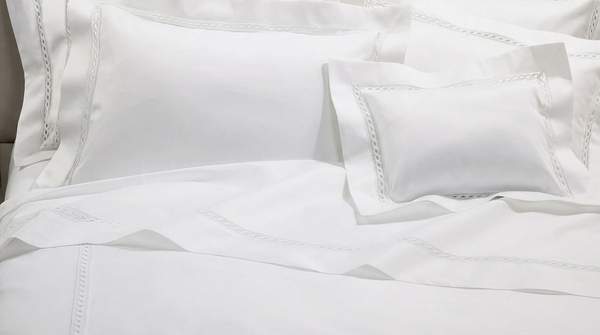
In the exclusive enclaves of the Hamptons, the vernacular of quiet luxury interior design is reportedly booming, its principles of understated elegance shaping multi-million dollar seaside estates. Simultaneously, on digital platforms like Pinterest, mood boards dedicated to the aesthetic proliferate, capturing the aspirations of a global audience. Yet, within the ateliers of leading designers and the pages of trend forecasting reports, a different narrative is emerging for 2026—one that suggests the minimalist, beige-and-boucle iteration of this trend is not just evolving, but being actively supplanted. This apparent paradox signals a pivotal transformation in the luxury home, prompting a deeper analysis of the forces reshaping our definition of opulent living.
The prevailing shift is not a simple rejection of quiet luxury, but rather its sophisticated evolution. The core tenets of quality, craftsmanship, and timelessness remain, but they are being reinterpreted through a lens of greater warmth, personality, and material honesty, moving decisively away from the ascetic purity that first defined the movement. For the discerning client and the brands that serve them, understanding this metamorphosis is paramount.
The Rise of Understated Elegance: A Data-Driven Analysis
The continued relevance of quiet luxury is undeniable, though its expression is in flux. The concept has been identified as a significant force for the coming seasons, with Floor Covering Weekly listing “Evolving Quiet Luxury” as one of eight key interior design trends that will define spring 2026. According to the publication, this new iteration is characterized by a curated blend of color and texture intended to forge a more personalized space. This evolution is unfolding against a backdrop of surging home renovation activity, particularly at the highest echelons of the market. The same report notes a significant increase in high-end kitchen and bathroom projects, with some homeowners investing upwards of $70,000 on luxury bathroom renovations alone. Flooring, a foundational element of any interior scheme, is reportedly the top project, underscoring a foundational focus on quality materials from the ground up.
Within this context, certain materials are seen as the epitome of this evolved luxury. Hardwood, for instance, is described as the “trifecta of color, texture, and quiet luxury” and remains a primary aspiration for homeowners. This preference for authentic, enduring materials provides a tangible link between the trend’s original philosophy and its current manifestation. However, data also points to a clear departure from the aesthetic’s more austere beginnings. According to a report from shopping.yahoo.com, homeowners in 2026 are actively seeking warmer and more “cocooning” spaces. This has led to a marked move away from the once-ubiquitous boucle, beige, and cream upholstery that became synonymous with the initial wave of quiet luxury. The market is clearly articulating a desire for comfort and depth over stark, impersonal minimalism.
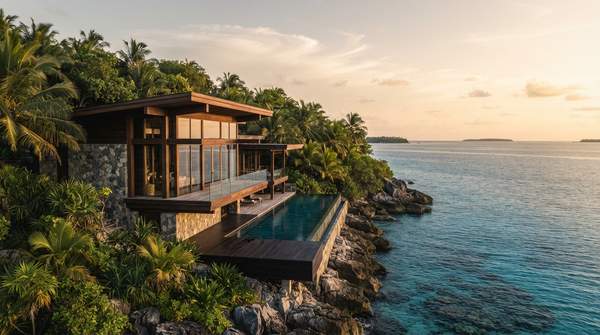
Consumer Preferences Shaping Modern Interior Design Trends
The impetus behind this aesthetic recalibration stems from a confluence of cultural and behavioral shifts. A renewed desire to delineate the home as a sanctuary, distinct from the workspace, has emerged in the post-lockdown era, according to analysis from Who What Wear. This has catalyzed a pivot towards warmer, richer palettes and more character-driven interiors that reflect the occupant's personality and history. The result is the emergence of successor philosophies that build upon, rather than merely replace, quiet luxury’s foundations. Two concepts, in particular, encapsulate this new direction: ‘Warm Minimalism’ and ‘Found Luxury’.
‘Warm Minimalism,’ as a term, suggests a subtle but significant modification. According to shopping.yahoo.com, the transition from quiet luxury to warm minimalism demonstrates a sustained “appetite for materials that look luxurious and also last a long time.” The focus sharpens on the intrinsic quality and sensory experience of materials. The report elaborates that elements like solid timber, natural stone, and plaster introduce a "level of weight and tactile feeling that you simply can’t replicate with their synthetic alternatives." This philosophy champions materials that age gracefully, such as oak, brass, and lime plaster, which develop a rich patina over time. It is a masterclass in understated elegance, where luxury is felt rather than seen.
Parallel to this is the rise of ‘Found Luxury,’ a concept that directly addresses the potential sterility of its predecessor. According to a report in Homes & Gardens, the minimalist underpinnings of quiet luxury are beginning to feel dated because they do not always accommodate “characterful, lived-in spaces.” ‘Found Luxury’ retains the core appreciation for craftsmanship but introduces a crucial layer of individuality. The publication notes that it “prioritizes pieces with history, character, and personal meaning,” effectively shifting interiors from the “perfectly curated to layered, lived-in, and quietly expressive.” This approach favors objects that feel collected over time—inherited, sourced from travels, or chosen for their unique story. It is a move away from a prescribed look towards an evolving interior that reflects a life well-lived, grounded in natural materials that, as the publication aptly puts it, “wear in rather than out.”
Key Elements of Timeless Quiet Luxury Interiors, Reimagined for 2026
The aesthetic manifestation of this evolved quiet luxury is a compelling departure from its minimalist past, characterized by a renewed embrace of materiality, color, and pattern. The movement is defined by an unwavering commitment to authenticity. According to Forbes, there is a strong move toward interiors built around “real materials such as plaster walls, sculptural stone, rich wood tones, and natural textiles,” representing a decisive pivot away from faux stonework and other imitations. This commitment to the genuine article is not merely an aesthetic choice but a statement of value, prioritizing longevity and substance.
This focus on authentic materials is now being paired with a bolder and more expressive application of them. The same Forbes report indicates that statement stone and bold stonework are set to define interior design for spring 2026, marking a clear departure from the quietude of recent years. This includes an embrace of rich, dramatic tones such as burgundy and deep green marbles and quartzites, applied not only to large surfaces but also to fireplace surrounds, furniture pieces, and even lighting fixtures. This represents a significant increase in client confidence. As Who What Wear reports, people are “becoming bolder with their interiors choices,” showing a growing comfort with color, pattern, and statement materials that move beyond traditionally safe or neutral schemes.
This newfound confidence extends to the application of pattern and color on a grander scale. Forbes notes that both “pattern drenching” and “color drenching”—the practice of applying a single pattern or color across walls, trim, and even ceilings—are trending for spring 2026 as designers rediscover the beauty of immersive, layered spaces. This is not a return to chaotic maximalism but a more considered, curated application of expressive elements. It is what one expert, quoted in Who What Wear, describes as an “editorial interpretation of Mother Nature,” where the raw, natural colors of the earth are reintroduced in an elevated, sophisticated manner. The quietness of this new luxury is found not in the absence of color or pattern, but in the coherence and quality of its execution.
What Comes Next
The principles of ‘Found Luxury,’ which champion an evolving, never-truly-finished space, are becoming more entrenched in luxury interior design. This signals a move away from "turnkey" luxury towards homes that are living repositories of personal history and curated acquisitions. The ultimate luxury will be an irreplicable space, its value derived from its unique narrative and the provenance of its contents, reflecting deeper personalization and a philosophical approach to home creation.
Simultaneously, as high-end design pushes further into bespoke and artisanal expressions, the foundational aesthetics of the original quiet luxury movement will continue to disseminate into the broader market. The presence of budget-friendly interpretations, as noted by one MSN report on Walmart’s adoption of the trend, ensures the style’s mainstream longevity. This bifurcation will allow the top end of the market to continue innovating, focusing on rare materials, exceptional craftsmanship, and highly individualized design solutions that cannot be mass-produced.
The preference for natural, durable materials like solid wood over veneers and natural stone over engineered composites reflects both an aesthetic and ethical choice. This emphasis on materials that age with grace aligns with a societal shift towards sustainability and conscious consumption, suggesting the future of luxury living prioritizes permanence. Spaces built to last for generations, using materials that tell a story of the earth and their inhabitants, will become the ultimate expression of wealth.
Key Takeaways
- The trend of quiet luxury interior design is not fading but is undergoing a significant evolution for 2026, shifting away from its minimalist, beige-centric origins toward more expressive and personalized spaces.
- Successor concepts, including 'Warm Minimalism' and 'Found Luxury', are redefining the aesthetic by prioritizing authentic natural materials, tactile surfaces, and objects with personal history and character over stark, curated perfection.
- Consumer preferences are moving toward warmer, more cocooning interiors that feature bolder applications of color and pattern, such as statement stonework in rich hues and "color drenching," reflecting a growing confidence in more characterful design.
- The core principles of quiet luxury—superior craftsmanship, high-quality materials, and longevity—remain central, but are now being applied to create layered, lived-in interiors that are deeply individualistic and built to endure.