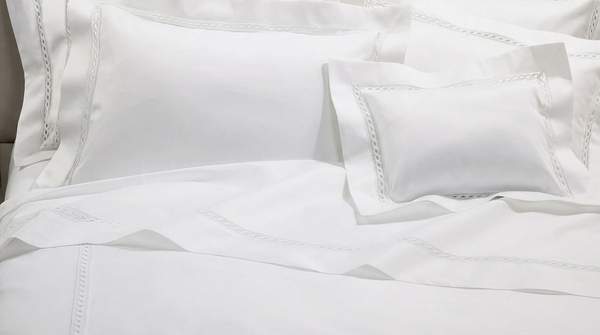
The signature Nancy Meyers home aesthetic, with its ample space and pristine neutrals, projects effortless comfort. Yet, this serene domesticity subtly broadcasts a level of privilege often difficult to maintain, demanding significant resources and meticulous upkeep. This inherent tension defines its enduring appeal and its practical challenges, masking substantial investment behind a visual promise of lived-in immaculate spaces. While a benchmark for aspirational design, its demands for space, light, and upkeep increasingly highlight its exclusive nature.
The Foundational Elements of the Meyers Look
The Meyers aesthetic builds on a foundation of neutrals, featuring slipcovered sofas in white linen or soft beige, as reported by Maisondecinq. This serene palette creates a calm backdrop. Complementing this, elements like fresh herbs, fruit bowls, and curated book stacks, noted by Jane-athome, craft an illusion of lived-in comfort. These seemingly casual natural touches are, in fact, deliberate choices, essential for projecting the style's tranquil and inviting atmosphere.
Mastering the Layered Look: Texture and Pattern
Layered rugs—jute, seagrass, wool, or cotton—over wood floors are central to the Meyers style, adding textural depth, Maisondecinq confirms. While main furniture favors subtle patterns, throw pillows often mix florals and other designs, creating curated complexity. This sophisticated interplay prevents the neutral palette from appearing stark, instead achieving signature warmth and inviting depth. True elegance, it implies, lies in subtle, deliberate contrasts, not overt statements.
Aspiration vs. Reality: The Cost of Effortless Style
Meyers interiors evoke an elevated comfort, calm, and collected feel, according to Jane-athome. Yet, this perceived ease carries substantial practical demands. The Guardian notes that these spaces, defined by ample room, natural light, and neutral colors, inherently speak of privilege and are difficult to maintain. The 'effortless' aesthetic is thus a costly illusion, contingent on resources few possess. Companies marketing this style perpetuate an exclusionary, resource-intensive standard of domesticity, rather than delivering attainable comfort.
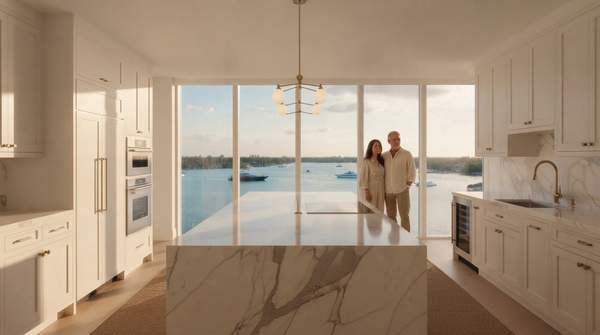
The Enduring Allure of the Nancy Meyers Home
The enduring popularity of the Nancy Meyers aesthetic reflects a deep desire for comfort, beauty, and effortless sophistication. This aspirational style taps into a yearning for domestic tranquility and a well-ordered life. The Guardian highlights its core elements: 'ample space, light, and neutral colors.' A societal desire for calm domesticity is revealed, paradoxically sustainable only for those with the privilege to afford its constant upkeep and generous spatial requirements. The allure lies in a lifestyle appearing both grounded and luxurious.
Common Questions About the Nancy Meyers Style
Where to buy slipcovered furniture for a cozy aesthetic?
Many high-end home furnishings retailers offer linen or cotton slipcovered sofas and chairs that align with the Nancy Meyers aesthetic. Brands like Pottery Barn and Restoration Hardware frequently feature pieces with the relaxed yet refined look, often in washable fabrics. Checking independent furniture makers specializing in custom upholstery can also yield suitable options.
What types of lighting fixtures characterize Nancy Meyers interiors?
Nancy Meyers interiors often feature a mix of task and ambient lighting, prioritizing natural light whenever possible. Fixtures typically include classic table lamps with linen shades, understated floor lamps, and sometimes elegant chandeliers or pendants with a vintage or European feel, often in brass or antique finishes. The emphasis remains on warm, inviting illumination rather than stark, modern designs.
What role do natural materials play beyond slipcovers in the Nancy Meyers aesthetic?
Beyond linen slipcovers, natural materials are fundamental to the Nancy Meyers aesthetic, contributing to its organic and timeless appeal. Elements such as unpolished wood furniture, marble countertops, sisal or jute rugs, and woven baskets are frequently incorporated. These materials add texture and warmth, grounding the light and airy spaces with an earthy authenticity.
The Nancy Meyers aesthetic, despite its inherent exclusivity, will likely continue to influence design trends, particularly as brands adapt its core principles of comfort and natural elegance into more attainable, lower-maintenance interpretations for a wider market.