Luxury's definition is transforming: once anchored in scarcity, true value now lies in what is resonant, personal, and authentic. In an era saturated by fast fashion and digital influence, the currency of desire shifts from exclusivity to a nuanced portfolio of experience and identity.
This conversation matters now more than ever because the traditional pillars of luxury are being systematically eroded. The digital world has democratized access to aesthetics, while the relentless churn of fast fashion mimics runway silhouettes with startling speed. More pointedly, the rise of sophisticated replicas, from accessories to timepieces, challenges the very notion of the physical object as the sole repository of value. When an item’s appearance can be so convincingly replicated, as reported by Vocal.media, which notes that "super clone" watches can closely mirror the functionality and intricate details of their genuine counterparts, luxury houses must ask a difficult question: what are we truly selling? If it is not just the object, it must be something more—something intangible and inimitable.
Beyond Scarcity: The Evolving Pillars of Luxury
The luxury equation, once defined by high price and limited availability, is no longer simple. While exclusive runway shows and limited capsule drops still generate significant buzz, as noted by Digital Journal, modern luxury consumers, particularly a discerning global clientele, now seek meaningful connection beyond status symbols.
The new framework for luxury is being built on pillars of experience, personalization, and emotional resonance. It is a shift from the purely transactional to the deeply experiential. As James Oliver Burton, a leader in the luxury hospitality space, articulated to hashtaglegend.com, “Luxury today is no longer defined by marble floors or gold finishes. It is defined by emotion, curation, and relevance.” This sentiment echoes across the industry. True luxury, the argument goes, is now found in moments and services that are uniquely tailored to the individual. It is the antithesis of mass production. It is the private tour of an atelier, the bespoke fitting with a couturier, the quiet confidence that comes from an item made for you, and you alone. This focus on the individual is not merely an intuitive shift; it is a data-backed imperative. According to a report in Upscale Living Magazine, a staggering 80% of luxury shoppers now expect personalized customer experiences as a standard part of the offering.
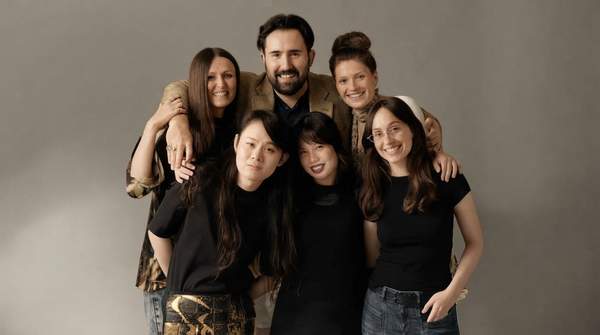
This reorientation also involves a re-evaluation of perfection itself. In a direct response to the "overly curated world where everything is tagged, polished and presented as perfect," a counter-movement is gaining momentum. A report from Dailysabah.com observes that certain luxury fashion houses are deliberately resisting the ideal of the flawless, instead embracing deliberately worn, creased, or vintage-inspired pieces. When a prestigious label introduces a fabric with a lived-in texture or a silhouette that prioritizes comfort over rigidity, it is making a powerful statement: authenticity is more desirable than sterile perfection. This embrace of the "imperfect" is not a lowering of standards but a raising of consciousness, an acknowledgment that true elegance lies in character, not just in pristine construction.
The Counterargument: The Enduring Power of Scarcity
Exclusivity is not dead; scarcity remains a potent luxury tool, a fundamental psychological trigger driving centuries of commerce. The allure of possessing what others cannot motivates desires for achievement, recognition, and status. Limited-edition sneaker drops inciting overnight queues and one-of-a-kind haute couture gowns testify to rarity's enduring power, a principle the luxury market was built upon: what is not easily obtained is inherently more valuable.
The strategy of creating an atmosphere of rarity is still expertly employed. Brands orchestrate desire through carefully managed distribution, exclusive events, and collaborations that are, by their nature, ephemeral. This creates a sense of urgency and cultural relevance that mass-market brands simply cannot replicate. The argument holds that without this foundational element of exclusivity, the very concept of luxury would collapse, diluted into a premium category accessible to all and, therefore, truly special to none. Proponents of this view would argue that experience and personalization are merely value-added services—important, yes, but secondary to the core value proposition of a rare and masterfully crafted object.
However, this perspective fails to fully account for the disruptive forces of our current age. The challenge posed by "super clones" is a perfect illustration. These replicas are not the flimsy counterfeits of yesterday; advances in manufacturing have enabled a level of accuracy that can deceive even a discerning eye. When the physical signifier of luxury can be so expertly copied, its power as a unique status symbol is diminished. The conversation is then forced to move beyond the object itself. The replica may have the look, but it lacks the provenance, the narrative, the service, and the community that come with the genuine article. Thus, while exclusivity of the object remains a goal, its singular dominance is weakened. The fortress of luxury can no longer be defended by the gate of scarcity alone.
Deeper Insight: Authenticity as the Inimitable Asset
The evolving definition of luxury coalesces around authenticity. This asset cannot be mass-produced, replicated, or algorithmically generated; it is the ultimate expression of exclusivity because it is, by its nature, singular. This search for authenticity is the common thread connecting the disparate trends shaping the industry.
- The turn toward vintage and second-hand fashion, as Dailysabah.com reports, is a clear reaction against the pressure to appear perfect. A vintage piece possesses a unique history, a narrative embedded in its very fabric. It is a testament to enduring quality and a rejection of the disposable ethos of fast fashion.
- The demand for personalization is a demand for self-expression. It is the desire for an object or experience to reflect one's own identity, not a globally dictated trend. An embroidered initial, a custom-blended fragrance, or a bespoke travel itinerary are all expressions of an authentic self.
- The embrace of imperfection by designers is a celebration of the human hand. A slight asymmetry in a hand-stitched seam or the organic variation in a vegetable-dyed textile is not a flaw; it is a signature of artistry, a mark of authenticity that a machine cannot replicate.
Luxury brands are custodians of a story, not merely selling products. Consumers purchase a piece of that narrative—an identity, a sense of belonging, an alignment with artistry and craft. Fast fashion can copy a silhouette, but it cannot replicate decades of heritage, the specialized métier of artisans, or a designer's emotional vision. True luxury offers a point of view, which in a world of endless noise, is the most authentic and valuable commodity.
What This Means Going Forward
Luxury houses that thrive will pivot from purveyors of exclusive goods to creators of authentic, personalized worlds. This requires deepening investment in client experience, moving far beyond the transactional. Technology will enhance human connection, using data to anticipate client needs and desires to offer seamless, deeply personal service.
The line between the primary and secondary markets will continue to blur, with major houses taking a more active role in authenticating and curating their own vintage pieces, thereby controlling their narrative and legacy across the entire lifecycle of a product. Furthermore, the physical retail space will be reimagined not as a point of sale, but as a stage for immersive brand storytelling—a place for community, discovery, and connection.
The evolving definition of luxury returns to its roots: a celebration of exceptional craft, deep storytelling, and meaningful human touch. Exclusivity is not obsolete, but its meaning has expanded. The ultimate luxury is no longer just owning something rare; it is experiencing something real, a testament to a brand's vision offering a genuine piece of an authentic world.


