Haute couture, the most rarefied tier of fashion, is quietly undergoing a material revolution. Designers such as Iris van Herpen and YUIMA NAKAZATO have already sent garments made from Brewed Protein™, a fermented protein fiber, down haute couture runways, while advanced plant-based fibers like Lyocell are being positioned as sustainable alternatives to silk in fine tailoring. The result is a new taxonomy of luxury materials: bio-fabricated proteins grown in bioreactors, and innovative plant-derived fibers and leather alternatives produced through closed-loop or agricultural processes.
The Rise of Sustainable Luxury in Haute Couture
Traditional luxury textiles—silk, cashmere, animal leather—carry significant environmental costs, and leather in particular has been described by sustainability writers as one of the least sustainable of the classic fashion materials. Against this backdrop, the haute couture industry is described by tailoring specialists as witnessing significant evolution through the adoption of innovative materials and advanced technologies that promote sustainability. What distinguishes the current moment is that these materials are no longer conceptual experiments. As fashion education reporting on biotech textiles has noted, recent designer collaborations "are not mere conceptual gimmicks; they represent a deep shift in luxury fashion."
The shift matters because haute couture functions as fashion's laboratory. A material proven on a Paris runway carries a signal of aesthetic and technical viability that few other platforms can confer, and the materials now appearing there span an unusually wide range of scientific approaches.
Bio-Fabricated Innovations: Lab-Grown Proteins and Beyond
The most technologically ambitious category is the bio-fabricated protein fiber. Spiber, a Japanese biotech company, produces Brewed Protein™ through a proprietary fermentation process using plant-derived raw materials—primarily sugars sourced from sugarcane certified under the Bonsucro sustainability platform. Reporting on biotech fashion explains the underlying technique: microbes are genetically engineered to produce spider silk proteins through fermentation, and those proteins are cultivated in bioreactors and spun into high-performance, biodegradable fibers.
According to Spiber's own material documentation, Brewed Protein™ fiber is designed at the molecular level and combines characteristics reminiscent of cashmere, wool, and silk. The company states that it reduces greenhouse gas emissions and water use in the fiber-manufacturing stage compared with conventional cashmere, and claims it is the only protein fiber defined under ISO standards that can be produced at industrial scale through precision fermentation. Industry reporting adds that Spiber operates a fermentation plant in Thailand and fiber-spinning operations in Japan, with plans to scale beyond 1,000 tonnes per year and, by 2026, to use only non-edible, renewable inputs.
Advanced Plant-Based Alternatives: Rethinking Natural Fibers
A second category reimagines plant matter as luxury textile. Lyocell, a fiber produced from cellulose often derived from eucalyptus, is made in a closed process that recycles almost all solvents and water. Tailoring specialists describe it as soft, absorbent and durable—qualities suited to high-quality garments—and note that its versatility and luxurious drape make it a sustainable alternative to traditional silks and fine cottons in haute tailoring. Organic flax, grown without pesticides or chemical fertilizers, is likewise cited for its strength, moisture absorption and refined aesthetics.
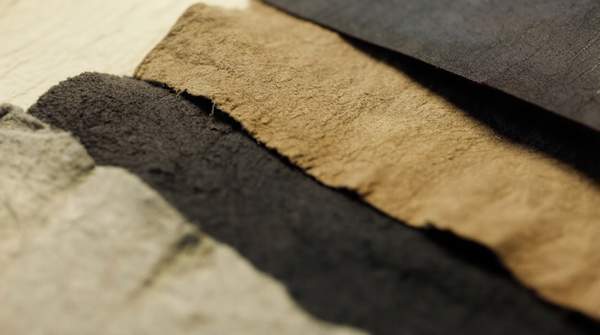
Leather alternatives extend the plant-based approach. Piñatex, a material fashioned from pineapple leaves and wood pulp, is described by sustainability educators as one of the leading leather alternatives, while mycelium—the root structure of fungi—is crafted from fungal biomass and considered one of the closest comparisons to animal leather, though with acknowledged limitations. Notably, the available reporting documents these materials' development and adoption in fashion broadly, but does not yet tie them to specific haute couture collections.
Comparative Overview of Sustainable Luxury Materials
The table below aligns each material with its source, production method and documented high-fashion application, distinguishing confirmed couture use from broader fashion adoption.
| Material Category | Specific Example | Source & Production Method | Known Haute Couture Application |
|---|---|---|---|
| Bio-fabricated protein | Brewed Protein™ (Spiber) | Plant-derived sugars (Bonsucro-certified sugarcane); genetically engineered microbes produce spider silk proteins via fermentation in bioreactors, spun into high-performance biodegradable fibers | Iris van Herpen and YUIMA NAKAZATO haute couture collections, including van Herpen's AW25 bridal design |
| Advanced plant-based fiber | Lyocell | Cellulose, often from eucalyptus, produced in a closed-loop process recycling almost all solvents and water | Cited as suitable for haute tailoring as an alternative to traditional silks and fine cottons |
| Plant-based leather alternative | Piñatex | Pineapple leaf fibers and wood pulp | Documented as a leading leather alternative in fashion; no specific haute couture application documented |
| Fungal leather alternative | Mycelium | Fungal biomass | Described as one of the closest comparisons to animal leather; no specific haute couture application documented |
Haute Couture Designers Leading the Sustainable Charge
The clearest couture case study is Iris van Herpen's work with Brewed Protein™. Reporting on biotech fashion records that Spiber created a haute couture piece with van Herpen, who used the Brewed Protein™ material, and that Bolt Threads, another biotech firm engineering microbes to produce spider silk proteins, collaborated with Stella McCartney and Adidas. YUIMA NAKAZATO has likewise shown Brewed Protein™ garments at Haute Couture Week for Fall/Winter 2024–2025, according to industry coverage of the fiber.
What these collaborations demonstrate is that bio-fabricated materials can hold their own at fashion's highest technical standard. Van Herpen's AW25 bridal gown, made with Brewed Protein materials, was described by FashionUnited's Simone Preuss as seamlessly blending structure and fluidity—merging technical precision with artistic expression rather than serving as a novelty statement.
The Aesthetic and Creative Potential of New Materials
The creative argument for these fibers goes beyond ethics. In coverage of the van Herpen collaboration, the stated design goal was to explore how Brewed Protein materials could support "forms that are both structurally refined and fluid in motion, balancing technical precision with a poetic, almost ethereal aesthetic." That combination—structure and fluidity in a single fiber—opens silhouettes that traditional materials struggle to achieve.
Spiber frames the ambition in systemic terms, stating that its work is driven by a belief that "biotechnology can be a powerful force for good, helping to reshape global industries, reduce environmental impacts and create a more sustainable and inclusive future." For designers, the practical appeal is more immediate: fibers that evoke cashmere, wool and silk simultaneously, produced without animals, and with a reduced environmental footprint in the manufacturing stage.
Embracing Innovation for a Sustainable Future in Haute Couture
Haute couture designers are increasingly adopting bio-fabricated and advanced plant-based materials to create sustainable, innovative collections. The evidence base is strongest for fermented protein fibers, which have documented couture applications with named designers, while plant-based leather alternatives remain at the broader fashion stage. Readers can track the trend through the continued presence of bio-fabricated and advanced plant-based materials in future haute couture collections and fashion week showcases—a visible, verifiable indicator of whether this material shift endures.
Sources
- Brewed Protein™ Fiber: A Game-Changer in Sustainable Textiles — SMART FASHION
- Sustainable Fabrics in Haute Tailoring: An Essential Guide — Sartoria Litrico
- Biotech Fashion: The Future of Sustainable Luxury Textiles — ISTITUTOMARANGONI
- Sustainable Fashion Materials: From Recycled Fabrics to Organic Textiles — RMCAD
- Spiber.inc
- When fashion meets protein fibres: “Biotechnology can be a powerful force for good” — FashionUnited