Luxury Fashion

Reports Suggest Quiet Luxury Trend Faces Shift Toward Practicality

A reported shift towards elevated basics and away from trend-chasing is occurring in the global fashion landscape in early 2026, potentially challenging the quiet luxury trend. This movement stems from consumer fatigue with perpetual change, emphasizing practicality and layering.

VL
Victoria Laurent

April 1, 2026 · 4 min read

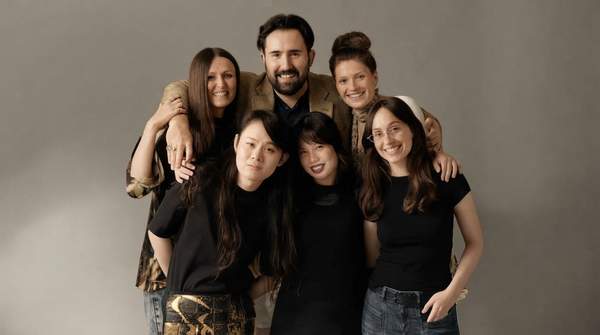
Models showcasing elevated basics and practical layering in a minimalist urban setting, reflecting the shift away from traditional quiet luxury towards functional elegance.

A reported shift towards elevated basics and away from trend-chasing is occurring in the global fashion landscape in early 2026, a development that presents a potential challenge to the long-term momentum of the quiet luxury trend.

This movement gains significance as it appears to stem from a reported fatigue with the fashion industry's established model of perpetual change. The immediate consequence, as noted in early observations of the season, is a distinct emphasis in Spring 2026 fashion on practicality and layering. This approach encourages building upon existing winter pieces with transitional outerwear, rather than advocating for a complete seasonal wardrobe overhaul, a departure from conventional consumption patterns in the luxury market.

What We Know So Far

  • A shift toward elevated basics and a move away from trend-chasing is reportedly taking place in the global fashion sphere in early 2026, according to a report from easternherald.com.
  • The emerging focus for Spring 2026 fashion reportedly emphasizes layering and practicality, with a strong focus on utilizing transitional outerwear to extend the life of existing wardrobes.
  • The same report notes a growing fatigue among consumers with the historical industry model that relies on constant seasonal change and the pressure to acquire new items.
  • The concept of 'uniform dressing' is reportedly gaining visibility, a philosophy that prioritizes efficiency and confidence through the consistent use of a curated set of functional pieces.
  • An essay by Grace O’Neill Dougherty for Marie Claire was cited in the report as an example of this sentiment, reflecting a personal move toward consistent, utilitarian pieces over seasonal novelty.

Challenges to Quiet Luxury's Longevity

While the quiet luxury trend has been defined by its understated elegance and investment-worthy pieces, its status as a dominant 'trend' may be tested by a deeper, more foundational shift in consumer mindset. A report from easternherald.com indicates a growing weariness with the very concept of a trend cycle, which has long been the primary engine of the fashion industry. This reported fatigue suggests a move toward a more personal and sustainable approach to style, one that is less concerned with aligning to a specific, of-the-moment aesthetic, even one as refined as quiet luxury.
This sentiment is reportedly crystallizing around the concept of 'uniform dressing'. According to the same source, this philosophy is not about monotony, but rather about cultivating a signature look built from a core of functional, high-quality pieces that inspire confidence and efficiency. By its nature, this approach resists the seasonal churn. It prioritizes personal style and practicality over the adoption of new silhouettes, color palettes, or brand-specific identifiers each season. The focus shifts from "what's new" to "what works," a subtle but significant reordering of priorities for the discerning consumer.

The report pointed to cultural commentary, such as an essay by Grace O’Neill Dougherty, as reflecting this evolving perspective. The decision to embrace consistent, utilitarian garments rather than chasing novelty as a new season approaches illustrates a conscious uncoupling from the industry’s traditional calendar. This perspective suggests a desire for clothing that serves a practical and emotional purpose beyond its temporary relevance in the fashion landscape, posing a challenge to any aesthetic that operates primarily as a trend.

Is Quiet Luxury Sustainable as a Trend?

The practical manifestations of this reported shift are becoming apparent in the direction for Spring 2026. The focus is said to be on intelligent layering and versatile, transitional outerwear. "A lot of spring is really about having an array of great jackets," easternherald.com reports, signaling a move towards pieces that add functionality and longevity to a wardrobe. This approach inherently values seasonless utility over seasonal statements, allowing consumers to adapt and build upon their existing collections rather than replacing them.

This methodology directly supports a more considered form of consumption. By emphasizing pieces that bridge the gap between winter and summer, the reported Spring 2026 ethos encourages a slower, more thoughtful engagement with fashion. It aligns with broader conversations around sustainability by promoting the extended use of garments and reducing the perceived need for constant newness. The value proposition is centered on versatility and endurance, qualities that resonate with a desire for both economic and environmental prudence.

While quiet luxury champions high-quality, timeless basics, the reported movement toward 'uniform dressing' and extreme practicality may represent a subtle evolution. The former can still be interpreted as a specific aesthetic to be purchased into, a "look" defined by logoless cashmere and perfectly tailored trousers. The latter, however, appears to be a more deeply personal philosophy of dressing, one that prioritizes function, familiarity, and individual expression over adherence to any externally defined trend, no matter how discreet.

What We Know About Next Steps

Spring 2026 collections will show how leading fashion houses interpret the reported shift in consumer sentiment. The question is whether designers will embrace elevated basics and practical layering or present a counter-narrative. No official timelines or specific collection themes have been announced, so the industry anticipates how these attitudes will be reflected on the runway.