Luxury Fashion's 2026 Reckoning: Sustainable Practices Clash With Consumption

Between 264,000 and 594,000 tonnes of textiles are destroyed before sale in Europe each year, according to MUD Jeans .

VL
Victoria Laurent

April 15, 2026 · 3 min read

A high-fashion runway show where luxurious garments are transforming into textile waste, symbolizing the clash between consumption and sustainability.

Between 264,000 and 594,000 tonnes of textiles are destroyed before sale in Europe each year, according to MUD Jeans. This staggering waste exposes a fundamental flaw within the luxury fashion industry's current operational model. Products are discarded, never reaching a consumer.

The luxury fashion industry increasingly markets sustainable alternatives and practices. Yet, the sheer volume of production and the hidden environmental costs of many 'eco-friendly' materials continue to drive an unsustainable model. The sheer volume of production and hidden environmental costs of many 'eco-friendly' materials highlight a profound disconnect between stated intentions and actual impact.

Companies that fail to fundamentally rethink production volumes and material sourcing beyond superficial greenwashing will likely face increasing regulatory pressure and consumer backlash. Those embracing genuine circularity and craftsmanship, however, will redefine luxury.

The Looming Regulatory Reckoning

Starting July 19, 2025, large enterprises must publicly disclose the volume of unsold consumer products they discard annually, according to Browzwear. The impending transparency from large enterprises publicly disclosing the volume of unsold consumer products they discard annually signals a significant shift for the luxury sector. Disclosures will illuminate the industry's waste.

Further strengthening oversight, by July 19, 2026, it will become illegal for large enterprises to destroy unsold textiles and footwear, Browzwear reports. These European Union directives will force a reckoning with overproduction that current material swaps alone cannot solve. They directly confront the staggering 264,000 to 594,000 tonnes of textiles currently destroyed annually, as noted by MUD Jeans.

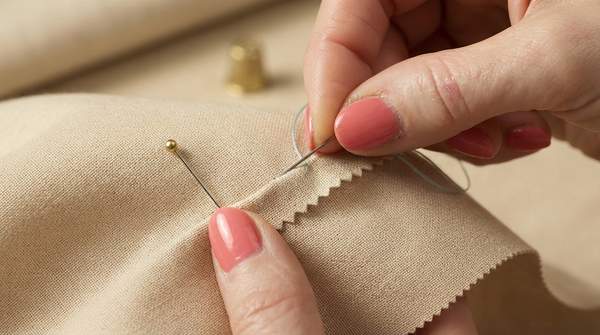
While regulations mandate change, some brands already commit to ethical production. Safia Minney’s new label, Indilisi, utilizes heritage crafts such as handweaving and hand embroidery with GOTS-certified organic cotton and no-plastic fastenings, according to WWD. Safia Minney’s new label, Indilisi, utilizing heritage crafts such as handweaving and hand embroidery with GOTS-certified organic cotton and no-plastic fastenings, demonstrates a viable alternative, prioritizing both craft and ecological integrity.
The True Cost of Fast Fashion's Footprint

  • 26 percent — The fashion industry's current production churn risks increasing its share of global carbon emissions to 26 percent by 2050, according to WWD. The fashion industry's current production churn risking increasing its share of global carbon emissions to 26 percent by 2050 underscores the urgent need for systemic change.
  • 75 to 95 percent — To return to a 'safe operating space,' fashion production must shrink by 75 to 95 percent, also reported by WWD. Fashion production needing to shrink by 75 to 95 percent reveals the inadequacy of incremental adjustments.

These figures reveal the catastrophic environmental trajectory of current production levels. Radical reduction in output is needed to avert climate disaster, far beyond incremental changes in material sourcing.

Beyond Greenwashing: The Pitfalls of 'Sustainable' Materials

Material TypeComposition IssueEnvironmental ImpactTypical Lifespan
Plant-based Vegan LeatherOften contains plastic resins binding plant fibersSheds microplastics when surface cracks; difficult to recycle due to mixed materialsAs little as two years, breaking down sooner than traditional leather
Traditional LeatherAnimal hideResource-intensive production, tanning chemicalsSignificantly longer than some vegan alternatives

Source: The Conversation

Many plant-based vegan leather alternatives are made with plastic resins to hold plant fibers together, making them mixed materials that cannot be easily recycled, according to The Conversation. The composition issue of many plant-based vegan leather alternatives being made with plastic resins leads to further environmental concerns. When the surface of PU-coated vegan leather cracks or peels, it sheds microplastics into the environment, as also reported by The Conversation.

Furthermore, some plant-based vegan leather products have reported lifespans of as little as two years, breaking down sooner than traditional leather, The Conversation states. The short durability of some plant-based vegan leather products directly contradicts the premise of sustainability. Companies investing in these 'eco-friendly' material innovations without addressing their plastic content and short lifespans are not only greenwashing but also creating new environmental problems, trading one form of pollution for another.

Redefining Luxury: Craftsmanship vs. Consumption

A fundamental shift towards craftsmanship offers a new kind of luxury. This approach inherently slows production due to its labor-intensive nature, according to WWD. Such methods also carry a significantly lower-carbon footprint compared to industrial manufacturing.

This model redistributes wealth more effectively, fostering skilled artisans and local economies. True luxury, exemplified by craftsmanship, offers a radical path to sustainability. True luxury, exemplified by craftsmanship, offering a radical path to sustainability, stands in stark contrast to the industry's current unsustainable churn, a trajectory risking 26% of global carbon emissions by 2050, as highlighted by WWD.

Brands prioritizing genuine ethical production and circularity stand to gain consumer trust and long-term viability. Conversely, those relying on greenwashing or superficial sustainability claims will likely lose market share and face increasing scrutiny. Ultimately, discerning consumers will gravitate towards brands demonstrating genuine ethical production.

The luxury sector, if it fails to move beyond superficial material swaps and embrace radical reductions in production and genuine circularity, will likely find its prestige diminished by both regulatory pressure and a discerning consumer base.