Black-Tie Event Dress Code: Rules & Expectations

At a black-tie event, even footwear like boots must adhere to strict dark shades of black or very dark brown, according to Otaa .

CP
Charles Pembroke

June 6, 2026 · 4 min read

A sophisticated couple in elegant black-tie attire at a glamorous, softly lit ballroom gala, embodying timeless style and exclusive celebration.

At a black-tie event, even footwear like boots must adhere to strict dark shades of black or very dark brown, according to Otaa. Such granular expectations demand meticulous attention from guests navigating exclusive social events in 2026, where sartorial precision extends beyond main garments.

Formal dress codes appear straightforward, yet their subtle complexities and unspoken expectations often lead to confusion. This tension arises because apparent clarity belies a deeper layer of traditional rules and precise, almost ritualistic adherence to specific sartorial codes.

Navigating these events successfully increasingly relies on diligent research and direct communication. A misstep, no matter how small, can signal disrespect for the occasion and its hosts, potentially excluding individuals from future invitations. Therefore, understanding these precise expectations is crucial to avoid social missteps and ensure one’s presence aligns with the host’s vision.

Defining Black Tie for Men

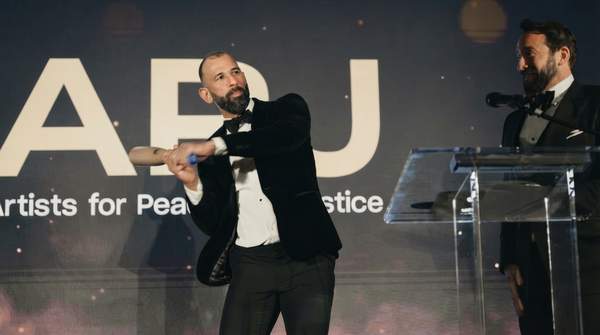
For a black-tie event, men should always wear a black or dark navy suit, as advised by Otaa. Dark, classic colors maintain understated elegance. A crisp, white shirt is considered best, according to Otaa, providing a clean contrast. The dark suit and pristine white shirt form the essential canvas for men's formal wear, setting a standard of classic sophistication. Strict adherence to foundational elements implies a rejection of transient trends in favor of enduring sartorial principles.

Beyond the Basics: Tuxedos and Traditional Accessories

The classic black tie remains the most traditional accessory for men, especially in black, as noted by Otaa. For men, formal attire typically means a tuxedo or a dinner suit in navy, charcoal, or black, states Vogue. However, while Vogue suggests charcoal, Otaa specifically limits black-tie events to black or dark navy suits. Even within the 'formal' category, black-tie narrows acceptable colors considerably, making precise interpretation vital. The subtle distinctions between 'formal' and 'black-tie' reveal a hierarchy of formality, where strict adherence to the latter signals a deeper understanding of high-society codes.
Formal Attire for Women: Length and Accessories

For women, formal attire means dresses falling well below the knee, with floor or ankle-length options often most appropriate, according to Vogue. Emphasis on length dictates a silhouette of grace and sobriety. Clutch bags, meant to fit comfortably under the arm, are usually the norm, Vogue also advises. Women's formal wear thus emphasizes elegance through dress length and practical, understated accessories. The prescribed elegance for women implies a deliberate cultivation of an image that prioritizes refinement over overt display, mirroring the understated luxury of the events themselves.

The Unspoken Language of Respect

Formal attire serves as a way of showing respect for celebratory or historic occasions, such as weddings, state dinners, and diplomatic affairs, as outlined by Vogue. Dress codes thus transcend fashion, becoming a form of social communication. Adhering to these codes becomes a powerful non-verbal expression of deference, acknowledging the event's importance and honoring hosts and fellow attendees. Non-verbal communication establishes a shared understanding among attendees, subtly reinforcing social hierarchies and mutual respect within these exclusive circles.

When in Doubt: Seek Clarification

How to behave at a formal social event?

Beyond attire, proper etiquette includes punctuality, discreet conversation, and avoiding overt self-promotion. Mobile devices must be silenced and out of sight, maintaining focused engagement. Such behavioral codes ensure the focus remains on genuine social interaction and the event's purpose, rather than individual distractions or self-aggrandizement.

What are the unwritten rules of high-society events?

High-society events prioritize discretion and networking over overt display. Guests must engage respectfully, maintain a refined demeanor, and understand subtle cues for social acceptance, such as knowing when to approach a host or exit a conversation gracefully. These unwritten rules cultivate an environment where social capital is built through nuanced interactions, rather than explicit declarations.

What is considered rude at a formal event?

Interrupting speakers, loud conversations, or monopolizing a host's time are considered rude. Arriving late, departing early without notice, or discussing sensitive personal topics openly also signal disrespect, undermining the event's decorum. Breaching these decorum standards not only reflects poorly on the individual but also disrupts the collective experience, potentially jeopardizing future social invitations.

Beyond the Invitation: Understanding Expectations

While a cocktail dress might be acceptable if the host is more relaxed, it is best to assume a floor-length dress is expected for women, according to Vogue. Guests are thus compelled toward conservative interpretations to avoid missteps, underscoring the high stakes of these unspoken rules. The safest approach to formal events is to err on the side of greater formality, anticipating the highest level of expectation. Misinterpreting nuanced dress codes can lead to individuals feeling out of place or inadvertently disrespecting the occasion, ultimately reinforcing the host's control over the event's integrity. The inherent ambiguity, coupled with the social cost of error, places the onus entirely on the guest to discern and adhere to the most stringent interpretation, thereby preserving the exclusivity of the event.

By Q3 2026, publications like The Prestige Edit will continue to demystify these protocols, guiding attendees through the complexities of high-society events.