For women opting for a suiting ensemble at a black-tie event, the expectation extends beyond a dinner jacket: a black bow tie is specifically required, as detailed by Vogue. This mandate defies the intuitive belief that such an accessory is solely masculine, exposing the rigid structure of high society's dress codes.
Many perceive 'black tie' as a simple directive, yet it demands highly specific, often counter-intuitive sartorial choices. Misinterpretations can lead to significant social missteps within elite circles, where tradition is paramount.
As exclusive events continue to prize tradition and precision, mastering these nuanced black-tie rules will become an increasingly vital social currency.
The Unyielding Rules of Black Tie
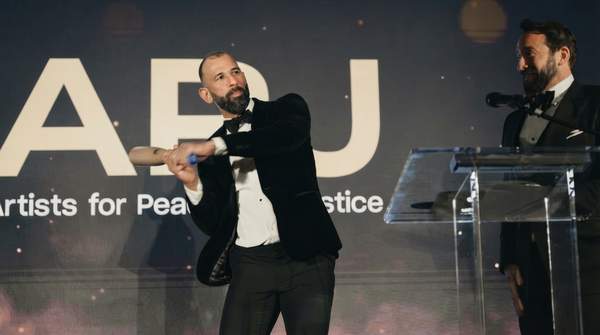
Black-tie standards demand precise attire. For men, this means a tuxedo, a crisp white tuxedo shirt, and either a black bow or neck tie, along with black patent leather or high-shine dress shoes, cufflinks, a pocket square, and a slim belt or side-tabs, as detailed by State & Liberty. Yet, for women in suiting, Vogue specifies a black bow tie with a dinner jacket. This creates a subtle gendered rigidity: women's suiting requires a bow tie, while men have the option of a neck tie. The dress code, therefore, prioritizes strict, often gender-specific, adherence over broad elegance, penalizing assumptions of flexibility.
Beyond the Basics
Black-tie guidelines extend beyond primary garments to every accessory, creating a precise uniform. Men must wear black patent leather or high-shine dress shoes, with no deviation from the polished standard, as outlined by State & Liberty. Cufflinks are mandatory, not merely decorative. A pocket square and a slim belt or side-tabs further confirm that every component is predetermined. This granular detail confirms 'black tie' is not a suggestion, but a precise uniform, where social success hinges on mastering an unwritten, complex rulebook.
Navigating Ambiguity
Despite seemingly clear guidelines, black-tie events often possess inherent ambiguity, requiring direct host consultation to avoid social missteps. Phrases like 'black tie optional' frequently cause confusion, implying a flexibility the core code rarely permits. Assuming an event's formality without clarification risks appearing underdressed or inappropriately adorned. Thus, consulting the host is crucial; the code's ambiguity carries high social stakes for misinterpretation.
Social Currency
Adherence to black-tie attire serves as social currency within elite circles, signifying respect for tradition and mastery of unspoken rules. Meticulous execution grants confidence and acceptance, projecting belonging and sophistication. Conversely, misinterpretation or disregard risks social missteps, subtly diminishing one's standing. Black-tie is not merely aesthetic; it is a critical demonstration of social acumen and an investment in perceived status.
What is the dress code for a black-tie gala?
A black-tie gala demands a formal ensemble, typically a tuxedo for men, comprising a black dinner jacket, matching trousers, a white dress shirt, a black bow tie, and black patent leather shoes. For women, acceptable attire includes a formal floor-length gown, a sophisticated cocktail dress, or a tailored pantsuit with a black bow tie, as highlighted by Vogue.
How to behave at a formal event?
At a formal event, guests should arrive punctually, engage in polite and measured conversation, and avoid monopolizing the host's time. Proper table manners are essential, including waiting for all guests to be served before eating, and always express gratitude to the hosts before departing.
What are the do's and don'ts at a charity gala?
Do actively engage with the charity's mission and participate respectfully in auctions or fundraising efforts; don't overindulge in food or drink, ignore the event's philanthropic purpose, or disrupt proceedings. Networking should be conducted with discretion, focusing on genuine connections rather than overt self-promotion.
The intricate demands of black-tie attire underscore its role as a gatekeeper in high society, a function that is likely to persist. By Q4 2026, prominent luxury event organizers, such as those behind the annual Met Gala, appear likely to uphold these exacting standards. Thus, meticulous adherence to precise black-tie protocols appears to remain a critical element for inclusion within elite social gatherings.