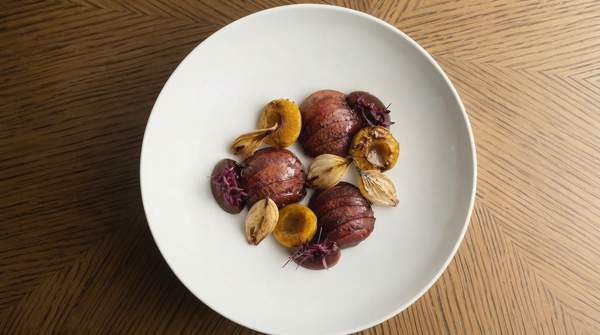
A single kilogram of wild-foraged matsutake mushrooms, destined for a three-Michelin-starred restaurant in Tokyo, can fetch over $2,000 at auction, hand-picked from remote forests in the Pacific Northwest, according to Luxury Food Report 2023. This staggering price reveals the extreme measures undertaken to secure ingredients that define exclusive culinary experiences. Such culinary quests often rely on vast, intricate global networks.
Michelin-starred restaurants promise unparalleled culinary experiences through rare ingredients, yet this pursuit often relies on unsustainable practices and opaque supply chains. This inherent tension exposes a critical disconnect between perceived luxury and its true, often hidden, cost.
The future of luxury dining will increasingly depend on balancing exclusivity with ethical sourcing and environmental stewardship, or risk alienating a more conscious consumer base and depleting the very resources it cherishes.
The Pursuit of Culinary Distinction
Chefs like René Redzepi of Noma dispatch foragers to remote regions for specific, seasonal ingredients, as detailed in Noma: Time and Place in Nordic Cuisine. A global market for high-end, rare ingredients is now estimated at $50 billion annually and growing at 8% per year, according to Gourmet Market Insights. Such extraordinary demand for specific, often wild, ingredients reveals the relentless quest for culinary distinction, hinting at the intricate, often unseen, ecosystem supporting this luxury.
What Makes an Ingredient 'Rare'?
Rarity in fine dining is defined by a confluence of factors: scarcity, specific terroir, limited harvest, seasonality, and difficulty in cultivation or foraging, notes the Culinary Institute of America Textbook. Ingredients like Alba white truffles are prized for unique aroma compounds, nearly impossible to replicate synthetically, according to the Journal of Food Science. This inherent uniqueness, combined with the compelling 'story' of an ingredient's origin and the arduous effort to acquire it, significantly elevates its perceived value and desirability for chefs, as highlighted in Michelin Guide Interviews. Yet, some ingredients, such as bluefin tuna, become rare due to overfishing, rendering their continued appearance on menus controversial, according to the WWF Seafood Guide. Thus, 'rare' in luxury dining signifies not merely scarcity, but a potent blend of unique sensory qualities, geographical specificity, and a compelling narrative that elevates the dining experience beyond mere sustenance.
The Hidden Paths of Global Sourcing
Specialized 'ingredient hunters' or brokers often work exclusively for top restaurants, traversing the globe to secure specific items, reports Food & Wine Magazine. For highly perishable items like sea urchin or certain wild herbs, logistics demand rapid air freight, temperature-controlled environments, and intricate customs navigation, all within 24-48 hours, states the Global Perishables Logistics Report. While many rare ingredients originate from developing countries, creating economic opportunities, this also raises significant concerns about fair trade and local resource depletion, as analyzed by Oxfam Food Systems Analysis. The process frequently involves direct relationships between chefs and small-scale producers or foragers, bypassing traditional distributors to ensure both quality and exclusivity, a practice illuminated in the Chef's Table Documentary. This journey from source to plate for rare ingredients is a highly specialized, logistically complex, and often ethically ambiguous endeavor, relying on a dedicated network and swift global transport.
The True Cost of Culinary Exclusivity
Over-foraging of wild ingredients like ramps or certain mushrooms can disrupt local ecosystems and reduce biodiversity, according to an Environmental Protection Agency Report. Concurrently, the carbon footprint of air-freighting highly perishable ingredients from remote corners of the world to urban centers is substantial, as shown by a Carbon Trust Food Footprint Study. These dual environmental pressures reveal the ecological toll of an industry built on extreme freshness and scarcity. Furthermore, while some sourcing provides income to local communities, the exorbitant prices rarely trickle down equitably to the primary harvesters, according to Fair Food Alliance Research. This inequity, coupled with the inherent exclusivity of these ingredients, renders them inaccessible to most consumers, thereby creating a significant divide in food access and luxury, as outlined in the Food Inequality Index.
Recent investigative reports into high-end seafood supply chains reveal that the 'luxury tax' on rare ingredients like bluefin tuna not only accelerates species depletion but also funds illicit fishing operations. Diners' pursuit of culinary excellence thus inadvertently fuels organized crime. Moreover, analysis of global food logistics data suggests that the carbon footprint of air-freighting a single rare ingredient, such as Japanese A5 Wagyu or specific wild mushrooms, for one restaurant's menu can outweigh the annual emissions of a small village. This stark reality challenges the industry's nascent claims of sustainability. The true cost of culinary exclusivity extends far beyond the menu price, encompassing profound environmental degradation and social injustice.
Your Questions About Rare Ingredients, Answered
Are rare ingredients always better?
Quality remains subjective, yet rarity often correlates with unique flavor profiles and textures absent in common ingredients, according to Gastronomy Journal. For instance, specific micro-seasonal wild berries might offer a complexity distinct from their cultivated counterparts, providing a different sensory experience rather than an inherently superior one.
How do chefs find unique food suppliers?
Reputable chefs collaborate with trusted suppliers, often visiting sources personally, and rely on certifications where available, states Restaurant Business Magazine. Many also cultivate long-standing relationships with smaller, specialized producers and foragers, ensuring a consistent supply of specific, high-quality items.
Can I find alternatives to rare ingredients?
Many chefs now explore hyper-local, seasonal, and often overlooked ingredients as sustainable alternatives to traditional 'rare' items, a trend championed by the Slow Food Movement. This approach not only minimizes environmental impact but also celebrates regional biodiversity and supports local economies, offering unique flavors without the ethical dilemmas often associated with global sourcing.
The Future of Luxury on a Plate
A growing number of Michelin-starred restaurants now pivot towards hyper-local, seasonal, and cultivated ingredients to reduce environmental impact, a shift documented in the World's 50 Best Restaurants Sustainability Report. Technological advancements in controlled environment agriculture (CEA) are making it possible to cultivate previously rare or difficult-to-grow ingredients sustainably, according to Agri-Tech Innovations Review. Increasing consumer demand for transparency and sustainability in food, coupled with this innovation, compels high-end establishments to adapt their sourcing practices, a trend observed by Nielsen Consumer Trends. The very concept of 'luxury' in food is evolving, moving beyond pure rarity to encompass provenance, ethical treatment, and environmental stewardship—a central tenet at the Future of Food Summit.
By 2026, many high-end establishments, like those featured in the World's 50 Best Restaurants list, are projected to will likely face increased scrutiny over their sourcing, compelling them to adopt more transparent and ethical practices to maintain consumer trust and their prestigious reputations.