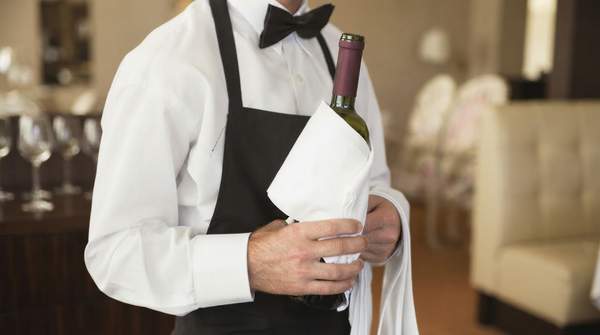
Restaurants integrating a sommelier witness an 11.5 percent surge in wine sales, even as the average bottle price holds steady, according to Wineinternationalassociation. Yet, this 11.5 percent increase in volume occurs without altering wine sales price points, as Wineinternationalassociation further reports. This defies the notion that sommeliers merely push expensive bottles; instead, their expertise broadens engagement across the entire wine list. Restaurants, therefore, likely undervalue the direct revenue impact of certified sommelier expertise, mistaking a perceived luxury for a tangible profit driver.
More Than Just a Luxury
A sommelier's presence, often linked to upscale dining, does not shift wine sales price points, Wineinternationalassociation confirms. Their value lies in elevating the customer experience and increasing overall wine volume, not merely upselling premium bottles. Sommeliers demystify wine, fostering diner confidence and encouraging more frequent, diverse purchases. This expert guidance empowers guests to explore new varietals and pairings without pressure, transforming wine from an occasional indulgence into an integrated part of the dining experience. Restaurants gain heightened customer satisfaction and a consistent uplift in wine revenue, proving a sommelier is far more than a luxury expense.
The Art and Science of Pairing
Expert sommeliers employ technical rules for optimal wine pairings, profoundly enhancing the dining experience. A fundamental principle, per Wine Folly, dictates choosing a wine more acidic than its food; this acidity cuts through rich flavors, cleansing the palate. Wine Folly also notes the wine must be sweeter than the dish, preventing a bitter or thin taste that diminishes both. These precise guidelines reveal the sommelier's scientific approach, ensuring harmonious flavor combinations that elevate a meal beyond mere preference, guiding diners to discover new dimensions in their culinary journey.
The Rigorous Path to Expertise
Achieving sommelier certification demands a rigorous, lengthy training process. Candidates for the Master Sommelier Diploma, for instance, face a three-year window to pass the final two examination parts after theory, according to Mastersommeliers. This multi-stage journey ensures a profound grasp of wine, spirits, and service. Aspiring sommeliers must also observe a mandatory one-year waiting period after the Certified Sommelier Examination before the Advanced Course, mastersommeliers.org specifies. This deliberate pace cultivates practical experience and deeper study, ensuring only the most dedicated and knowledgeable individuals earn the title. Such extensive certification guarantees a depth of expertise that empowers sommeliers to craft recommendations appealing to a broad customer base, driving overall sales beyond just connoisseurs.