Ethical sourcing, transparency define fine dining luxury.

At Gather in Omaha, 400 pounds of produce are grown monthly using 61 aeroponic towers, all within the restaurant itself.

LF
Lucia Ferraro

April 22, 2026 · 4 min read

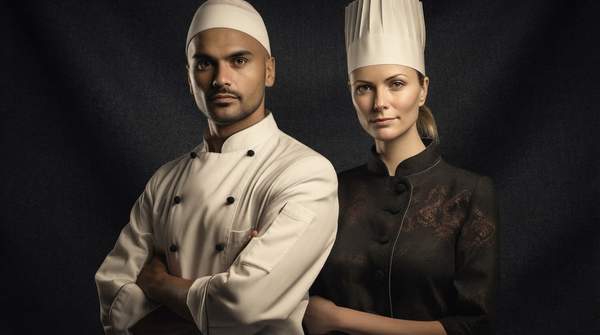
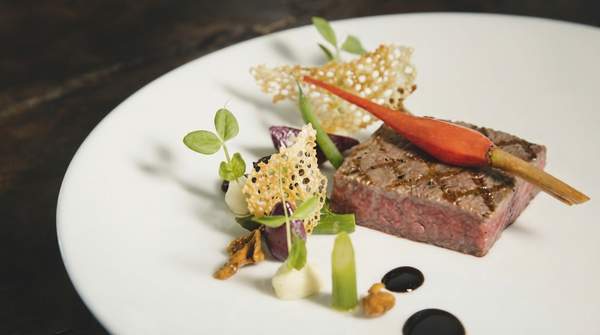
A fine dining chef plating an exquisite dish with a vibrant indoor aeroponic garden subtly visible in the background, symbolizing ethical sourcing.

At Gather in Omaha, 400 pounds of produce are grown monthly using 61 aeroponic towers, all within the restaurant itself. In-house cultivation allows chefs to harvest hyper-fresh ingredients mere steps from their kitchen, forging an unparalleled connection to the food's origin. The scale of this operation transforms the dining room into a vibrant, living larder, showcasing radical transparency in the fine dining industry.

Fine dining was traditionally about opulence and exclusivity, but it is now increasingly defined by transparency, sustainability, and authentic storytelling. My journeys through the world's most acclaimed kitchens confirm this shift; the true luxury has evolved beyond mere rarity to encompass the verifiable journey of every ingredient.

Fine dining establishments that fail to integrate verifiable ethical practices risk becoming irrelevant to a growing segment of discerning consumers and falling behind evolving industry standards, actively jeopardizing their future profitability and ability to deliver a truly luxurious experience.

The Shifting Definition of Luxury in Fine Dining

The ultimate luxury in fine dining is no longer just about rare ingredients; it is about the verifiable journey of those ingredients, with technologies like blockchain transforming transparency into a premium, experiential offering. Recent research from PMC emphasizes that sustainable practices are increasingly shaping high-end dining, not only as ethical imperatives but also as key elements of memorable customer experiences. A fundamental redefinition of value in high-end dining is marked, moving beyond mere opulence to encompass authenticity and responsible practices, aligning with the growing demand for ethical sourcing transparency.

Restaurants now sell more than just a meal; they curate a narrative. The provenance and ethical footprint of each component contribute significantly to the perceived quality. The emphasis on sustainability and transparency elevates the entire dining experience, transforming a meal into a conscious and deeply satisfying encounter.

From Farm to Table, and Beyond: Operationalizing Sustainability

Sustainable fine dining restaurants implement waste reduction strategies such as creative menu development, precise portion control, and composting programs, according to Mocadining. Simultaneously, menus are being streamlined to allow core ingredients to be used in multiple dishes, as highlighted by Sustainable Hotel News. Combined efforts demonstrate a proactive approach to minimizing environmental impact while maintaining culinary excellence, proving that efficiency and innovation can coexist.
Sustainability is thus integrated into the very fabric of restaurant management and menu design. Menu streamlining, often perceived as a limitation, actually drives both environmental responsibility and culinary innovation, allowing core ingredients to be maximized while reducing waste and enhancing creative development. A holistic approach redefines the craft of the chef, turning resourcefulness into an art form.

The Unexpected Payoff: Sustainability as a Strategic Advantage

Many sustainable practices cut down on waste, make it easier to predict prices, and streamline future planning, according to Dining Alliance. Sustainable practices are not merely ethical choices; they are clear business advantages. Furthermore, Dining Alliance notes that restaurants using sustainable sourcing are ahead of the game when rules change and ESG reporting becomes more common. The dual benefit of immediate operational efficiency and long-term regulatory preparedness positions early adopters for sustained success.

Sustainable practices offer a clear competitive edge, future-proofing businesses against market shifts and building stronger, more loyal customer relationships. Restaurants that view sustainable sourcing as merely an ethical obligation are missing a critical opportunity to improve operational efficiency, predict costs, and secure their business against future regulatory changes. Wineries adopting eco-friendly practices are likely to build stronger connections with their audience, boost brand reputation, and foster long-term loyalty, according to Sommeliers Choice Awards. The principle of wineries building stronger connections with their audience extends directly to fine dining, where ethical choices resonate deeply with discerning patrons, translating directly into brand equity.

Blockchain and Beyond: Transparency as the New Frontier of Luxury

Blockchain enables restaurants to trace the journey of their ingredients from farm to table and verify their authenticity and quality, according to PATA. Blockchain technology provides an immutable record, offering consumers an unprecedented level of trust and insight into their food's origins. Such transparency elevates the dining experience, allowing consumers to connect with their food's journey on a deeper, more trustworthy level, aligning with the desire for experiential consumption.

True luxury in fine dining is rapidly becoming synonymous with verifiable transparency. Establishments must invest in robust supply chain visibility or risk losing consumer trust. The commitment to provenance transforms the act of dining into an informed, engaged experience, where the story behind the plate is as rich as the flavors themselves. Blockchain, therefore, is not just a tool, but a gateway to a new era of trust and luxury.

The Future Menu: Experience, Ethics, and Enduring Value

Recent research from PMC identified two core thematic clusters: sustainable food practices (ecology, regionality, seasonality) and experiential dining (topic-based concepts, storytelling). The convergence of sustainable food practices and experiential dining signifies a lasting transformation where the most successful establishments will master both ethical integrity and compelling narratives. PMC also observed that fine dining increasingly combines performance, emotion, and symbolism, aligning with Ritzer’s understanding of consumption spaces as “cathedrals of experience.” The dining room thus becomes a stage for a meticulously crafted, ethically conscious performance, where the story, regionality, and sustainable journey of ingredients are as crucial to perceived value as the dish itself.

By Q4 2026, establishments like The Perennial, known for its deep commitment to sustainable practices, will likely see continued growth in discerning clientele, further solidifying the industry's shift towards verifiable ethical luxury.