A private art curator brings museum-grade discipline to a personal collection: researching and recommending acquisitions, maintaining the documentation that protects a work's value, overseeing its physical care, and shaping how the collection is displayed and understood. For a private collector, the right hire is typically an independent or guest curator — a professional who works project by project for individual clients rather than inside an institution — and the surest way to evaluate one is a written contract covering services, fees, and ethical ground rules.
Understanding the Private Art Curator's Role
The curatorial profession has long debated whether a curator is fundamentally a caretaker or an interpreter. The word derives from the Latin cura, "to care," and one tradition defines the curator strictly as a guardian of a collection — someone who tracks condition and protects history. As Maine College of Art & Design's overview of the field puts it, however, most working curators now do both: they preserve a collection and shape how audiences understand it.
In a museum, that dual role is anchored to a public mission. The Association of Art Museum Curators' professional practices statement describes curators making acquisition recommendations guided by the museum's mission and their own specialized knowledge, then presenting objects to an acquisition committee. A private curator performs the same intellectual work — research, selection, care, interpretation — but the "mission" is the collector's own goals, values, and interests rather than a public mandate.
Call For Curators, a curatorial career resource, describes private collection curators as professionals who manage collections that reflect a company's or individual's brand and values: selecting artworks, organizing exhibitions, and sometimes facilitating acquisitions. Translated to an individual collector, this means the curator becomes the steward of a personal narrative, deciding what the collection says and how it says it.
Private Art Curator Services Checklist
The table below organizes a curator's core responsibilities — drawn from institutional best practices and collector-focused documentation guidance — into four service areas a collector should expect and verify before hiring.
| Service area | What the curator should do | Why it matters |
|---|---|---|
| Collection strategy & acquisition | Research and identify artworks that fit the collection's focus; make reasoned acquisition recommendations; communicate with artists, dealers, and experts; pursue purchase and intake once approved | Acquisitions should be guided by expertise and a defined collecting focus, not impulse |
| Documentation & management | Maintain bills of sale, certificates of authenticity, condition reports, appraisals, provenance records, art loss checks, and high-quality photography of each work's front, back, signatures, and labels | Artwork Archive, a collection-management resource, notes these documents are instrumental in managing financials and estate planning, and that labels and inscriptions act as a lens into authenticity |
| Preservation & care | Track condition, oversee proper storage and handling, maintain conservation records, and coordinate with conservators and registrars | Physical care is the historical core of the role and protects both the object and its history |
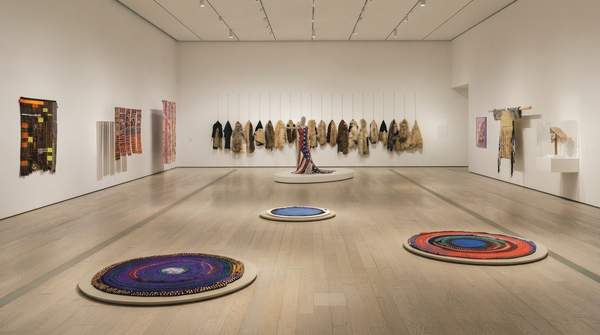
| Exhibition & engagement | Plan installation and presentation of works, organize exhibitions or private viewings, and interpret the collection for the collector's audience | Curators shape what is seen first, last, and what story the whole tells |
Two practical notes on documentation. Artwork Archive recommends storing records in an online collection management system so that fire or flood cannot destroy them, and so documents can be shared with financial advisors, attorneys, conservators, and art advisors. It also advises that appraisals be conducted by a USPAP-certified appraiser, findable through organizations such as the Appraisers Association of America, and that an art loss check be run to confirm an object was not registered as stolen — proof of due diligence at the time of purchase.