The planned summer wedding of Peter Phillips and Harriet Sperling has, according to a report from meyka.com, placed a spotlight on specific brands and broader industry segments associated with high-society nuptials. This royal engagement is directing considerable attention toward the UK luxury retail sector, with British jewelers and high-end fashion houses emerging as primary subjects of this renewed focus. The development underscores the intricate relationship between monarchical milestones and the commercial dynamics of the United Kingdom's most prestigious craftspeople and retailers.
Who Is Affected
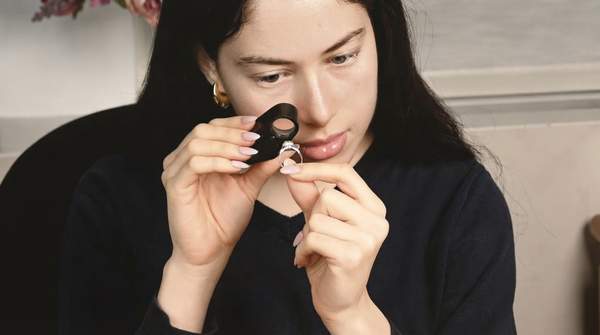
The British jeweler Pragnell, identified by meyka.com as the creator of Ms. Sperling's engagement ring, is now a primary focus within the British luxury goods market. As the tangible centerpiece of the announcement, the ring and its designer are receiving significant initial media and public attention, distinguishing Pragnell from others in the sector. Beyond this single firm, the broader UK-based fine jewelry and bespoke fashion industries are also experiencing heightened observation. These sectors, long intertwined with the Royal Family's patronage and stylistic choices, are reminded of their cultural and commercial prominence, particularly during ceremonial occasions that capture both national and international interest.
The 'Royal Effect' on High-End Fashion and Jewelry Sales
Moments of royal significance have historically corresponded with shifts in consumer behavior, a phenomenon often referred to as the 'royal effect'. According to meyka.com, such events frequently drive observable increases in online search queries, a rise in footfall to luxury boutiques, and a burgeoning demand for replicas or inspired-by designs. This pattern suggests that the visibility afforded by a royal engagement can translate into tangible commercial interest. The mechanism behind this effect is multifaceted, beginning with intense media coverage that deconstructs every stylistic choice, from the cut of a gemstone to the silhouette of a garment. This detailed exposure can create powerful aspirational narratives for consumers.
Meyka.com reports that design cues aligned with a royal event typically prompt a wave of searches and subsequent purchases of items that echo the chosen aesthetic. This consumer response is not necessarily limited to exact replicas but often extends to a broader category of 'inspired-by' pieces, allowing a wider range of brands to participate in the trend. The selection of a particular jeweler, such as Pragnell in this instance, can elevate a brand's profile significantly, positioning its design language as a new benchmark for bridal and formal jewelry. The resulting consumer interest often cascades from the highest echelons of the luxury market to more accessible price points, demonstrating the widespread influence of these high-profile endorsements.
It is crucial, however, to distinguish between informal influence and formal endorsement. The British monarchy maintains a highly regulated system of official recognition through Royal Warrants of Appointment. As meyka.com notes, only companies holding a Royal Warrant are legally permitted to reference their status as suppliers to the royal households. Claims of being 'royal-approved' by non-warrant holders can invite considerable scrutiny from regulatory bodies. This formal system underscores the prestige associated with royal patronage, a status that is earned over years of consistent service. While the selection of a brand for a singular event like an engagement generates immense publicity, it operates in a different sphere from the long-standing commercial relationships signified by a warrant, a distinction that discerning patrons of luxury goods readily understand.
Economic Ripple: Royal News and Consumer Spending Habits
The timing of this engagement announcement suggests a potential economic influence on the immediate future. The meyka.com report posits that news of Peter Phillips's planned wedding could shape wedding-related spending throughout the second fiscal quarter. This potential impact is predicated on the influence royal style choices often exert on the broader bridal market. Couples planning their own ceremonies may look to the high-profile nuptials for inspiration, affecting jewelry design preferences, formalwear, and accessories. The visibility of Ms. Sperling’s Pragnell ring, for example, could popularize specific diamond cuts, setting styles, or gemstone choices among engagement ring consumers.
This potential shaping of consumer spending habits represents a directional influence on existing consumer demand, rather than a direct, quantifiable injection of capital into the economy. Luxury retailers and service providers in the wedding sector often adjust their marketing and inventory in response to such prominent cultural moments, anticipating a shift in client preferences. The announcement acts as a powerful signaling event, providing a new set of aesthetic templates that can define trends for the upcoming season. The degree to which this potential influence materializes into concrete sales figures will be a key point of observation for market analysts tracking the performance of the UK luxury retail sector.
What We Know About Next Steps
The only confirmed forward-looking detail is the planned summer wedding of Peter Phillips and Harriet Sperling; no official statements detailing specific commercial partnerships or future collaborations have been released by involved brands or royal representatives. Industry analysts and luxury market experts will monitor metrics like search engine data for associated brand names, bridal jewelry retail sales, and media mentions to gauge the engagement announcement's tangible impact. The central question remains whether the initial surge of interest reported by meyka.com will translate into a sustained trend or measurable sales uplift for UK luxury jewelry and fashion sectors during the second quarter and beyond, becoming clear as consumer behavior unfolds.