The global luxury travel market is projected to swell to $2 trillion by 2030, driven not by thread counts, but by travelers chasing 'Instagram-worthy' moments and authentic cultural immersion. While the market grows rapidly, its core value proposition has evolved from overt opulence to curated experiences and genuine access, reflecting a profound shift. High-net-worth individuals now seek intangible value—exclusivity and meaning—over traditional material comforts, making 'Instagram-worthiness' a defining characteristic of luxury travel, fundamentally reshaping how high-end experiences are valued and designed. Therefore, luxury travel providers who fail to prioritize authenticity, unique access, and social media appeal risk being left behind. True luxury in 2026 is defined by exclusivity, authenticity, access, and meaning, not thread counts or Michelin stars, according to Internationaltravelawards. This redefinition, moving beyond material comforts to profound, shareable experiences, fuels the sector's massive expansion toward $2 trillion by 2030, previously noted..
The Allure of the 'Instagram-Worthy' Experience
Social media has heightened demand for 'Instagram-worthy' destinations, according to Deloitte. Unique, visually compelling experiences now serve as a primary currency in luxury travel, directly driving the curation of exclusive itineraries. The emphasis on visual appeal alongside authenticity creates a demand for ultra-exclusive experiential travel packages offering both genuine immersion and digital shareability.
1. Viking Ocean + Expedition
Best for: Culturally curious explorers seeking comprehensive, upscale voyages.
Viking Ocean + Expedition leads the market with over 6.7% share in 2025, among the top five players holding 22.3% of market share, according to Gminsights. Their voyages combine extensive cultural programs with expedition capabilities, accessing remote destinations. Viking's market leadership confirms a successful blend of cultural depth and adventurous access, setting a benchmark for comprehensive luxury voyages.
Strengths: Market leadership; combines cultural immersion with adventure; strong brand reputation. | Limitations: Fixed itineraries might limit spontaneous exploration; less private than smaller scale options. | Price: High-end, reflective of comprehensive packages.
2. Adventure & Safari Travel Packages
Best for: Thrill-seekers and wildlife enthusiasts desiring immersive wilderness encounters.
This segment, the largest tourism category, is valued at USD 9.43 billion in 2025 and projected to reach USD 23.03 billion by 2035 with a 9.0% CAGR, as reported by Gminsights. Packages often include bespoke safaris, trekking, and eco-tourism, providing direct engagement with natural environments. Robust growth highlights a profound desire for direct, unmediated engagement with the planet's wildest corners, signaling a shift towards active, immersive exploration.
Strengths: Highest growth potential; direct engagement with nature; highly customizable. | Limitations: Can involve physically demanding activities; availability dependent on wildlife seasons. | Price: Varies widely, from premium to ultra-luxury bespoke.
3. Private Villas and Private Islands
Best for: Discerning individuals prioritizing ultimate privacy, bespoke service, and secluded luxury.
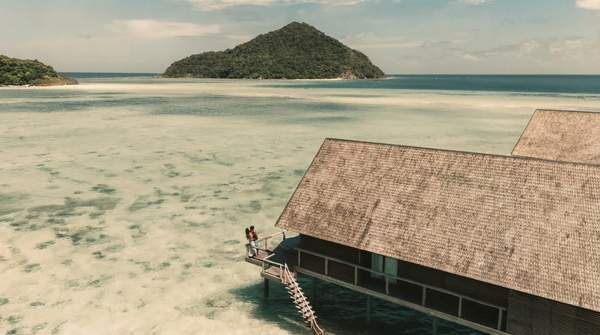
These "ultra-premium," "rare," "authentic," and "exotic" offerings entice luxury travelers, according to Deloitte. They provide unparalleled exclusivity and tailored experiences away from crowds. The allure of such offerings confirms that for the truly discerning, ultimate luxury now equates to absolute seclusion and bespoke control.
Strengths: Maximum privacy; personalized service; unique, secluded locations. | Limitations: Limited availability; higher cost for exclusivity; may require additional travel to reach. | Price: Ultra-luxury, often priced per property per night.
4. Exclusive Members-Only Travel Options
Best for: Travelers seeking privileged access, curated itineraries, and networking opportunities within an elite community.
These options entice travelers with "ultra-premium," "rare," "authentic," and "exotic" experiences, as noted by Deloitte. Membership grants entry to a portfolio of unique global adventures and events unavailable to the public. Exclusive memberships capitalize on the modern luxury traveler's desire for privileged access and curated community, transforming travel into a badge of belonging.
Strengths: Unrivaled exclusivity; access to rare events; often includes concierge services. | Limitations: Requires membership fees; selection can be limited by club offerings; potential waitlists. | Price: High, including membership fees and package costs.
5. Curated Scarce Accommodation & Expedition Experiences
Best for: Adventurous travelers seeking unparalleled access to remote or unique environments with limited capacity.
These experiences hinge on the "orchestration of scarce accommodation or expedition capacity," a capability difficult to standardize, indicating their high value, according to Gminsights. Examples include remote eco-lodges or limited-slot polar expeditions. The inherent difficulty in standardizing such experiences elevates their value, positioning scarcity itself as the ultimate luxury commodity.
Strengths: Access to truly unique and remote locations; high demand due to scarcity; profound immersive potential. | Limitations: Extremely limited availability; often requires booking far in advance; higher price point. | Price: Premium to ultra-luxury, reflecting exclusivity and logistical complexity.
Why Expert Guidance is the New Luxury
High-end travelers increasingly turn to luxury travel agents for unique, hassle-free experiences, according to Deloitte. These agents become indispensable navigators, providing the bespoke access and seamless execution that define modern exclusive travel—a service difficult to replicate independently. The travel agent's role is positioned beyond simple booking, transforming them into curators of complex, personalized narratives.
| Feature | Luxury Travel Agent (Curated Experience) | Self-Planned Travel (Independent Experience) |
|---|---|---|
| Access to Exclusivity | Direct access to scarce accommodations, private events, and members-only options through established networks and relationships. | Limited access to truly exclusive experiences; often requires extensive research and direct negotiation. |
| Time Investment | Minimal client time required for planning; agent handles all logistics, research, and contingency planning. | Significant personal time investment for research, booking, coordination, and contingency planning. |
| Personalization Level | Highly personalized itineraries tailored to specific interests, preferences, and desired authentic encounters. | Personalization is self-driven; subject to available public offerings and individual planning capacity. |
| Problem Resolution | Agent provides 24/7 support and immediate solutions for unforeseen issues, itinerary changes, or emergencies. | Traveler is solely responsible for resolving issues, which can be stressful and time-consuming during a trip. |
| Value Proposition | Focus on delivering unique, 'Instagram-worthy' experiences with seamless execution and peace of mind. | Focus on cost savings or complete control, but often at the expense of convenience, access, or unique experiences. |
Curating the Pinnacle of Experiential Travel
The selection process for ultra-exclusive experiential travel packages prioritizes genuine exclusivity, profound cultural immersion, and unparalleled access. We evaluate offerings based on their ability to deliver authentic encounters, often involving direct engagement with local cultures or pristine natural environments. Beyond basic comfort, the criteria assess the depth of the experience, including access to otherwise inaccessible locations or events, ensuring a sense of privileged discovery. We also consider social media shareability, ensuring it enhances authenticity rather than compromises it, balancing personal moments with the contemporary trend of documenting extraordinary journeys. Ultimately, we highlight providers known for meticulous detail, strong local relationships, and the capacity to orchestrate scarce, highly sought-after travel opportunities, redefining luxury from tangible amenities to intangible, memorable narratives.
The Future of Luxury: Meaning Over Material
The luxury travel market, poised for significant growth to $2 trillion by 2030, appears set to reward providers who prioritize deeply personalized, authentic encounters and 'Instagram-worthy' moments over traditional opulence, with expert travel agents likely becoming indispensable curators of travel.hese complex, unique narratives.
Your Questions on Ultra-Exclusive Travel Answered
What are the most luxurious cultural immersion trips?
The most luxurious cultural immersion trips often involve private access to historical sites, bespoke workshops with local artisans, or intimate culinary experiences with renowned chefs. These journeys typically include exclusive accommodations, private guides, and itineraries tailored to provide deep, authentic engagement, often in destinations like Kyoto for traditional arts or Patagonia for indigenous heritage tours.
What is experiential luxury travel?
Experiential luxury travel prioritizes unique, memorable, and often transformative experiences over traditional material comforts. It focuses on authenticity, personal growth, and creating shareable moments, such as joining an archaeological dig in Peru or participating in a conservation project in the Galápagos. The value lies in the intangible memories and personal enrichment gained.
How much do ultra-luxury travel packages cost?
Ultra-luxury travel packages vary widely in cost, ranging from tens of thousands to hundreds of thousands of dollars, depending on duration, destination, level of exclusivity, and personalized services. For example, a two-week private safari in Botswana with exclusive camp access could cost upwards of $75,000 per person, while a multi-month world tour on a private jet might exceed $500,000.