Marriott International announced nine new hotel signings in Greece, a significant move that will introduce new brands and add nearly 1,000 rooms to one of Europe’s most coveted luxury travel destinations.
This expansion signals a period of accelerated growth for the hospitality giant within the Hellenic Republic, reinforcing the region's allure for discerning global travelers. The move not only deepens Marriott’s existing footprint but also diversifies its portfolio with the introduction of the Residence Inn by Marriott and Le Méridien brands to the Greek market for the first time. For a country synonymous with timeless elegance and sun-drenched archipelagos, this development underscores a robust confidence in the future of its high-end tourism sector, promising a new chapter of sophisticated accommodation for those of us who seek the pinnacle of Mediterranean refinement.
What We Know So Far
- Marriott International has confirmed nine new hotel deal signings across Greece, according to a company announcement reported by hospitalitynet.org.
- The expansion is set to add nearly 1,000 new rooms to the company's portfolio in the country, significantly increasing its capacity in the region.
- This strategic growth includes the market debut of two distinct brands in Greece: the chic, design-focused Le Méridien and the extended-stay specialist Residence Inn by Marriott.
- The new properties will join Marriott's existing Greek portfolio, which currently comprises 47 properties and over 6,000 rooms across 10 of its brands, as detailed by webwire.com.
- Specific opening timelines have been announced for several key properties, including a 2027 launch for the 57-room Residence Inn by Marriott in Athens.
Marriott Greece New Hotel Locations and Brands
The strategic placement of these new properties speaks volumes about Marriott’s vision for its Greek operations, targeting both the vibrant urban energy of its capital and the serene allure of its iconic islands. The expansion is headlined by the introduction of two brands that cater to distinct segments of the luxury travel market, a clear indication of a nuanced approach to capturing the modern traveler's desires. The arrival of Le Méridien, a brand celebrated for its mid-century modern aesthetic and European soul, promises to bring a new layer of creative sophistication to the Greek hotel scene. It is a brand that invites guests to "savour the good life," a philosophy that resonates deeply with the Hellenic spirit.
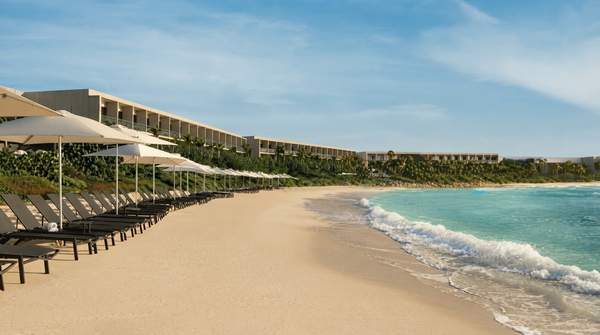
Among the flagship properties announced is the Le Méridien Sissi Crete, a 229-key resort anticipated to open its doors in 2027. This property is poised to become a sanctuary of style on Greece's largest island, a destination I have long admired for its dramatic landscapes and rich Minoan history. It will be joined by the expansive 314-key Milatos Marriott Resort Crete, scheduled for a 2028 debut, according to hotelinvestmenttoday.com. These Cretan developments suggest a profound investment in the island as a cornerstone of Mediterranean luxury. Simultaneously, the capital will welcome the 57-key Residence Inn by Marriott Athens in 2027, marking the debut of the extended-stay concept. This is a particularly astute move, acknowledging the evolving nature of travel where the lines between business and leisure blur, and guests seek the comforts of a well-appointed home, even while away from their own.
This calculated growth is built on a foundation of strong local partnerships. Jerome Briet, Marriott International's Chief Development Officer for Europe, Middle East & Africa, noted the significance of this collaboration. "These new signings reflect the strong confidence owners and franchisees place in Marriott," he stated, "and underscore the sustained demand for our diverse and inspiring portfolio of brands in the Greek market." This sentiment highlights a symbiotic relationship where international branding and local investment converge, creating experiences that are both globally recognized and authentically Greek.
Impact of Marriott Expansion on Greek Tourism
Marriott's ambitious expansion is not merely a corporate milestone; it is a powerful barometer for the health and trajectory of Greek tourism. The injection of nearly 1,000 luxury rooms into the market reflects a deep-seated belief in the nation's enduring appeal. As Mr. Briet articulated, "As one of the world’s most desirable leisure destinations, Greece continues to offer significant opportunities for Marriott to expand its footprint across its islands, coastal regions, and urban centres." This is not just rhetoric; it is a strategic assessment that the Hellenic allure—a potent blend of ancient history, vibrant culture, and breathtaking natural beauty—is a bankable asset for the future of luxury travel.
The diversification of Marriott's portfolio is perhaps the most telling aspect of this new chapter. By introducing a brand like Residence Inn, the company is catering to a new demographic of traveler in Athens—one who might be in the city for a longer business engagement, a creative sabbatical, or an extended family exploration of the city's classical wonders. This move complements the resort-centric developments on islands like Crete, creating a comprehensive ecosystem of properties that can serve a guest's journey from urban immersion to coastal escape. It demonstrates an understanding that modern luxury is not monolithic; it is about providing tailored experiences that fit the specific context and duration of a stay.
Furthermore, this level of investment from a global leader like Marriott is a catalyst. It often stimulates the broader market, encouraging upgrades in local infrastructure and inspiring competitors to elevate their own offerings. The development of these nine properties will invariably lead to job creation, both in the construction and operational phases, and will foster growth in local economies that support the hospitality industry. According to a report from money-tourism.gr, this move represents an acceleration of Marriott's development in the country, a pace that will likely set a new benchmark for luxury hospitality investment in the region for years to come.
When Are Marriott's New Greek Hotels Opening?
Marriott has provided a clear, staggered schedule for its initial flagship developments among the nine new Aegean properties, though full details for all nine are not yet disclosed. The rollout over the next few years, indicating a carefully managed construction and launch process, allows discerning travelers to mark their calendars for these much-anticipated debuts.
The first new properties are slated for 2027, with the grand opening of both the Residence Inn by Marriott in Athens and the Le Méridien Sissi in Crete. In 2028, the Milatos Marriott Resort will also welcome its first guests in Crete. This phased approach provides new options for visitors to Greece.
| Hotel Name | Location | Expected Opening |
|---|---|---|
| Residence Inn by Marriott Athens | Athens | 2027 |
| Le Méridien Sissi Crete | Crete | 2027 |
| Milatos Marriott Resort Crete | Crete | 2028 |
The timelines and specific brand identities for the remaining six properties, part of this nine-hotel deal, are yet to be disclosed. Marriott's portfolio will choose where else in Greece to plant its next flags.
What Happens Next
With nine deals finalized, the focus shifts to execution. The coming months and years will see intense activity as development and construction get underway for these properties. A primary question concerns the nature and location of the six other properties included in this landmark agreement: Will they bolster Marriott's presence on established islands like Mykonos and Santorini, or venture into less-trodden, emerging destinations across the Greek mainland and its myriad isles?
Marriott International's decisive move will send ripples through the competitive landscape of Greek hospitality. Other major hotel groups with a presence in the region will be compelled to accelerate their own expansion plans to maintain market share. For the luxury traveler, this heightened competition promises an even greater diversity of choice and an ever-rising standard of excellence.
Several key questions remain. Which specific luxury or lifestyle brands from Marriott's extensive portfolio—perhaps a W Hotel for a cosmopolitan hotspot or a St. Regis for an exclusive coastal enclave—will fill the remaining six slots? How will the integration of these large-scale resorts and city hotels impact local communities and their infrastructure? And how will this new generation of properties redefine the experience of luxury in a country that has, for millennia, been a benchmark of civilization and beauty?