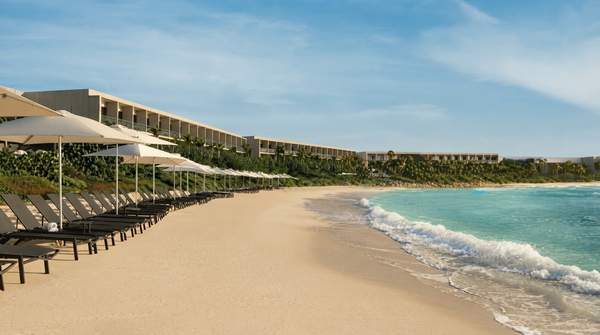
In Punta Cana, a tourist might spend $3,000 on an all-inclusive week without a single dollar directly reaching the local fisherman selling his catch just a mile down the road. This significant sum often flows straight back to foreign-owned corporations, bypassing the very communities that host these lavish properties. Tourists often claim to desire authentic cultural experiences, yet the rising popularity of all-inclusive luxury resorts insulates them from genuine local interaction and economic contribution. This expansion risks transforming unique destinations into generic, economically isolated enclaves, diminishing the very appeal that draws visitors in the first place.
The All-Inclusive Bubble: Convenience at a Cost
Up to 80% of revenue from all-inclusive resorts in some Caribbean nations 'leaks' out of the local economy, returning to foreign-owned corporations, according to the Caribbean Tourism Organization. This substantial leakage prevents tourist dollars from circulating within the host country. Compounding this, a survey of all-inclusive guests revealed that less than 15% ventured outside their resort more than once during a week-long stay, as reported by the Traveler Insights Group. Such insular behavior reveals a profound disconnect between the tourist experience and the surrounding local life.
Local artisans in resort towns report a 40% decline in sales to tourists compared to pre-all-inclusive boom eras, according to the Local Craftsmen Association. Many all-inclusive resorts import food and beverages to maintain consistent brand standards, bypassing local farmers and suppliers, as noted in a Hospitality Supply Chain Report. This dual impact — stifled local commerce and externalized supply chains — means destinations heavily reliant on all-inclusive models risk trading long-term sustainable development for short-term profits that primarily benefit foreign corporations.
Why Travelers Choose the All-Inclusive Path
For families, the fixed cost and predictable budget of an all-inclusive vacation are the primary booking reason for 70% of respondents, according to the Family Travel Survey 2023, offering significant peace of mind. Travelers to regions with perceived safety concerns also choose all-inclusive resorts for the security and controlled environment they offer, a factor noted by the Global Risk Assessment Bureau. Convenience and safety are powerful drivers.