Even a brief period of direct sunlight can irreversibly damage a valuable painting, turning a cherished display into a slow process of decay. Ultraviolet radiation fades, cracks, and degrades a masterpiece's vibrant pigments and delicate materials. Silent deterioration diminishes both aesthetic brilliance and financial worth.
Homeowners aspire to display luxury art collections prominently within opulent interiors. Yet, this very act introduces environmental risks, threatening art's longevity. A fundamental conflict arises between presentation and preservation. Without deep understanding, private home galleries risk compromising their prized possessions' long-term value and integrity. Designing a luxury art gallery demands navigating these tensions.
Subtle fluctuations in temperature and humidity within a luxury home pose a continuous threat. The desire for prominent display often directly compromises an artwork's long-term integrity. It transforms a desired display into a slow process of decay, driven by overlooked environmental factors. This conflict forces homeowners to choose between aesthetics and asset protection. Even benign household conditions, like variations in ambient light or temperature, initiate gradual, irreversible damage.
Consider a valuable canvas on an exterior wall. It may seem secure, but the wall experiences minute temperature shifts. These subtle changes, imperceptible to residents, cause the canvas and paint layers to expand and contract. This leads to cracking and delamination. Such continuous stress reveals how quickly art degrades in seemingly benign home environments, emphasizing the critical need for informed design in private art spaces.
Beyond Display: The Dual Purpose of a Home Gallery
Achieving museum-grade art preservation at home demands treating a luxury residence more like a vault than a vibrant display. Art placement dictates environmental stability over purely aesthetic appeal. A truly luxurious home gallery seamlessly integrates aesthetic presentation with museum-grade conservation, elevating both the art and the living space.
Every design decision, from wall construction to window treatments, must consider its impact on the artwork. Specialized glazing, for instance, blocks harmful UV rays, protecting pigments while allowing natural light. Integration requires a shift in perspective: the collection's long-term health is paramount to its enduring value.
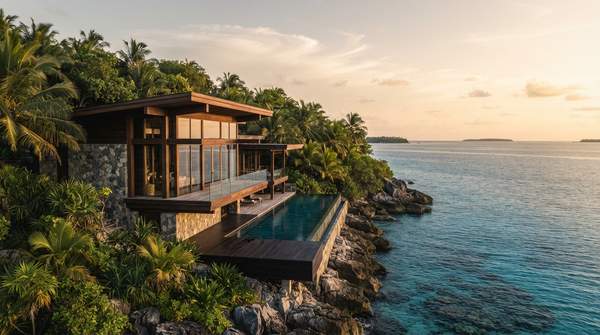
The goal is to create an environment where art thrives for generations, not merely exists as decoration. It involves passive measures and active climate control systems designed for precise conditions. Such planning ensures aesthetic enjoyment does not compromise intrinsic worth or historical longevity.
Curating Your Sanctuary: A Step-by-Step Guide
Successful home gallery creation requires a structured approach, guided by specialists from concept to installation. The first step involves a comprehensive assessment of proposed display areas, considering natural light, wall composition, and environmental fluctuations. A professional art conservator's expertise is crucial to identify hidden risks during this initial phase.
Following assessment, collectors engage architects and interior designers experienced in museum-quality installations. These professionals develop precise environmental controls, including tailored HVAC systems and specific lighting schemes. LED lighting systems, preferred for minimal heat and UV-free spectrum, illuminate artworks without degradation.
Final stages involve careful installation by trained art handlers and ongoing monitoring systems. Systems continuously track temperature and humidity, alerting homeowners to deviations. Engaging these specialized experts ensures the gallery functions as a true sanctuary, safeguarding valuable pieces for future enjoyment.
The Silent Threats: Protecting Your Investment
The recommended environment for artwork is stable temperatures between 18-21°C with relative humidity between 40-60%, according to Graystone Gallery. Deviations cause materials to expand, contract, or become brittle, leading to permanent damage. Homeowners often overlook these precise requirements, inadvertently exposing collections to continuous degradation.
Graystone Gallery's recommendations underscore a critical conflict: preserving valuable art demands meticulous environmental control over aesthetic display. It effectively transforms homes into climate-controlled vaults, not open galleries. Graystone Gallery explicitly states that direct sunlight, even briefly, irreversibly damages art. It fundamentally conflicts with the desire to showcase pieces in desirable, well-lit areas, meaning prominent display often compromises long-term preservation.
Graystone Gallery further advises positioning artwork on interior walls. Exterior walls experience temperature fluctuations, making them unsuitable. Even subtle architectural choices, like hanging art on an exterior wall, lead to continuous, unseen degradation of luxury assets. It demands a re-evaluation of common display practices. Overlooking these factors diminishes both the aesthetic and monetary value of a collection.
Your Questions Answered: Expert Insights for Collectors
What lighting is best for a home art gallery?
While LED lighting systems are preferred for minimal heat and UV output, optimal illumination extends beyond light source selection. Specialized fixtures offer adjustable color temperature and beam angles, allowing precise highlighting without glare or hot spots. Dimmable circuits provide flexibility, adapting to viewing conditions and protecting sensitive works from prolonged intense exposure.
What are the key elements of a luxury home art gallery?
Beyond environmental controls and specialized lighting, a comprehensive luxury art gallery incorporates robust security systems, including motion sensors and reinforced display cases. Dedicated, climate-controlled storage areas are essential for rotating collections or safeguarding pieces not on display. These elements collectively ensure visible presentation and unseen protection of valuable assets.
How to display art effectively in a private gallery?
Effective art display requires more than prominent placement. It involves careful consideration of artwork scale relative to surroundings and appropriate hanging hardware. Adequate negative space around each piece enhances its presence and prevents visual clutter. Museum-grade hanging systems minimize vibration and provide secure, stable support, safeguarding against accidental damage.
By 2026, elite collectors will likely increasingly seek comprehensive advisory services from firms like Graystone Gallery, thereby ensuring their private galleries meet rigorous preservation standards and safeguarding their significant investments and cultural legacies for decades.