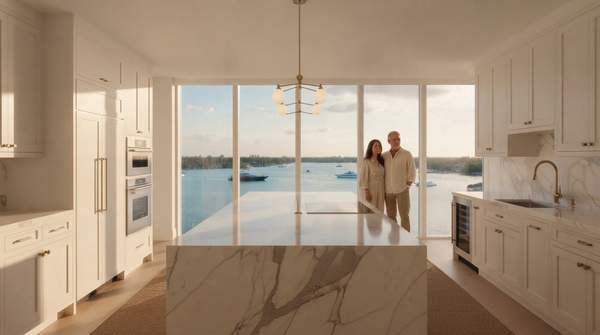
Landscape architect David Pfeiffer advises homeowners to design outdoor spaces with the same meticulous thoughtfulness applied to a new house's floor plan, according to Garden Design. This approach transforms a mere backyard into functional, integrated outdoor rooms, significantly enhancing a property's utility and aesthetic. Most people, however, consider outdoor spaces distinctly separate from their homes, often leading to disjointed designs. Achieving true luxury demands an integrated design that blurs interior and exterior lines, ensuring seamless transitions and consistent comfort across the entire property. Homeowners adopting an interior-design mindset for outdoor areas create more valuable, enjoyable, and integrated living environments. This strategy extends indoor comfort and functionality outwards, making outdoor spaces year-round assets rather than seasonal liabilities. A yard serves as a beautiful home extension when correctly designed, according to Finehomebuilding. Comfort, a priority indoors, must extend outdoors, as noted by A Designer's Guide to Creating Your Dream Outdoor Space. Neglecting this rigor often results in underutilized spaces rather than luxurious extensions.
Integrating Your Space with the Wider World
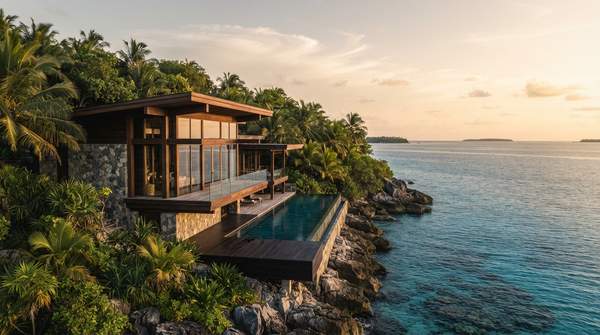
Landscape architect Matthew Cunningham advocates looking beyond immediate property boundaries, observing how a site integrates with its surrounding environment, according to Garden Design. This holistic view encompasses adjacent natural features, neighboring architecture, and regional climate patterns. A truly successful outdoor design harmonizes with its surroundings, creating a cohesive experience. Cunningham's perspective implies that luxurious outdoor spaces demand a holistic view beyond property lines, challenging the common tendency to design in isolation. This ensures the space feels naturally situated and thoughtfully connected to its context.
Overcoming Environmental Challenges
Landscape ecologist Kelley Weston highlights that north- and east-facing outdoor spaces can be unusable in winter and too chilly in summer, as reported by Garden Design. This challenges the assumption that all outdoor areas are inherently comfortable. Ignoring crucial environmental factors like sun exposure and prevailing winds renders many designs impractical and uncomfortable for significant portions of the year. Weston's insights suggest that neglecting microclimatic factors transforms 'luxury' outdoor spaces into seasonal liabilities, delivering comfort only a fraction of the year. Climate-first planning is essential to transform potential dead zones into comfortable, functional living areas year-round.