Just two years after the Indian luxury brand Sabyasachi was acquired for over $100 million, Nigerian designer Abiola Olusola launched her collection at Harrods in September. The launch of Olusola's collection at Harrods marked a seismic shift in global luxury's center of gravity.
Luxury fashion has long been defined by European heritage and design houses. Yet, designers from Africa and Asia now achieve significant global market penetration and financial valuation. They champion their own cultural narratives.
The global luxury market will likely see continued decentralization. Cultural authenticity and diverse geographical origins are becoming increasingly valuable assets for growth and innovation.
What New Markets Are Shaping Luxury Fashion?
Aditya Birla Fashion and Retail Limited (ABFRL) purchased a 51% stake in Sabyasachi for approximately INR 8 billion ($107 million) in 2021, Vogue reported. The brand posted revenues of INR 6.45 billion ($68.2 million) for fiscal 2023, according to Vogue. High jewelry alone accounts for one-third of Sabyasachi's total revenues, Vogue also noted.
These substantial financial valuations and revenue figures confirm luxury from new markets is a major economic force. The $107 million acquisition by an Indian conglomerate, ABFRL, positions non-Western capital to back indigenous heritage. The $107 million acquisition redefines global luxury valuation, moving beyond Eurocentric gatekeepers.
How Are Emerging Designers Changing the Luxury Market?
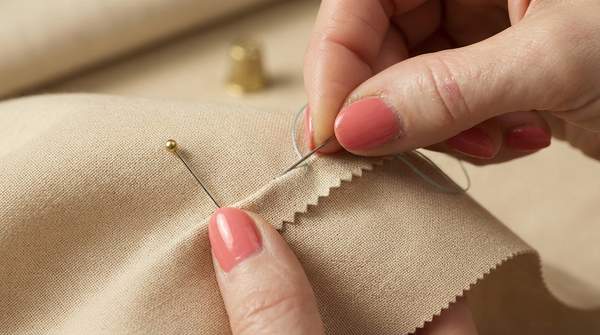
Abiola Olusola collaborated with craftswomen in Abeokuta for her SS20 collection, Nataal reported. They created hand-printed adire fabrics. Her commitment to local heritage and craftsmanship is central to her brand.
Sabyasachi's high jewelry contributes one-third of its revenues. Olusola leverages Abeokuta craftswomen. Sabyasachi's revenues and Olusola's leveraging of craftswomen demonstrate that authentic cultural heritage and indigenous craftsmanship are not merely niche appeals. They are powerful drivers of significant financial success in the global luxury market. Such deep cultural engagement, paired with local craftsmanship, now dictates a rigorous path to market dominance.