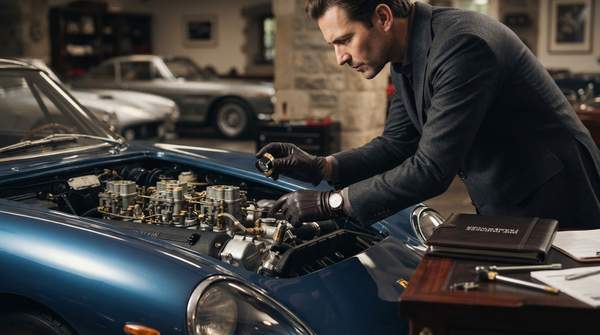
Evaluating a classic car as an investment comes down to four questions asked in order: is the car what it claims to be, is it physically what you hope it is, does the market want it, and can you afford to own it? A due diligence guide published by Butter Classics frames this as four distinct layers—document verification, physical inspection, market analysis, and financial planning—and warns that skipping any one layer exposes a buyer to risks that can wipe out returns before the vehicle is ever driven. This guide walks through each layer with the specifics that turn a vague checklist into a repeatable decision process.
Introduction: The Four Pillars of Classic Car Investment Due Diligence
Classic cars—particularly those with historical significance or limited production—tend to appreciate over time, but their value is influenced by rarity, condition, and market trends that fluctuate, as SmartAsset's investing guide notes. That volatility is precisely why a systematic process matters. Financial advisors writing on collectible cars consistently warn against relying on rarity or brand prestige alone; understanding a vehicle's provenance, restoration history, and price trends is crucial before committing capital. The framework below synthesizes guidance from multiple automotive and financial sources into one structured assessment. It is a synthesis of best practices rather than a single universally adopted standard, and it deliberately stops short of recommending specific makes, models, or purchase tactics—its purpose is to help you judge a car, not to tell you which one to buy.
Layer 1: Verifying Documentation and Provenance
Provenance—a documented history of ownership and maintenance—can significantly enhance a car's desirability and financial value, according to Timeless Investments' guide to classic car investing. The documents that establish it form the first layer of due diligence. Review the title history, registration records, and any import documentation for consistency with the seller's narrative; discrepancies between documents and the story you are being sold warrant specific investigation rather than charitable interpretation, as Limited Spec Automotive's research checklist puts it. Service records and restoration receipts with photographic evidence build the maintenance narrative, while certifications of authenticity anchor the car's identity.
Cross-checking is the operative discipline here. Oldtimer Studio's buying checklist recommends verifying that the VIN on the chassis matches the title and that the engine number matches chassis records where relevant. Wealthspire's Sandy Wiggins, a certified financial planner, adds that fake or poorly restored vehicles can be money pits, and that detailed service records and proper documentation are essential to confirm authenticity and value. A car with a complete, consistent paper file is not automatically a good investment—but a car with gaps in its file starts the evaluation at a deficit that no amount of shine can offset.