Collectibles

How to Invest in Emerging Luxury Collectibles: A Comprehensive Guide

Explore the burgeoning world of emerging luxury collectibles, from rare whiskies to designer handbags, as a sophisticated avenue for portfolio diversification and growth. This guide delves into the top categories, benefits, and risks of investing in tangible assets.

HC
Henry Caldwell

March 31, 2026 · 9 min read

A discerning investor inspecting a collection of luxury items including a rare watch, fine whisky, and designer handbag, symbolizing high-value tangible assets for portfolio diversification.

A meticulously crafted Hermès Birkin bag has reportedly demonstrated an average annual increase in value of 14.2%, a figure that notably outpaces the S&P 500's average annual return of 8%. This single statistic illuminates a sophisticated and burgeoning corner of the financial world, where connoisseurs now invest in emerging luxury collectibles not merely for passion, but for formidable portfolio diversification and growth. As traditional markets exhibit volatility, discerning investors are increasingly turning their attention to tangible assets whose value is dictated by rarity, craftsmanship, and cultural significance. This shift is redefining the very concept of a diversified portfolio, moving beyond stocks and bonds into a realm of tangible beauty and appreciating worth.

The global art and collectibles market represents a staggering $1.7 trillion asset class, according to Nomura, and its allure is expanding. Historically the exclusive domain of the ultra-wealthy, this landscape is undergoing a significant transformation. The advent of specialized digital platforms now permits fractional ownership, democratizing access to assets once reserved for auction-house regulars. This new accessibility, combined with a growing appreciation for alternative investments, makes understanding these markets more critical than ever. For the modern investor, a grasp of the dynamics governing rare spirits, vintage automobiles, and other luxury goods is no longer an esoteric pursuit but a strategic financial imperative.

What Are Emerging Luxury Collectibles?

Emerging luxury collectibles are high-value, tangible items, sought after for their rarity, condition, and cultural resonance, which are acquired with the primary intention of value appreciation. Functioning as alternative investments, these are physical assets whose worth is largely uncorrelated with the fluctuations of traditional financial markets like stocks and bonds. Think of them as the material embodiment of history, artistry, and scarcity. While established categories like fine art and horology have long been pillars of tangible asset investment, emerging classes such as rare whiskies, vintage automobiles, designer handbags, and even high-grade trading cards are now commanding serious attention from the investment community.

An effective analogy is to view the collectibles market as a parallel to the stock market. Blue-chip fine art by masters like Basquiat or Warhol is akin to established large-cap stocks—proven, stable, but with a high barrier to entry. Emerging collectibles, in contrast, are like growth stocks. They may represent a newer market or a resurgent interest in a particular niche, offering the potential for more dramatic returns but also carrying a distinct set of risks. The fundamental principles of valuation, however, remain constant across all categories. According to the financial guide Lympid.io, the long-term value of any collectible is determined by four key pillars:

  • Rarity: The scarcity of an item is paramount. This can be due to a limited production run, the attrition of examples over time, or a unique, singular creation.
  • Condition: The physical state of the collectible is critical. An item in mint or near-mint condition will invariably command a significant premium over one showing wear, damage, or restoration.
  • Provenance: This refers to the object's documented history of ownership. A clear and distinguished provenance—for instance, a classic car previously owned by a celebrity or a piece of jewelry from a notable estate—can exponentially increase its value and desirability.
  • Demand: The current market appetite for a particular item or category. Demand is often influenced by cultural trends, anniversaries, media exposure, and the prevailing tastes of collectors.

What Are the Top Emerging Luxury Collectibles to Invest In?

While the world of collectibles is vast, several specific categories have demonstrated remarkable growth and are attracting significant investor capital. These markets are supported by robust infrastructure, including specialized auction houses, authentication services, and increasingly, fractional ownership platforms that lower the barrier to entry. Understanding the unique dynamics of each is essential for any prospective investor.

Rare Spirits and Fine Wine

The market for investment-grade libations is experiencing a period of extraordinary expansion. Fine wine, in particular, has proven to be a top-performing luxury asset. The Knight Frank 2024 Wealth Report, cited by Forbes, noted a remarkable 146% growth in the asset class over the decade leading up to the end of 2023. Further analysis from MyArtBroker.com projects the wine market could expand to a value of £368 billion by 2028. The investment thesis is straightforward: as fine wine ages, it matures and improves, while the supply simultaneously dwindles as bottles are consumed, creating a powerful dynamic of increasing quality and scarcity. Similarly, rare single-malt Scotch whiskies from "silent stills" (closed distilleries) or limited-edition releases from prestigious Japanese distilleries have become highly sought-after. Platforms like Vinovest have streamlined this process, offering services that include sourcing, authentication, and professional, climate-controlled storage, which is critical for preserving the asset's value.

Vintage Automobiles

The classic car market operates with a unique rhythm, often defining its own trends independent of broader economic climates. According to MyArtBroker.com, this market appreciated by 25% in a recent year, its highest gain in nearly a decade. For investors, the appeal lies in acquiring a piece of automotive history and engineering artistry. Marquee brands like Ferrari, Porsche, and Aston Martin from specific eras are perennial favorites. Value is driven by factors such as originality (matching-numbers engine and chassis), racing pedigree, production numbers, and historical significance. The rise of fractional platforms like Rally now allows investors to purchase equity in iconic vehicles, such as a vintage Ferrari, making it possible to participate in this market without the capital outlay and logistical burdens of sole ownership, such as maintenance and specialized storage.

Designer Handbags and High Jewelry

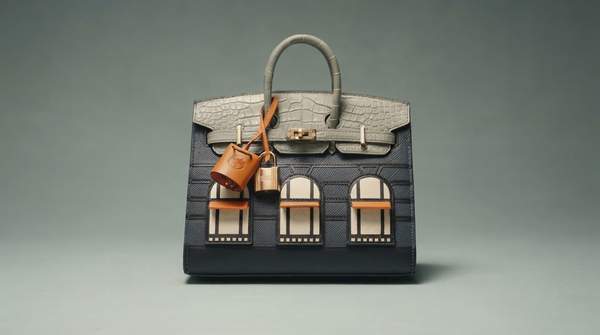
Certain luxury accessories have transcended their utilitarian origins to become bona fide investment-grade assets. The Hermès Birkin bag is the quintessential example. Its value appreciation is underpinned by extreme scarcity—with some reports suggesting only around 12,000 are produced annually—and its status as a Veblen good, where demand increases as the price rises. This has resulted in the aforementioned average annual value increase of 14.2%, as reported by Masterworks Insights. In the realm of high jewelry, pieces from iconic houses like Cartier, Tiffany & Co., and Harry Winston are consistently sought after. Investment-grade jewelry often appreciates due to its intrinsic material value (precious metals and gemstones) combined with the premium associated with brand heritage, design excellence, and, in many cases, a storied provenance.

High-Value Trading Cards and Memorabilia

Once a childhood hobby, the market for sports memorabilia and trading cards has matured into a formidable asset class. Research from Market Decipher, also noted by Forbes, estimates the sports memorabilia market could reach $227.2 billion by 2032. The value of a trading card is determined by the cultural impact of the athlete, the rarity of the card (rookie cards are particularly prized), and its physical condition, which is professionally assessed and graded by third-party services. Similarly, game-worn jerseys, signed equipment, and other historic artifacts command immense prices at auction. This market is a pure play on cultural iconography and nostalgia, where the legacies of sporting legends are translated directly into monetary value.

Understanding the Risks and Benefits of Investing in Luxury Collectibles

Engaging with the luxury collectibles market offers a unique set of advantages, but it is not without significant risks. A balanced and informed approach requires a clear understanding of both sides of the ledger. These are not passive investments; they demand diligence, expertise, and a long-term perspective.

The Benefits of Alternative Asset Allocation

The primary advantage of incorporating collectibles into a portfolio is diversification. Because their value is tied to factors like scarcity and aesthetic taste rather than corporate earnings or interest rates, they often have a low correlation to traditional financial markets. This can provide a crucial buffer during periods of stock market downturns. The potential for substantial returns, as exemplified by the fine wine and Birkin bag markets, is another powerful draw. Finally, there is the inherent "passion" element. Unlike a stock certificate, a collectible is a tangible asset that can be appreciated for its beauty, history, and craftsmanship, providing a psychic dividend beyond its financial worth.

The Inherent Risks and Considerations

Despite the upsides, investors must navigate a complex risk landscape. The most significant challenge is liquidity. Selling a rare automobile or a case of fine wine is a far more protracted process than selling a share of stock. Finding the right buyer at the right price can take time, and auction house commissions or dealer fees can be substantial. The market is also subject to the whims of changing tastes and cultural trends, introducing a level of volatility and uncertainty. Furthermore, the costs of ownership—including specialized storage, insurance, and maintenance—can erode returns over time. The risk of counterfeits is ever-present, making expert authentication and impeccable provenance non-negotiable. Lastly, investors should be aware of the tax implications. As Lympid.io points out, collectibles can be subject to higher capital gains tax rates than many other forms of investment, a factor that must be considered in any financial planning.

Why Investing in Emerging Collectibles Matters

The growing interest in luxury collectibles signals a broader evolution in investment philosophy. It reflects a desire for assets that are not only financially rewarding but also culturally and historically resonant. For the sophisticated investor, these tangible assets offer a compelling narrative, connecting them to a legacy of craftsmanship, innovation, and human achievement. The democratization of these markets through fractional ownership is a pivotal development, empowering a wider audience to participate in asset classes that were once untouchable.

Ultimately, engaging with this market is about more than just financial speculation; it is an exercise in connoisseurship and foresight. It requires an appreciation for the nuanced factors that create enduring value—the perfect vintage, the flawless design, the iconic history. As wealth management strategies become increasingly personalized and holistic, understanding how to navigate the world of emerging luxury collectibles is becoming an indispensable skill for building a truly diversified and resilient portfolio for the future.

Frequently Asked Questions

What is the best luxury collectible to invest in for a beginner?

There is no single "best" collectible for a novice investor, as the ideal choice depends on personal interest, budget, and risk tolerance. However, categories with established markets and lower entry points, such as fine wine or fractional shares in blue-chip art, can be more accessible. These markets benefit from extensive historical data and a robust infrastructure of experts and platforms, which can help guide a beginner's investment decisions.

How do I verify the authenticity of a luxury collectible?

Authentication is a critical step that should never be overlooked. The process varies by asset class. For trading cards, third-party grading services like PSA are the industry standard. For fine art and antiques, a comprehensive provenance and expert appraisal are essential. With wine and spirits, purchasing from reputable merchants or platforms that guarantee authenticity is key. Always insist on detailed documentation and, when in doubt, consult an independent expert in the specific field.

Are luxury collectibles a good hedge against inflation?

Tangible assets like luxury collectibles can be an effective hedge against inflation. Their value is intrinsic to the object itself—its rarity, condition, and desirability—rather than being tied to a specific currency. During periods when currency values are declining, the prices of these hard assets often rise. However, this is not guaranteed, and performance can vary significantly between different types of collectibles. It should be considered one component of a broader inflation-hedging strategy.

What are the tax implications of investing in collectibles?

The tax treatment of collectibles is an important financial consideration. According to reports from platforms like Lympid.io, profits from the sale of collectibles are often subject to a higher capital gains tax rate than long-term investments in stocks or bonds in many jurisdictions. The specific rates and regulations can be complex and vary by location. It is crucial to consult with a qualified tax advisor to understand the implications for your personal financial situation before investing.

The Bottom Line

Investing in emerging luxury collectibles presents a sophisticated opportunity to diversify a portfolio and achieve potentially significant returns. This asset class, however, demands rigorous due diligence, a deep understanding of the specific market's nuances, and a clear-eyed assessment of the inherent risks, from liquidity to authenticity. For those willing to cultivate the necessary expertise, these tangible assets offer a unique fusion of passion and financial strategy, securing a piece of cultural history while building a resilient financial future.