What is Establishing Provenance for Art and Collectibles in 2026?

Some experts estimate that up to 50% of artworks currently in circulation could be fraudulent, according to Hephaestus Analytical .

HC
Henry Caldwell

April 19, 2026 · 4 min read

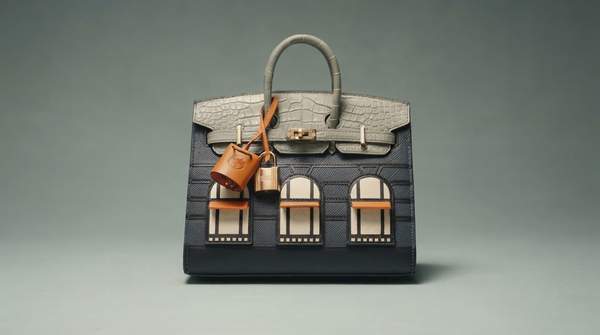
A cinematic scene in a 2026 art auction house, with a spotlight on a painting and a magnifying glass over a fragmented document, representing the challenge of art provenance.

Some experts estimate that up to 50% of artworks currently in circulation could be fraudulent, according to Hephaestus Analytical. Pervasive deception erodes trust, devalues legitimate pieces, and leaves collectors vulnerable to significant financial losses. The sheer scale of potential fraud confirms a profound crisis of authenticity, especially when establishing provenance for fine art and rare collectibles in 2026.

Provenance is the bedrock of art authenticity, but traditional methods are failing to prevent widespread fraud, leaving a significant portion of the market vulnerable. Forged or misrepresented works are often sold with fake or questionable provenance, particularly at online auctions, as noted by Artbusiness. The very standards meant to ensure valid provenance are thus easily circumvented.

The art market is at a critical juncture where embracing technological solutions for provenance verification will become essential for maintaining trust and value, or risk further erosion by sophisticated forgeries. The reliance on easily manipulated paper trails no longer suffices against the evolving tactics of fraudsters.

What is Provenance, and Why Does it Matter?

Provenance is the history of ownership of an artwork or object, which researchers investigate to establish its identity, authenticity, and pedigree, according to Smarthistory. The historical record meticulously traces an item's journey from creation to its current owner, providing a verifiable biography. Provenance researchers investigate how objects move, change hands, and change ownership.

A valid provenance must specifically describe the piece of art being offered for sale, including its dimensions, medium, date of creation, and title, Artbusiness states. This detailed description ensures that the documented history corresponds precisely to the physical object. Without robust provenance, an artwork's intrinsic value is inherently diminished, regardless of its artistic merit.
The Cracks in the System: How Traditional Provenance Fails

Wolfgang Beltracchi defrauded the art market of over $100 million by creating and selling fake paintings, according to Hephaestus Analytical. His success in fabricating entire histories for his forgeries exemplifies how sophisticated fraudsters exploit reliance on paper trails. Based on Hephaestus's pivotal role in unmasking Beltracchi by identifying the anachronistic use of Titanium White, the art market's future authenticity hinges not on paper trails, but on forensic science capable of revealing an artwork's true material history.

The Beltracchi case exposed the inherent limitations of traditional provenance, where even initial documentation can be compromised. Photocopies of documents are not valid provenance unless the originals can be accessed and inspected firsthand, Artbusiness reports. This standard, designed to ensure validity, is easily circumvented in practice, rendering traditional documentation an insufficient safeguard against fraud. The widespread estimate of up to 50% fraudulent artworks confirms that traditional provenance is not merely insufficient; it actively enables a crisis of trust.

The Digital Revolution: Blockchain and Beyond

Maecenas used blockchain technology to offer fractional ownership of Andy Warhol's 1980 artwork, '14 Small Electric Chairs', according to MyArtBroker. The application proves blockchain's capacity to provide transparent, unalterable ownership records. Blockchain technology is reshaping how art is authenticated, owned, and traded, offering enhanced transparency and democratizing art ownership, MyArtBroker states. The technology directly counters the vulnerabilities of traditional provenance, which is easily faked or questioned.

Emerging technologies like blockchain and advanced scientific analysis, such as those offered by Hephaestus Analytical, are providing unprecedented levels of transparency and security. Innovations fundamentally reshape how art is verified and owned, moving beyond fallible paper trails. Such systems offer a robust solution to rebuild trust in a market plagued by widespread fraud, securing value and investor confidence.

Protecting Your Investment: The Collector's Role

Artists should establish themselves as the first link in the provenance chain by keeping good records and providing documentation with every artwork, Artbusiness.com advises. The proactive measure ensures a verifiable starting point for an artwork's history. Diligent record-keeping by creators forms a crucial foundation for future authentication efforts.

Both creators and collectors must actively participate in building robust provenance records to safeguard the value and authenticity of art in a market increasingly susceptible to deception. Collectors should demand comprehensive documentation and consider independent verification services. This dual responsibility helps mitigate risks associated with fraudulent pieces.

Resources for Provenance Research

How is provenance verified for antiques?

Verifying provenance for antiques often involves extensive archival research and expert examination. The Archives of American Art holds the largest collection of art gallery records globally, with nearly 200 individual archival collections, according to the Archives of American Art. Researchers consult these historical documents, sales records, and exhibition catalogs to trace an antique's ownership history. The sheer volume and disparate nature of these records, however, make traditional research arduous and prone to oversight.

The Future of Authenticity

The future of art authenticity hinges on a hybrid approach, combining rigorous traditional research with the immutable transparency offered by digital innovations to restore trust in the market. Advanced forensic science, capable of revealing an artwork's true material history, will become as critical as historical documents. This dual methodology addresses both the physical and historical integrity of art.

By 2026, the continued integration of forensic science and blockchain solutions, spearheaded by entities like Hephaestus Analytical, will be essential for validating the authenticity of high-value collectibles. This strategic adoption will create a more secure and transparent market environment, protecting collectors and preserving the integrity of artistic heritage.