Luxury conglomerate Kering has launched its new Kering Creative Residency for Artisanship, Fashion and Technology (CRAFT) program, announcing the ten Chinese designers selected for its inaugural cohort.
Kering's initiative establishes a formal platform for mentorship and international exposure, creating a direct conduit between emerging Chinese creatives and the established European fashion ecosystem. This strategic investment in China aims to foster a new generation of Chinese designers, integrating their unique perspectives and artisanal skills into the global luxury conversation, and cultivating China as a burgeoning hub of creative talent beyond its role as a principal consumer market.
What We Know So Far
- Kering has officially launched the Creative Residency for Artisanship, Fashion and Technology (CRAFT), an initiative designed to support emerging Chinese designers.
- The program’s inaugural class consists of ten designers specializing in fashion and jewelry, selected from a pool of over one hundred applicants, according to a statement from FashionNetwork.com.
- Developed in partnership with Shanghai Fashion Week, the residency will commence in May with an immersive international journey that includes stops in Milan, Paris, and Shanghai.
- A distinguished 12-member advisory board will guide the program, headlined by Gucci's artistic director Demna and renowned Chinese couturier Guo Pei.
- Participants will engage in a curriculum that combines hands-on learning, expert mentorship in areas like business development, and extensive cultural exchange, as reported by WWD.
- Upon completion of the residency, the fellows are expected to present a final creative project during Shanghai Fashion Week in 2027.
What is the Kering CRAFT Program?
Unveiled last November by Kering Chief Executive Officer Luca de Meo, the Kering CRAFT program—Creative Residency for Artisanship, Fashion and Technology—is a comprehensive residency. It accelerates China's most promising fashion and jewelry talents by building a bridge between rich Chinese craftsmanship and global luxury infrastructure, underscoring its three core pillars: celebrating traditional skills, advancing contemporary design, and embracing technological innovation.
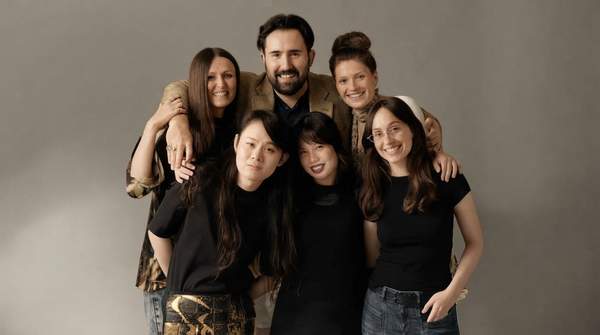
A rigorous selection process, involving a committee of experts, evaluated over 100 applications for the inaugural cohort. Criteria included creativity, artisanal excellence, growth prospects, and embodiment of future luxury trends. Cai Jinqing, President of Kering Greater China, praised the chosen ten in a release covered by The Impression, stating, "Their creative passion, distinct perspectives, outstanding abilities and exceptional potential embody China’s new generation of creators."
The ten selected fellows represent a diverse cross-section of contemporary Chinese design. The cohort includes seven fashion designers—Cai Jiaen, Hu Nan, Qi Yueqi, Wang Fengchen, Wei Donghui, Zia Rong, and Zhong Zixin—and three jewelers: Longhong Ziwei of Soft Mountains, Xu Hao of qiqi, and Yu Gengyi of Midnight Opera House. According to a report from JCK, many of these designers bring a modern sensibility to traditional techniques. Longhong Ziwei, for instance, founded her brand in 2018 and is known for utilizing rare Chinese practices, such as working with hollowed-out silver beads. Xu Hao, who cofounded qiqi in 2021, creates modern jewelry rooted in Eastern philosophy. This blend of heritage and modernity appears to be a key theme among the selected talents, many of whom are graduates of prestigious European institutions like Central Saint Martins and the Royal College of Art.
A 12-member international advisory board from fashion and creative industries guides the participants, including Demna, a driving force in global fashion, and Guo Pei, a master of Chinese couture. Demna expressed his enthusiasm, noting, "The creativity, innovation, and technical know-how in China are something I have always been fascinated by. I am excited to support the next generation of Chinese creatives and see how they will help shape the future of fashion."
Kering's Strategic Focus on the Chinese Market
The launch of the CRAFT program represents a sophisticated evolution in Kering's long-term strategy for the Chinese market. For decades, global luxury groups have viewed China primarily through the lens of consumption—a vast and vital audience for European brands. This initiative marks a deliberate pivot, repositioning the country as a source of creative inspiration and design talent worthy of significant investment. By actively nurturing emerging designers, Kering is embedding itself more deeply within the local cultural fabric, fostering goodwill and cultivating relationships that extend beyond the retail floor.
Positioned to foster "deeper exchange between China and international fashion ecosystems," the program is a strategic move to enrich Kering's creative universe. By supporting designers reinterpreting Chinese heritage for a modern audience, Kering gains access to fresh narratives and aesthetics, vital for a global luxury industry thriving on newness and authenticity. The focus on craftsmanship aligns with the core values of haute couture and luxury goods, connecting emerging Chinese brands with Kering’s established houses.
Acknowledging Chinese designers are increasingly setting trends and commanding international attention, Kering's initiative supports those, like CRAFT participants, who have trained at top-tier Western universities while retaining cultural roots. The program provides crucial institutional support, business mentorship, and supply chain access to scale promising brands into sustainable businesses, building infrastructure for a more robust and globally integrated Chinese fashion industry.
The initiative serves as a commitment to the Chinese market during global economic uncertainty, demonstrating belief in the region's creative economy and its importance to luxury's future. This approach balances commercial interests with cultural investment, allowing Kering to act as a patron and partner, building a resilient, collaborative relationship with a key market maturing from a consumer to a creator.
What Happens Next
The Kering CRAFT program officially commences in May for the ten selected designers, who will embark on an international journey beginning in Italy. This first phase immerses them in European luxury production and design, followed by modules in Paris and Shanghai, providing a comprehensive, cross-cultural education in the business of fashion.
The residency is structured as a long-term engagement, with a clear objective on the horizon. Kering has confirmed that the program will culminate in the fellows presenting a final creative project at Shanghai Fashion Week in 2027. This timeline provides a substantial runway for development, allowing the designers to absorb the lessons from their mentorship and apply them to a significant body of work. The showcase will serve as a critical platform, offering major visibility and a formal introduction to the international fashion press and buyers.
Beyond this defined timeline, the launch of the CRAFT program raises several important questions about the future. The success of this inaugural cohort could establish a new model for how luxury conglomerates engage with emerging talent in key international markets. It remains to be seen how the creative exchange will manifest in tangible collaborations or influence the aesthetic direction of Kering's own brands. The long-term impact will be measured not only by the commercial success of the ten participating designers but also by the program's ability to foster a more dynamic and interconnected global fashion community.


