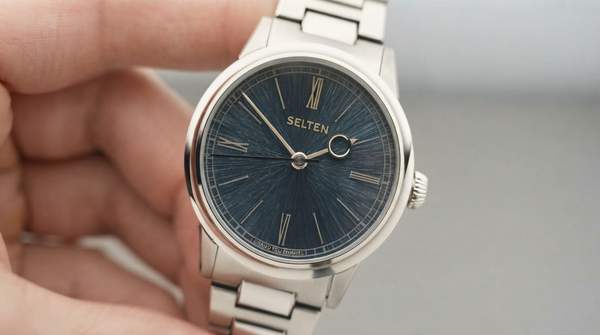
AET REMOULD unveiled its LOONG watch, a horological masterpiece intricately adorned with emerald-encrusted jewelry elements. AET REMOULD's LOONG watch blurred the lines between traditional timekeeping and haute joaillerie, demonstrating a deliberate move to integrate the intricate artistry of fine jewelry design with precision watchmaking. Such creations set a new precedent for luxury accessories, emphasizing personalization and innovative material integration.
However, fine jewelry design is often seen as an exclusive, complex craft. The bespoke process, conversely, is becoming more transparent and accessible, allowing for direct client involvement without additional charges. The tension between perceived exclusivity and actual accessibility forms the engine of the evolving luxury market, challenging long-held assumptions about high-end craftsmanship.
As bespoke services become more transparent and integrated with innovative design, the market for personalized, high-craftsmanship jewelry is likely to expand. The expansion of the market for personalized, high-craftsmanship jewelry shifts consumer expectations towards unique co-creation rather than off-the-shelf luxury, empowering discerning clients to participate directly in creating pieces that reflect their individual narratives and aesthetic preferences.
Beyond the Bling: What Bespoke Really Means
AET REMOULD has consistently blended precision watchmaking with fine jewelry design, developing a distinctive philosophy characterized by bold, innovative approaches. The integration of precision watchmaking with fine jewelry design moves beyond simple customization, creating pieces that are unique artistic statements. The brand's collection, for example, featured colorful gemstones, further merging the categories of fine jewelry and horology, according to Haute Living. Such designs are not merely modified existing items; they are conceptualized and executed from inception to embody a client's vision.
The essence of bespoke craftsmanship lies in this unique artistic vision and the advanced techniques employed to elevate the final piece into a work of art. AET REMOULD, for instance, employs a seamless setting technique in jewelry design. This method minimizes metal visibility, allowing gemstones to appear almost suspended, which emphasizes their natural brilliance and color, as reported by Haute Living. The meticulous approach ensures that each bespoke piece tells a story, not only through its design but also through its construction, making it distinct from mass-produced luxury items.
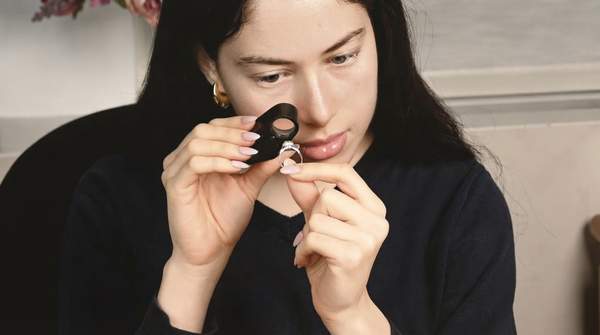
Bespoke design, therefore, is a deeper engagement with the client's narrative and an artisan's skill. It translates abstract ideas into tangible forms, where every curve, facet, and setting is carefully considered to achieve a singular aesthetic and emotional impact. The process involves a collaborative journey, ensuring the final creation resonates profoundly with its owner, reflecting a personal expression that generic jewelry cannot replicate.
Your Journey to a Unique Creation
Commissioning a bespoke piece of fine jewelry initiates with an in-depth consultation. Clients articulate their desires, inspirations, and practical requirements. This initial dialogue is crucial for the designer to grasp the client's vision, considering factors such as lifestyle, personal style, and the occasion for the piece. The objective is to translate abstract concepts into a concrete design brief, laying the groundwork for the creative process.
A significant aspect of this personalized service is financial transparency. There is typically no additional charge for the bespoke service itself, a fact that often surprises clients accustomed to premium pricing for custom luxury items. The approach of no additional charge for bespoke service signals a shift in the luxury market, where value increasingly stems from direct client involvement and the unique narrative of a piece, rather than solely from the exclusivity of the design process. The lack of an extra fee dismantles a common barrier, making high-level design more accessible.
Once the design concept is refined and approved by the client, a non-refundable deposit, usually 50% of the total cost, is taken before physical creation begins. This deposit secures the artisan's time and resources, committing both parties to the agreed-upon design and ensuring the project moves forward with mutual understanding. The client's active participation in this design approval phase is paramount, empowering them to shape their unique creation at a critical juncture before the intricate craftsmanship commences.
Navigating the Creative Process
The prevailing perception often frames fine jewelry design as an exclusive and inherently complex craft, creating an impression that only those with specialized knowledge can truly engage with the process. The perception, however, frequently conflicts with the reality that bespoke services are increasingly offered without additional charge, making the entire journey accessible to anyone with guidance. The actual challenge often lies not in mastering technical minutiae, but in effectively translating abstract ideas and personal stories into tangible, wearable art.
Clients embarking on a bespoke journey may encounter pitfalls related to articulating their vision or managing expectations about the design's evolution. A designer's role extends beyond technical expertise; it involves interpreting nuanced preferences and guiding clients through aesthetic choices, as detailed in approaches to commissioning bespoke jewelry. The process demands clear and consistent communication to bridge the gap between a client's internal concept and the physical manifestation of the jewelry, ensuring that the final piece accurately reflects their initial inspiration.
Overcoming these communication hurdles is paramount. The true artistry of bespoke jewelry emerges from effective collaboration, translating abstract ideas and personal stories into tangible designs. The iterative process, involving revisions and refinements, ensures the client's personal narrative is not just preserved, but enhanced, resulting in a piece of profound significance.
Empowering Your Inner Designer
Prospective clients seeking unique jewelry can actively participate in the design process, even without prior technical expertise. Reputable designers guide clients through each phase of the custom jewelry design process, from initial concept to final production, as outlined by Gabriel Fine Jewelers. The guidance from reputable designers is crucial, transforming what might seem like a daunting task into an accessible and rewarding creative endeavor.
To effectively collaborate, clients should gather visual references that inspire them, such as images of existing jewelry, art, or even architectural elements that reflect their aesthetic. Communicating preferences regarding metals, gemstones, and overall style in detail enables the designer to create initial sketches or 3D renderings that closely align with the client’s vision. The preparatory work streamlines the design process, ensuring that the conceptualization phase is productive and aligned with expectations.
Clients need not be experts to participate in bespoke design. The process thrives on collaboration with skilled artisans who guide their vision. The designer acts as a facilitator, translating ideas into technical specifications and ensuring design integrity. Embracing this partnership allows clients to confidently contribute to creating a piece that is not only beautiful but deeply personal, reflecting their unique identity.
Common Questions About Craftsmanship
How is fine jewelry handcrafted?
Fine jewelry is handcrafted using several intricate methods. Die-striking involves shaping solid metal with a mold under tremendous pressure, which increases the metal's density and strength, according to The Plumb Club. Another technique, electroforming, deposits precious metal alloy particles onto a model, creating a hollow yet strong shell, as also detailed by The Plumb Club. Casting, specifically lost-wax casting, is a common method where molten metal is poured into a mold created from a wax model, producing complex shapes and intricate details. The diverse methods of die-striking, electroforming, and lost-wax casting underscore the blend of traditional artistry and advanced engineering required to achieve the durability and intricate aesthetics characteristic of high-end jewelry.
What is the difference between custom and bespoke jewelry?
Custom jewelry typically involves modifying an existing design or selecting pre-designed components to create a personalized piece. This often means choosing different stones or metals for a standard setting. Bespoke jewelry, conversely, is an entirely unique creation, designed from scratch specifically for the client without reference to existing templates. The bespoke process emphasizes client co-creation and a unique artistic vision, resulting in a piece that is one-of-a-kind in concept and execution.
The Future is Personal
The bespoke fine jewelry market is poised for significant expansion, driven by a profound shift towards meaningful luxury. The evolution of the bespoke fine jewelry market, championed by brands like AET REMOULD, demonstrates that empowering client co-creation, rather than maintaining exclusivity, is the new frontier for capturing discerning consumers. The blurring of lines between haute horlogerie and fine jewelry, exemplified by creations like AET REMOULD's LOONG watch, signals a redefinition.nition of luxury itself: one where personal expression and innovative hybrid designs are valued above traditional category distinctions.
The bespoke fine jewelry market, driven by innovators like AET REMOULD, will likely see a significant expansion in client engagement, as consumers increasingly seek personalized pieces that reflect individual narratives over mass-produced luxury.