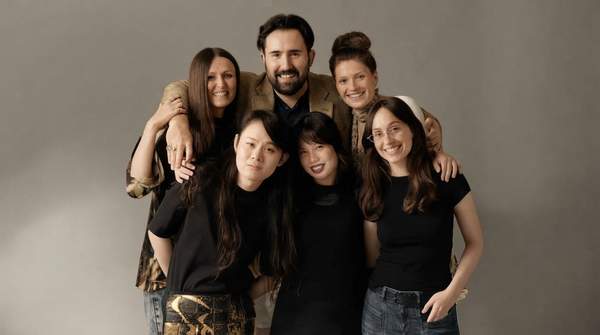
Former Maison Margiela designer John Galliano has entered a two-year partnership with fast fashion retailer Zara, a collaboration that will see the celebrated couturier reinterpret the brand’s extensive archives. The announcement arrives as other major designers and stylists forge similar alliances with mass-market brands, signaling a potential redefinition of accessibility and aspiration within the luxury fashion sector.
This partnership emerges amidst a dynamic period for the industry. The move coincides with reports of a 'macro softness period' in the traditional luxury market, according to Retail Brew, prompting a re-evaluation of how high fashion engages with a broader consumer base. As brands navigate this shifting terrain, the line between haute couture and high-street retail continues to blur, with Galliano’s latest venture representing one of the most prominent examples of this trend to date.
What We Know So Far
- John Galliano’s partnership with Zara is a two-year agreement focused on reinterpreting the retailer's archives, according to Lifestyle Asia.
- The designer officially departed from his role at Maison Margiela in 2024, as reported by the same publication.
- Zara also recently announced a collaboration with American designer Willy Chavarria, who is known for his political commentary and distinctive boxy silhouettes.
- Separately, Stella McCartney has reportedly collaborated with global fashion brand H&M on a new collection designed to reach a younger, wider audience.
- Fast fashion company SHEIN has also entered this space, releasing a curated collection for the Spring and Summer 2026 season with celebrity stylist Scot Louie, per a report from Trend Hunter.
The Evolving Definition of Luxury: What Does it Mean for Fashion?
The recent wave of high-profile collaborations between esteemed designers and mass-market retailers reflects a significant recalibration within the fashion industry. This strategic convergence occurs as the luxury sector navigates what some analysts describe as a "macro softness period," leading to a "merging" of value-oriented items within traditional luxury offerings. These partnerships provide a new avenue for growth and relevance, altering long-held perceptions of exclusivity.
For consumers, these alliances offer an accessible entry point into a designer's world. Such high-low collaborations effectively sell the fantasy that one can acquire a piece of a celebrated creative vision without the prohibitive price tag typically associated with couture. This approach democratizes high fashion, making designer aesthetics available to a global audience. The commercial incentives are substantial; partnering with high-profile designers can reportedly increase revenues for fast fashion brands by as much as 30% annually. For instance, Uniqlo's parent company, Fast Retailing, is expected to see profits exceed 610 billion yen (approximately $3.84 billion) this year, a success attributed in part to its ongoing designer collaborations.
From the designer's perspective, these ventures offer considerable advantages beyond the traditional boutique model. According to Retail Brew, such partnerships provide "unparalleled reach and leverage" without the constraints of a conventional luxury house. This allows designers to connect with a new generation of consumers and experiment with different production scales, influencing fashion on a much broader level. This shift is part of a larger trend in the luxury e-commerce evolution, where direct-to-consumer engagement is becoming increasingly vital.
How Designer Resurgences Reflect Changing Consumer Values
The return of prominent designers through unconventional channels highlights a broader shift in industry dynamics and consumer expectations. The case of Christopher Kane offers a compelling parallel. After shuttering his eponymous label in 2023, the designer and his sister, Tammy Kane, are now taking the creative helm at the British heritage brand Mulberry, according to a report from Harper's Bazaar. Kane, whose work was once praised by Miuccia Prada, built a reputation on challenging established taste hierarchies by elevating materials and concepts often considered strange or synthetic.
These new roles suggest that talent and vision are increasingly seen as portable assets, capable of revitalizing established brands or reaching new markets through fast fashion platforms. Each collaboration appears to carry a distinct strategic intent. Stella McCartney, for example, described her H&M collection as an effort to "'infiltrate' fast fashion from within," as reported by Pedestrian.tv, suggesting a mission to influence mass-market practices. Meanwhile, Willy Chavarria's work with Zara brings his deeply personal and political narratives, often centered on immigrant and queer communities, to a worldwide commercial stage.
This trend also extends beyond established designers to influential stylists. The SHEIN partnership with Scot Louie combines the retailer's trend-responsive model with Louie's expertise in identifying emerging digital and cultural movements. The resulting collection is organized into distinct categories like Mermaidcore and Quiet Luxe, marketed through a virtual styling series across platforms such as TikTok and Instagram. This model underscores a new era where cultural curation and digital presence are as valuable as traditional design prowess.
What Happens Next
The industry is absorbing news of John Galliano’s partnership with Zara, yet specific details on the collection's aesthetic, release dates, and pricing structure remain undisclosed. The fashion world will now observe how Galliano’s famously theatrical, historically rich design language translates for Zara’s global consumer base.
London Fashion Week in September will host Christopher Kane’s debut ready-to-wear show for Mulberry, offering the first tangible look at his vision for the heritage brand. The event will indicate how his unique creative sensibility merges with Mulberry’s established identity.
The long-term impact of these high-low collaborations on brand equity for designers and retailers is yet unknown. The success of these ventures will determine if this trend is a fleeting market strategy or a permanent redefinition of how luxury and mass-market fashion coexist and interact.